ALL PUBLICATIONS

Articles

603 published analyses, newest first.

Tracing China’s Strategic Approach in the Indo-Pacific Region
COMMENTARIESJUNE 26, 2024
73

Tracing China’s Strategic Approach in the Indo-Pacific Region

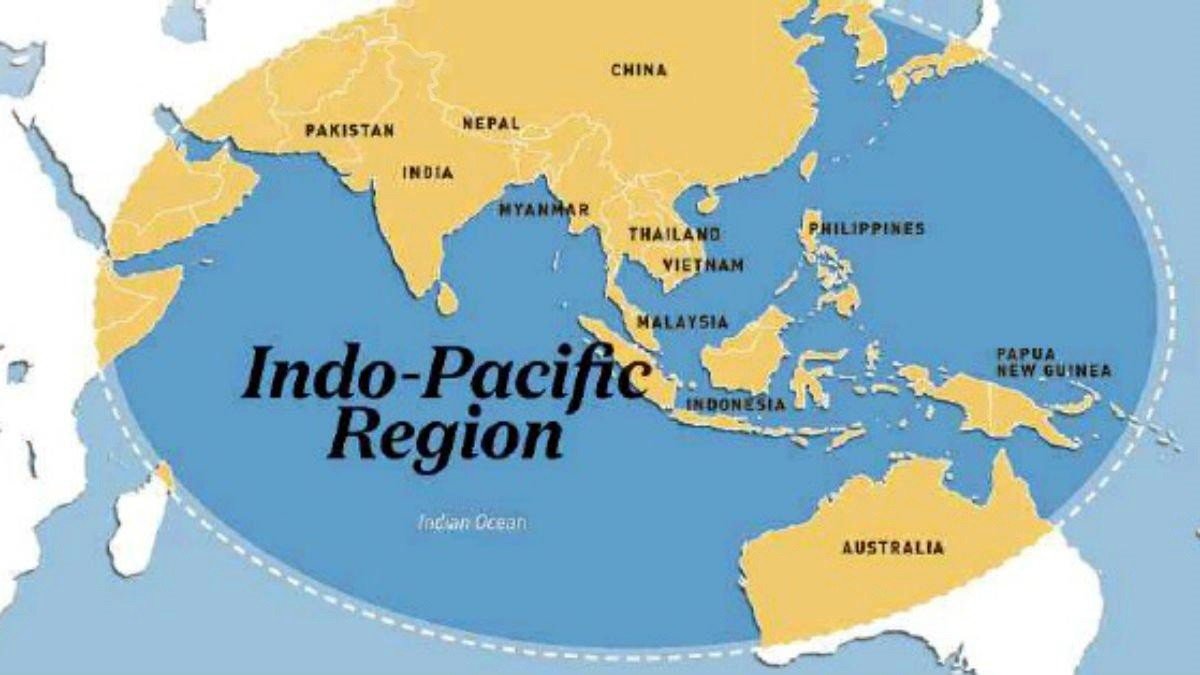
Introduction China’s strategic approach in the Indo-Pacific region has become a focal point of international discourse, reflecting its ambitions to reshape regional dynamics and expand its influence. This expansive area, from the eastern coast of Africa to the western shores of the Americas, is crucial for global trade, security, and geopolitical stability. In recent decades, China has employed a multifaceted strategy, including economic initiatives, military modernization, and diplomatic engagements, to secure its national interests and assert its presence. Understanding China’s manoeuvres in the Indo-Pacific is essential for grasping the evolving geopolitical landscape and anticipating future developments in this pivotal region geopolitical landscape and anticipating future developments in this pivotal region. The Indo-Pacific’s busy sea lanes are essential for international trade and energy transport. Through the Belt and Road Initiative (BRI), China aims to extend its economic reach across Asia, Africa, and Europe. Its assertive actions in the South China Sea, aimed at controlling vital maritime routes and asserting sovereignty claims, have raised regional tensions. Furthermore, military modernization is a cornerstone of China’s strategy. The People’s Liberation Army (PLA) has significantly enhanced its capabilities for power projection and modern warfare, expanding its navy, developing advanced missile systems, and establishing overseas military bases. This buildup has heightened regional tensions and prompted other countries to bolster their defences. Diplomatically, China seeks to build influence through multilateral institutions and bilateral relationships, leveraging platforms like the Shanghai Cooperation Organization and the Asian Infrastructure Investment Bank. It also forms strategic partnerships and alliances to counterbalance rival influences, particularly those of the United States and its allies. China’s approach is characterized by a nuanced blend of cooperation and competition. While fostering economic ties and regional stability through trade, investment, and development projects, China simultaneously engages in strategic competition with other major powers. The United States, with its Indo-Pacific Strategy, aims to counterbalance China’s rise and maintain a free and open Indo-Pacific, resulting in a complex interplay of cooperation and rivalry. Other regional players, including Japan, India, and Australia, also play crucial roles in shaping the strategic environment through their policies and alliances. The evolving dynamics of the Indo-Pacific present both opportunities and challenges for China. On one hand, the region offers vast economic potential and strategic advantages for expanding China’s influence. On the other hand, the assertive pursuit of its interests often leads to friction with other countries, necessitating careful navigation of diplomatic and security challenges. The interplay of economic initiatives, military strategies, and diplomatic engagements underscores the multifaceted nature of China’s approach, reflecting its aspirations and the complexities of achieving them in a highly interconnected and competitive region. As the Indo-Pacific continues to be a focal point of international politics and economics, understanding China’s approach is essential for anticipating future developments and navigating the complexities of regional dynamics. The strategic choices made by China and its counterparts will have far-reaching implications for the stability, prosperity, and security of the Indo-Pacific and beyond. Analysing China’s manoeuvres in this region not only sheds light on its current strategies but also provides insights into the broader trends shaping the global geopolitical landscape. Historical Context and Strategic Foundations China has shown a strong interest in the Indo-Pacific Region by establishing connections through shipping lanes such as the Maritime Silk Road, which linked China with Southeast Asia, South Asia and other regions. Currently, China is focused on securing shipping lanes to avert the situations like Malacca dilemma, gaining access to resources and increasing its influence in the area. The so-called “String of Pearls” theory refers to China’s plan to construct a network of ports and military bases in the Indian Ocean. This initiative aims to safeguard China’s trade routes and ensure access to energy resources. The ports involved in this strategy are located in countries such as Pakistan (Gwadar), Sri Lanka (Hambantota), and Myanmar (Kyaukpyu), underscoring China’s significant investment in vital infrastructure across the Indo-Pacific region. Economic Strategy: The Belt and Road Initiative China’s Indo-Pacific strategy centres around the Belt and Road Initiative (BRI), which was launched in 2013 by President Xi Jinping. The main goal of the BRI is to enhance connections and cooperation between Asia, Africa, and Europe through a vast network of infrastructure projects. The maritime aspect of the BRI, known as the 21st Century Maritime Silk Road, aims to develop ports, shipping routes, and trade centres across the Indo-Pacific Region. China is making significant investments in constructing ports and roads in countries such as Pakistan, Sri Lanka, and Malaysia. These investments typically involve loans and financial assistance, leading these nations to become more dependent on China. This helps China to expand its influence. For example, the Gwadar Port in Pakistan provides China with a strategic location near the Persian Gulf, enabling China to access crucial sources of energy and expand the reach of its navy. The BRI has received negative responses as well. Some countries are concerned about accumulating too much debt, causing harm to the environment and being secretive about their agreements. For example, when Sri Lanka was unable to manage its debts to China, it had to lease a port to a Chinese organization for an extended 99-year period. This has sparked discussions about the dangers of depending heavily on China for financial support. Military Strategy: Strengthening Naval Presence China is prioritizing the enhancement of its navy and expanding its influence in key maritime regions in the Indo-Pacific area. The Chinese navy has undergone significant upgrades and is now capable of operating far beyond China’s coastlines, rather than solely focusing on defending its shores. In 2017, China established its first overseas military base in Djibouti, which was a significant milestone in its military strategy. Positioned at the strategic crossroads of the Red Sea and the Gulf of Aden, this base improves China’s capacity to carry out anti-piracy operations, safeguard its maritime interests, and provide assistance for its peacekeeping missions in Africa. In the South China Sea, China has been building artificial islands and installing military facilities on disputed territories. These actions have increased tensions
TR
Team Red Lantern AnalyticaAnalyst
arrow_outward
The South China Sea: A Brewing Cauldron of Geopolitical Tensions
COMMENTARIESJUNE 26, 2024
74

The South China Sea: A Brewing Cauldron of Geopolitical Tensions

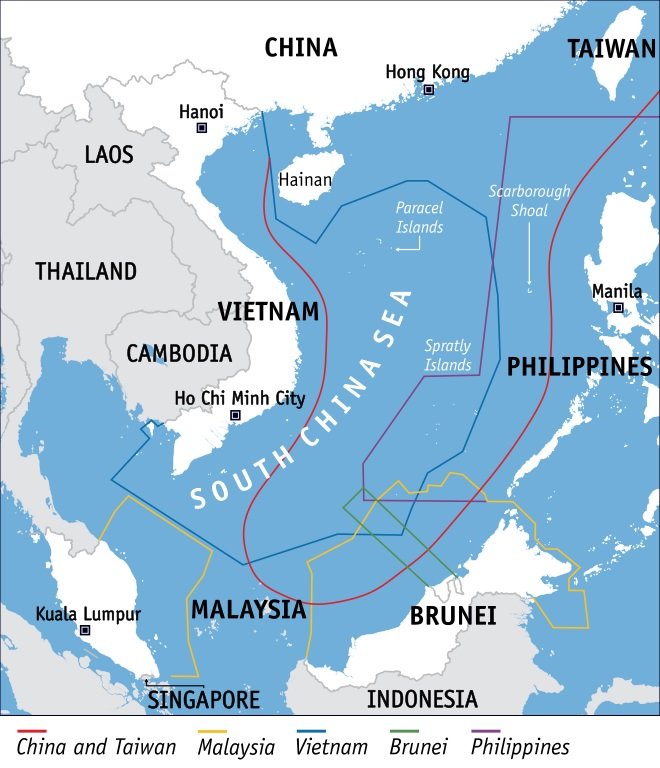
Introduction The South China Sea (SCS) is a vital artery for the global economy, teeming with marine life and vast reserves of untapped oil and natural gas. This abundance, coupled with its strategic location connecting Asian economies to global markets, makes the SCS a coveted resource and a hotbed for conflict. The South China Sea has recently emerged as a potential flashpoint of conflict among Southeast Asian nations. It also presents a lucrative opportunity for China to project its power in the region and potentially emerge as a superpower. In recent years, China’s increased efforts at reclaiming the land in the South China Sea by increasing the size of islands or creating artificial islands. There have also been militarization and infrastructure development efforts in the Paracel and Spratly Islands, with China having several outposts in both regions. The Woody Island, the largest of the Paracel Islands in the South China Sea, has also been militarized by deploying fighter jets, missiles, and radar systems. (Center For Preventive Action, 2004) The Core of the Dispute: Resources and International Law Being rich in its reserves of untapped oil and natural gas, the South China Sea has emerged as the primary area of competition for control over resources among the Southeast Asian nations, particularly China, Brunei, Vietnam, Malaysia and the Philippines. The main legal dispute in the South China Sea, however, is between China and the Philippines over the second Thomas shoal in the Spratly Islands. (Center For Preventive Action, 2004) The main bone of contention is China’s encroachment into the Exclusive Economic Zones [EEZ] of the neighbouring countries’ sovereign maritime territory. This prevents these countries from conducting maritime activities and exploring the reserves that this vast sea offers. In 2016, a case was brought before the Permanent Court of Arbitration at The Hague by the Philippines against China’s encroachment in its EEZ and several other counts. The court ruled in the prosecution’s favour. Despite being one of the signatories that enabled the establishment of the tribunal, China refuses to accept the court’s judgment and continues with its expansionist policies in the region to date. China also contests foreign military and intelligence activities in its EEZ. As per the United Nations Convention on the Law of the Sea [UNCLOS], countries are permitted to navigate the EEZ without any prior information about military activities. Geopolitical Implications The United States, France and the United Kingdom are among the few that have important political, security, and economic interests tied to the region. It is also an important player in maintaining sea lines of communication and freedom of navigation. The Chinese expansion has threatened important maritime passages that facilitate trade and naval movement. The assertive expansionist policies of China pose a threat not only to the United States but also to India, China’s immediate neighbour. The relations between India and China have been strained for several years, on the grounds of border disputes. With its growth in the region, China may become more assertive in infringing the territorial sovereignty of India, threatening the outbreak of a conflict between the long-standing adversaries. For the United States, the alarm remains of China becoming the next superpower and having major control over the economic and geopolitical landscape. It also raises concerns over increased competition among Southeast Asian nations for resources and control over major trade and maritime routes. The failure of Chinese and Southeast Asian leaders to resolve the disputes diplomatically could undermine international laws governing maritime disputes and encourage destabilising arms buildups. The Taiwan Factor Contained within the nine-dash line, China’s sweeping territorial claim casts a long shadow over Southeast Asia. The line cuts directly across the maritime claims of several nations, including Vietnam, the Philippines, Malaysia, Brunei and Indonesia. These countries have Established Exclusive Economic Zones (EEZs) whose outer limits extend for 200 nautical miles from their coasts thus vesting exclusive rights to resources within them. The nine-dash line violates these EEZs thereby significantly cutting off fishing grounds and potential undersea resources such as oil and gas. Consequently, this acts as an impediment to economic development in these countries in South East Asia while at the same time raising concerns about their long term food security. Moreover, by deploying military installations on disputed islands in the area and engaging in other assertive actions aimed at asserting its geopolitical dominance there-in like constructing military installations on disputed islands; China threatens freedom of navigation through the South China Sea. As an essential shipping lane that conveys important amounts of global trade, any disruption could cause catastrophic effects on all regional economies. Moreover, it conflicts directly with Taiwan sovereignty when it comes to China’s nine-dash line. Besides taking Taiwan wholly under its control, it covers other islets around it which complicates further already tense relationship between China and Taiwan . While China believes that Taiwan is a province that has rebelled, Taiwan on its part considers itself an independent country. For instance, in 1971 the Republic of China lost its seat to the People’s Republic in the United Nations. In this framework peace was established between these two countries in 1992. However, it appears that nothing could be further from the truth given China’s aggressive approach in South China Sea which threatens to dash all hopes for lasting peace. This might encourage Beijing to become more dominant and try to subdue Taiwan, making it lose what it has fought so hard for – independence. With a shift from strategic ambiguity to strategic clarity, US now defends Taiwan against any attack as part of their policies. Thus, this raises fears of an armed conflict between America and China with devastating effects to both economies and international politics at large. Conclusion The geopolitical ramifications of China’s actions in the SCS are extensive. The possibility of military war, a challenge to the international legal order, and resource competitiveness all pose serious threats to regional and global security. Navigating this difficult scenario necessitates a precise balance of respecting international law, controlling competition, and promoting regional collaboration. Finding

TR
Team Red Lantern AnalyticaAnalyst
arrow_outward
Red Sea Crisis: Turbulence in the Trade Route
COMMENTARIESJUNE 26, 2024
75

Red Sea Crisis: Turbulence in the Trade Route

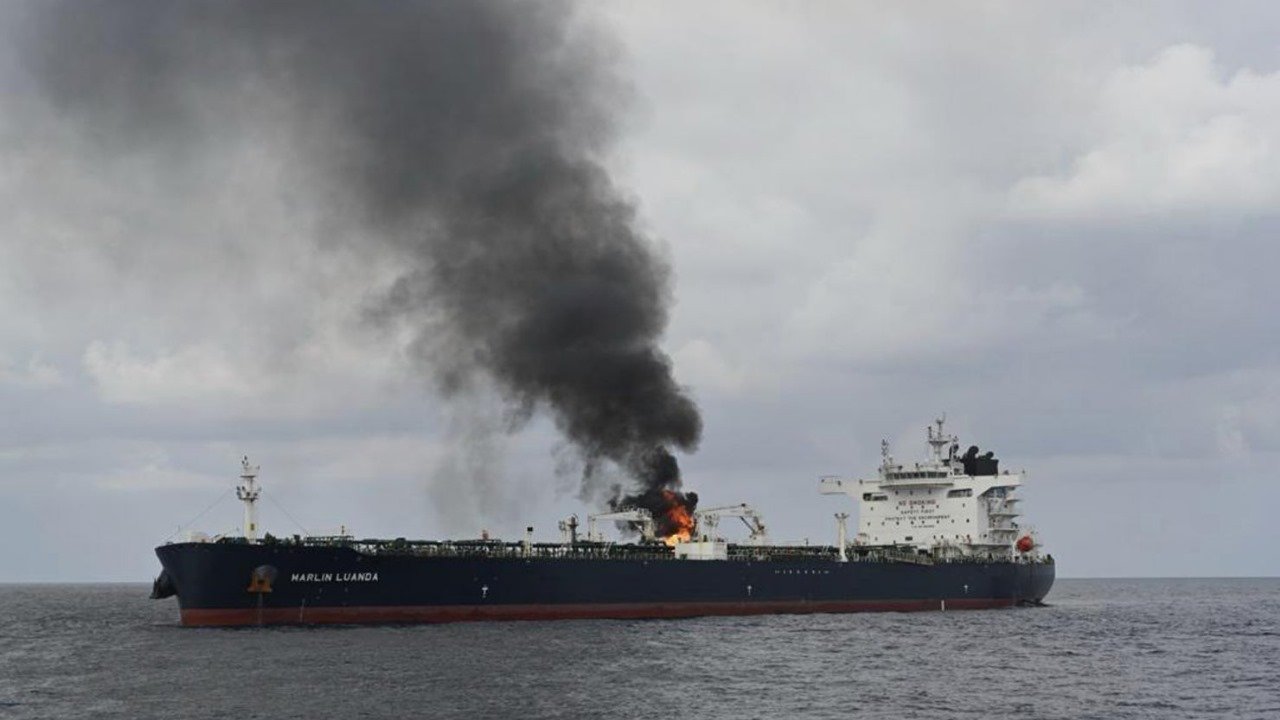
In the tapestry of global trade, the Red Sea is one of the few maritime corridors as crucial as the others. The corridor facilitates 2 major trade routes namely Suez Canal and Bab-El-Mandeb Strait. The Bab-El-Mandeb Strait, is a 32 km long channel between Yemen and Africa, a narrow stretch of water which is the busiest route bridging the connection between Europe to Asia and East Africa. However, the Red Sea has now become the stage for a complex and escalating conflict that threatens geopolitical economic stability as it is bordered by some of the most politically volatile regions in the world, including Yemen, Sudan and Somalia. These geopolitical hotspots contribute to the ongoing instability and tension that define the Red Sea Crisis and hence the crisis is a mixture of geopolitical tensions, piracy, and environmental concerns, making it a focal point of worldwide attention. Significance of the Red Sea in global trade The Red Sea has been a significant maritime route for centuries, serving as a critical passage for merchants and explorers. It holds strategic importance in global trade due to its location and role in the transportation of essential resources. The Red Sea serves as a critical maritime choke point, connecting the Mediterranean Sea via the Suez Canal to the Indian Ocean through the Bab el-Mandeb Strait. Approximately 12% of the global trade passes through this corridor from oil and natural gases to food and drinks to electronics. It forms a vital path for the world’s maritime commerce. Also, its strategic position makes it a crucial transit route for ships travelling between Europe, Asia and Africa. Geopolitical Tensions and Houthi Rebels The present situation has its roots in the history of the evolution of the Houthis, who control significant portions of Yemen, their location repeatedly has disrupted maritime traffic through missile attacks and mining operations since November 2023. The leading global freight firms re-route via Africa’s cape to avoid the Suez Canal. There have been dozens of attacks, a British-owned cargo ship called MV Rubymar got struck by a missile on February 18, 2024, reportedly this missile came from the Houthis. Their ideology is not to see Jews survive in Arab, which is why they have been attacking Israel. This ideology prompts the Houthis to keep attacking Israel which they see as a so-called ‘Zionist country’ ‘destroying innocent Palestine’. Houthis grew cooperation with Iran, a Shia-majority country. These tensions grew because of the involvement of external powers. Since the Israel-Hamas war began in October 2023, a lot of Muslim countries have been against Israel due to the unsettled tensions between the Jews and the Arabs. As Israel and Yemen are geographically distant, it is difficult for the Houthis from Yemen to directly attack Israel, so they focus on the Israeli ships or the ships heading to the Israeli ports to impart damage on Israel. By looking at recent scenarios and evaluating the tactical conditions that Iran’s involvement appears to be a key factor behind prompting the Houthis as well just like it is said to be the behind-the-scenes players for Hamas and Hezbollah, thereby intensifying the conflict and adding another layer of complexity to the crisis. The presence of conflict in the regions, such as the Israel-Hamas conflict, worsens the tensions and instability. Regional powers and militant groups seek to exploit the Red Sea for their strategic advantages such as for arms smuggling, disrupting trade routes, and gaining geopolitical leverage. The huge interconnection of regional conflicts at the global trade routes highlights the broader implications of the Israel-Hamas conflict on the security of the Red Sea. Economic Concerns These attacks are bleeding economies among them one is India. Indian exports are delayed, shipments are being held up and the losses are being borne by the traders. As we see India is majorly reliant on the Red Sea because the route reaches to the four major regions namely North America, North Africa Europe and West Asia. The regions accounted for almost 50% of India’s exports amounting to 18 trillion rupees and about 30% of the imports amounting to 17 trillion rupees in the year ended 2023, according to the CRISIL ratings. Time taken to move goods from one place to another has increased substantially and almost all the ships are redirected to the Southern tip of Africa going around the Cape of Good Hope adding approximately 6500 kms to the journey. And it is believed all of it will have to continue in the foreseeable future because there is no resolution in sight. Environmental Concerns and Food Security The Red Sea is a crucial trade route and an ecological region home to distinctive coral and marine biodiversities. The region has witnessed long-term damage to the coral reefs and coastal habitats. Moreover, the increase in maritime traffic raises the risk of further oil spills and other forms of pollution, such as freight water discharge and plastic waste even due to the increased voyage duration leading to consumption of more fuel and emission of harmful greenhouse gases. Climate change adds another layer to the issue as rising temperatures lead to coral bleach, while sea-level rise threatens coastal communities & infrastructure. The combination of environmental degradation and geopolitical instability creates a vicious cycle, endangering the Red Sea’s ecological stability. The impact of conflict on food security perhaps not limited to West Asia but to the global sphere as well has been slowly emerging, looking at the agricultural trade which has significantly decreased. The disruption has hit India’s rice trade. As we know India is a leading Rice exporter dominating 45% of the global market. Which is now being curbed, inflation has been high and the harvest has decreased to below the expectation. The potential disruption of trade routes through the Red Sea adversely affects global supply chains. The Suez Canal, which connects the Red Sea to the Mediterranean, is a critical point for international shipping. Any blockage or disruption in the Red Sea would directly impact the Suez Canal, causing delays

TR
Team Red Lantern AnalyticaAnalyst
arrow_outward
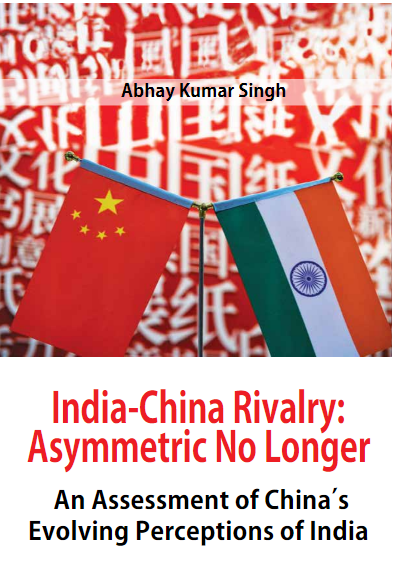
Book Review: “India-China Rivalry: Asymmetric No Longer – An Assessment of China’s Evolving Perceptions of India”
BOOK & POLICY REVIEWJUNE 26, 2024
76

Book Review: “India-China Rivalry: Asymmetric No Longer – An Assessment of China’s Evolving Perceptions of India”

Book: India-China Rivalry: Asymmetric No Longer – An Assessment of China’s Evolving Perceptions of India Writer: Abhay Kumar Singh Publisher: KW Publishers Pvt Ltd, New Delhi, 2021. Hardcover, ISBN: 978-9391490010, 228 pages, Price ₹980. Abhay Kumar Singh’s “India-China Rivalry: Asymmetric No Longer” provides a comprehensive examination of the evolving dynamics in the strategic relationship between India and China. The very title suggests of its primary thesis: the rivalry between these two nations no longer being one-sided or asymmetric. Singh aims to reassess the perception that China views India as a secondary concern, presenting a thorough analysis of an inside look into the Chinese perspective and their outlook towards India. The book is pivotal in understanding the changing dynamics and the reasons behind the shifting perceptions in Sino-Indian relations. The book’s central argument is that the traditional idea of an uneven rivalry between India and China has become outdated. According to Singh, modern-day India is seen as a major power in the Indo-Pacific region and global geopolitics by China. The book seeks to address the dearth of literature on Chinese views of India, which are often constrained by language and information barriers. It aims to help readers understand the reasons behind these perceptions by assessing the mental and emotional Image of India in Chinese minds. It dives deep into the evolving dynamics of India-China relations for the last 70 decades highlighting how the perception of China on India has changed throughout. The author thoroughly explains how contemporary India has emerged as a major power in the Indo-Pacific region and on the global stage. With its growing economic strength and strong relations with countries like the USA, Japan and Australia, India is playing a significant role in establishing a balance of power in its rivalry with China. As a result, China is now taking India more seriously. The book argues that the conflict between the two nations is not an asymmetric warfare but an uninterrupted, ongoing struggle. The book is structured into six chapters, each focusing on different aspects of the India-China rivalry and China’s evolving perception of India. The book sets the stage by recounting the historical context and recent events, such as the Galwan Valley clash, which underscore the complexity and volatility of India-China relations. It delves into China’s uncertain view of India, exploring persistent attitudes and shifting perceptions, rooted in the deep history and evolving over time. The book also examines Chinese perspectives on regional geopolitics and highlights the impact of India’s strategic moves and alliances. A significant portion is dedicated to analyzing Chinese perceptions of India during Narendra Modi’s tenure, highlighting India’s growing strategic position in global politics. It then goes ahead to argue against the outdated concept of asymmetric warfare, presenting evidence that China China now regards India as a major strategic adversary. Finally, the book discusses potential future scenarios in the India-China rivalry while also providing comprehensive insights into various options for India, providing a comprehensive view considering evolving dynamics in this highly nuanced relationship. One of the book’s strengths lies in its exploration of topics where assessment and research are scares, such as the need to reassess India-China relations as asymmetrical and the lack of Chinese perspectives on India. It enables readers to develop a deeper understanding of India-China relations, their policies toward each other and potential future scenarios that might come into play. Moreover, the book’s strength lies in its effort to delve into the dynamics of the USA-India-China triangle, highlighting the significant role of the USA in India-China relations and in shaping the emerging Indo-Pacific landscape. The USA emerges as a major factor in helping India counter the notion of asymmetry and create a balance of power. However, this dynamic is viewed through the eyes of skepticism by China which sees the USA as imperialistic, with India being a tool for furthering US hegemony. Singh’s meticulous research, including insights from Chinese sources, offers a well-rounded understanding of the Sino-Indian dynamic. The book lives up to its title as it effectively captures the constantly evolving dynamics between the two nations and the importance of reassessing our current perceptions while we gain insight into future possibilities in regional politics. The book prompts you to reconsider your views towards India-China relations, offering a nuanced understanding of this dynamic The book however falls short in delving into the asymmetries in military, technological, and infrastructural capabilities between India and China. These differences are significant factors contributing to the present perception of asymmetry. a more detailed examination of these aspects would have helped the analysis. There is also a need for empirical data regarding the analysis of the military and economic capabilities of the two nations. The book could also be a bit dense for some readers who are not acquainted with the theoretical concepts of the International relations discipline. Altogether Singh’s work excels in filling a critical gap in the Western and Indian as well as Chinese literature by providing an in-depth look at Chinese perceptions of India. It is a remarkable contribution in the field and answers many critical questions on the contemporary India-China dynamics and the need for reassessment of the traditional perspectives that are entrenched in the minds in the geopolitical arena providing a comprehensive understanding of the rivalry. The Book is well-written and provides a clear, insightful analysis of the dynamic relationship between India and China. Singh’s argument that the rivalry is no longer asymmetric is convincingly presented throughout the book, and every chapter makes the argument stronger supported by substantial evidence and thorough research. The inclusion of detailed analyses of contemporary geopolitical issues such as the Galwan standoff or the pressing crises in the Indo-Pacific with the role of major powers like the USA, Japan, and Australia adds depth to the discussion. The book is scholarly in research and is written in a way where it is of interest to not only academicians in international relations but also practitioners or anyone with an interest to understand in deep the dynamics of India-China relations and the perspective

TR
Team Red Lantern AnalyticaAnalyst
arrow_outward
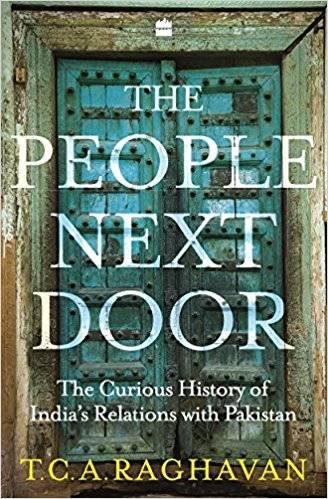
Book Review of “The People Next Door: The Curious History of India’s Relations with Pakistan”
UNTRADITIONAL SECURITYJUNE 25, 2024
77

Book Review of “The People Next Door: The Curious History of India’s Relations with Pakistan”

Title: The People Next Door: The Curious History of India’s Relations with Pakistan Author: T.C.A. Raghavan Publication Place: Noida, India Publisher: HarperCollins India Date of Publication: 2018-07-02 Edition: First Edition Pages: 360 ISBN: 9789353022914 T. C. A. Raghavan’s “The People Next Door: The Curious History of India’s Relations with Pakistan” is a detailed analysis of the bitter-sweet history of relations between two South Asian neighbours: India and Pakistan. Raghavan, by profession, is a diplomat who once served as the Indian High Commissioner to Pakistan, and thus, his analysis in this regard informs his entire approach to the book. In this case, Raghavan has an extensive background and practical experience in Pakistan, which enables Raghavan to inform his readers and provide a more measured hypervisibility to the subject. The book delves into the historical background of the relationship between India and Pakistan beginning with the traumatic partition of 1947. Raghavan explains the events that characterised earlier contacts between the two countries, such as territorial disputes of the Kashmir region, water distribution issues, and defining religious affiliation. In depicting historical realities and incorporating his own experiences, as well as the quotes of key leaders of the two States, he paints the complex picture of these problems noted at both the border and on an international level. The complex rivalry between India and Pakistan has been the subject of numerous books over the years, but few are as nuanced and intricate as T.C.A. Raghavan’s The People Next Door: The Curious History of India’s Relations with Pakistan, which was released in 2018. However, the book is not all about the politicians and their arguments. Raghavan investigates the interlinkages between people from India and Pakistan as friends or families, history and culture. Thus, combining these threads, Raghavan paints a picture with a broad and detailed insight into the relations between India and Pakistan. He did not attempt to tell a favourable story about India or an unfavourable story about Pakistan. However, he states that there are mistakes on both sides and the stories from history and internal politics are one of several factors that keep the temperature rising high. Concisely, the author’s fair presentation of facts offers readers more than just a meagre piece of information about the conflict and helps them understand the complexities of the situation. In a nutshell, the first chapter of the book can be seen to provide the necessary backdrop for Raghavan to embark on. Alone he asserts the dynamics and complexities of this relationship to the readers. He turns back to the past, reflects on their situation and issues that still exist and studies the linkages that remain with them. The approach that the authors take ensures that readers are equipped with a clear and balanced picture of this rather intricate and often misunderstood subject. Chapter 2 is devoted to the disputable topic of Kashmir. It goes beyond the “who owns it” question, diving into the deep historical roots and emotional attachment each country feels, Chapter 3 explores another flashpoint: providing water from shared rivers. We all know water is essential, but here Raghavan explains why it is a matter of development and security for both nations. But here’s the surprising twist: it is not all conflict. Chapter 4 examines the engrossing cultural and social links found in these “People Next Door.” Picture two families who are related and engaged in a fight, yet they still reach out. It was heartbreaking to read when Raghavan spoke about families that were affected by partition and continue to visit each other across the border. Such relationships illustrate the fact that historical connections should not be overshadowed by political conflict. Don’t we all love a good game? Chapter 5 examines cricket, the love for which is motivating the people of the subcontinent. Cricket prevails as an instrument that unites diverse societies since almost everyone in the subcontinent loves the game. Likewise, Chapter 6 examines cultural references that are entrenched in Bollywood films and literature. Chapter 7 addresses this issue of economic cooperation between these neighbours which has a bright future but is burdened by the lack of trust and political rivalry. The last chapter in the book – Chapter 8 – seems to be the light at the end of the tunnel. The author offers a more refined perspective of this intricate relationship. It is not a rosy picture but there is a positive chance to see a peaceful world and maybe India and Pakistan could come out of the racial rivalry and can live together. The key lies in acknowledging the difficulties and at the same time, seeking possibilities of a better tomorrow. An excellent feature of the book is that the author is able to present the information impartially. Raghavan does not depict India as a helpless nation and Pakistan as the evil oppressing the harmless India. He admits mistakes committed by both governments and focuses on the effects of historical prejudices and internal political agendas on the escalation of the conflict. Such an approach can help the readers better grasp the dynamics at work in the conflict. Moreover, Raghavan wrote personal experiences and anecdotes very effectively. In sharing his own personal and professional stories from his years as a diplomat stationed in Pakistan, he writes about the hospitality that always existed beyond the veil of hostility. Such human interest incidents also assist in effectively fighting off the prevailing stereotypical notion of hatred and send out positive messages on the prospects of forgiveness. Nevertheless, “The People Next Door” has a handful of shortcomings. Even though Raghavan does a commendable job of analysis, the book is lacking in providing a solution-oriented outlook to the future. Those readers who came with the expectation of finding a way to enhance political relations may be disappointed. Another crucial aspect that should be highlighted is the fact that Raghavan is an author who has the background of a former Indian diplomat. Perhaps, it could have been helpful to incorporate more Pakistani opinions and perspectives

TR
Team Red Lantern AnalyticaAnalyst
arrow_outward
Statement welcoming the U.S. Delegation meeting H.H. Dalai Lama at Dharamshala in India
MEDIA COVERAGEJUNE 19, 2024
78

Statement welcoming the U.S. Delegation meeting H.H. Dalai Lama at Dharamshala in India

On 19th June, a bipartisan US delegation led by former U.S. House Speaker Nancy Pelosi and Michael McCaul, the Republican chair of the House Foreign Affairs Committee, met the Tibetan spiritual leader, the 14th Dalai Lama in Dharamshala, India. This comes in line with the U.S. recently legislated ‘The Resolve Tibet’ Act by which the stance of the U.S. has been clearly delivered to the People’s Republic of China (PRC) that America stands with the people of Tibet against its illegal occupation of Tibet by the Chinese Communist Party (CCP) led PRC. The People’s Liberation Army (PLA) of People’s Republic of China invaded Tibet in 1950 after which their agenda of sinicization of Tibet has been running in its full fervour. Tibet has been eroded of social stability and harmony by the rising CCP authoritarianism in the region. A recent report by the human rights experts of the UN revealed the various oppressive practises the CCP has been inflicting upon Tibetans, in the form of forced assimilation of the Tibetan identity into the dominant Han identity of mainland China. Millions of ethnic Tibetan children are separated from their families early on to be sent to boarding schools funded by the CCP where they are taught Mandarin and brainwashed to embrace the Chinese culture; as a result of which the new generations have lost their ability to speak fluently in their own language and know little about their own-Tibetan history, culture and religion. Moreover, the PRC also vies for the rich natural resources of the Tibet and exploits them for its own authoritarian ambitions. It has disrupted the ‘Water Tower of Asia’ with its infrastructural activities and controlled the hydrological data and the flow of the rivers to disrupt the countries that are dependent on these rivers. Thus, the CCP ignores culture, identity, language and livelihoods to fulfil its hegemonic expansion. As the Indo-Tibet border disputes remain pertinent (the Tibet side being under control of the PRC), the reassertions of the PRC’s territorial dominance over Tibet is intensifying. At such a juncture, the U.S. delegation brings a fresh blow of progress in the efforts to contain and suppress PRC’s fiendish efforts to erode Tibet’s identity. The PRC has warned the U.S. of “So-called resolute measures” to firmly defend its sovereignty, security and development interests if the new ‘Tibet-China dispute bill’ is signed into law by the US President. However, the fact remains that the CCP has been and is committing gross human rights violations and other atrocities that the Tibetans are being subjected to for so many decades now and this must cease. Red Lantern Analytica extends its dedicated support and commitment to finding solutions to the longstanding Tibet’s occupation by the PRC and requests the global community stay vocal against the tyranny of the CCP-led PRC.

TR
Team Red Lantern AnalyticaAnalyst
arrow_outward
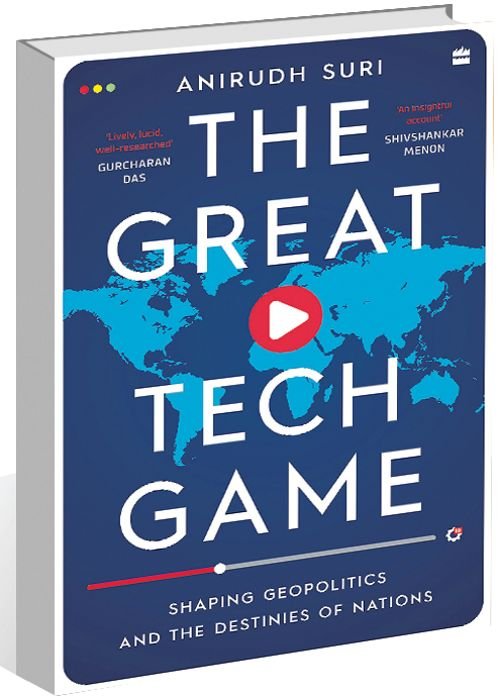
Book Review of “The Great Tech Game” by Anirudh Suri
BOOK & POLICY REVIEWJUNE 13, 2024
79

Book Review of “The Great Tech Game” by Anirudh Suri

Title: The Great Tech Game: Shaping Geopolitics and the Destiny of Nations Author: Anirudh Suri Publication Place: Noida, India Publisher: HarperCollins India Date of Publication: 2022 Edition: First Edition Pages: 432 ISBN: 978-9354895298 The main argument that the author, Anirudh Suri presents in ‘The Great Tech Game’ is that technology itself has grown to be the axis around which global power dynamics revolve. This fundamentally changes the geopolitical scene and national fortunes. Suri hopes to clarify how countries should manoeuvre through this tech terrain with finesse, not only to maintain geopolitical power but to further reinforce it. He accomplishes this objective, through explicit analysis. He provides a complete guide with a structured framework. At the end of the day, the tech has gone global and you either play the game, or you get played. The Great Tech Game consists of four basic eras of technological influence: the Industrial Game, the Digital Game, the game of data and the AI game. Every wave of new tech that creates the next great tech company opts for a new kind of leadership and a new source of power. The Industrial Game phase focuses mainly on the era of manufacturing and physical goods. Industrial capacity and manufacturing prowess were the main determinants of a state’s influence on the global stage. Countries such as the United States and Germany, which mastered the art of industrial production were able to wield significant geopolitical power and dominate the international markets. The advent of the internet and various other digital technologies shifted the global landscape to look more toward new software and digital platforms. The Digital Game showcases how companies like Google, Microsoft and Facebook have become giant powerhouses through their ability to create digital ecosystems that millions of people use daily. Nations that fostered these digital giants in their advancement gained significant strategic advantages over their counterparts. The Data Game highlights the importance of data control. Described as the new oil, data is an essential resource that sustains not only business decisions but also national security. Countries and corporations that are designed to collect, analyse, and utilise this data effectively are set to lead innovation and economic growth. This phase comes with its own set of challenges, as explained by Suri. Nations would now have to step up their game to deal with issues like data privacy, security and data governance. Suri also talks about the world’s progression into the current and most advanced phase of these; artificial intelligence and machine learning, referred to as the AI Game. Countries that focus on research and development in the field of AI and its deployment in other fields can dramatically alter industries, amp up their military capabilities and transform societies. The book explores the impact of AI on employment, ethics and global power structures. This phase emphasizes the potential of AI to transmogrify all the stations of life. The book further investigates how leading countries like the United States, China and India are scrambling to dominate in each of these phases, through an intensive analysis of their national policies, investment patterns and educational reforms. We can also see the ethical implications of these technologies, raising concerns related to cybersecurity, privacy and the digital divide. Suri emphasizes that the need of the hour is to develop strategies that would promote inclusive growth and responsible development while navigating this highly complex tech game. One of the greatest advantages of ‘The Great Tech Game’ is its all-over coverage. Suri treats sweeping ground, covering the history of events, present trends and future projections, giving the book a sense of depth combined with contemporaneity. His writing is readable, putting complex political and technological ideas in a way that people have different perspectives. Moreover, the diversified case studies and examples from many countries give a global, all-around view of technological competition. Suri’s structured approach, breaking down the tech game into four distinct phases, allows readers to grasp the progression of technological influence and its implications on global power dynamics. Each phase is well-argued, with very relevant examples and case studies to drive the point home. Such linkage of technological advancement with geopolitical strategies brings out the clear meaning of what technology stands to offer in terms of geopolitical gains to these nations. However, the book’s breadth impinges on its depth. Although touching on many important matters, Suri’s book may sometimes seem shallow to readers looking for a more thorough insight into a particular area of technology or policy. The discussion on the influence of AI is great, for example, but since AI technologies are progressing quite fast, some points can therefore be superficially talked about in this light. Additionally, with the pace at which technological changes happen, some of Suri’s predictions and analyses may become irrelevant very quickly, making the book non-time-resistant. The dynamism of technology is such that new insights can quickly render the landscapes so different and insights inapplicable with time. Overall, The Great Tech Game is a major contribution toward understanding the role played by technology in global geopolitics. Its coverage is broad and its language clear, so it helps inform policymakers, business leaders and scholars about most aspects of the subject. Of course, the flip side is that the general spread of the book across the gamut of issues means that not all details are gone into deeply; nevertheless, Suri manages very adroitly to emphasize how critically important technological innovation is in re-imagining the future of nations. Especially at this moment, when the tech landscape is fluidly unpredictable, the book offers several salient points to future-proof a nation. Suri impresses with his ability to subdue complex information into a coherent narrative. The strength of this book lies in a holistic view of technology’s impact on geopolitics and the advice given to policymakers in the period of change. However, its weaknesses are the very vast scope and the rapidly changing nature of technology, which renders not a few parts of the analysis relatively shallow and potentially outdated. However, ‘The Great

TR
Team Red Lantern AnalyticaAnalyst
arrow_outward
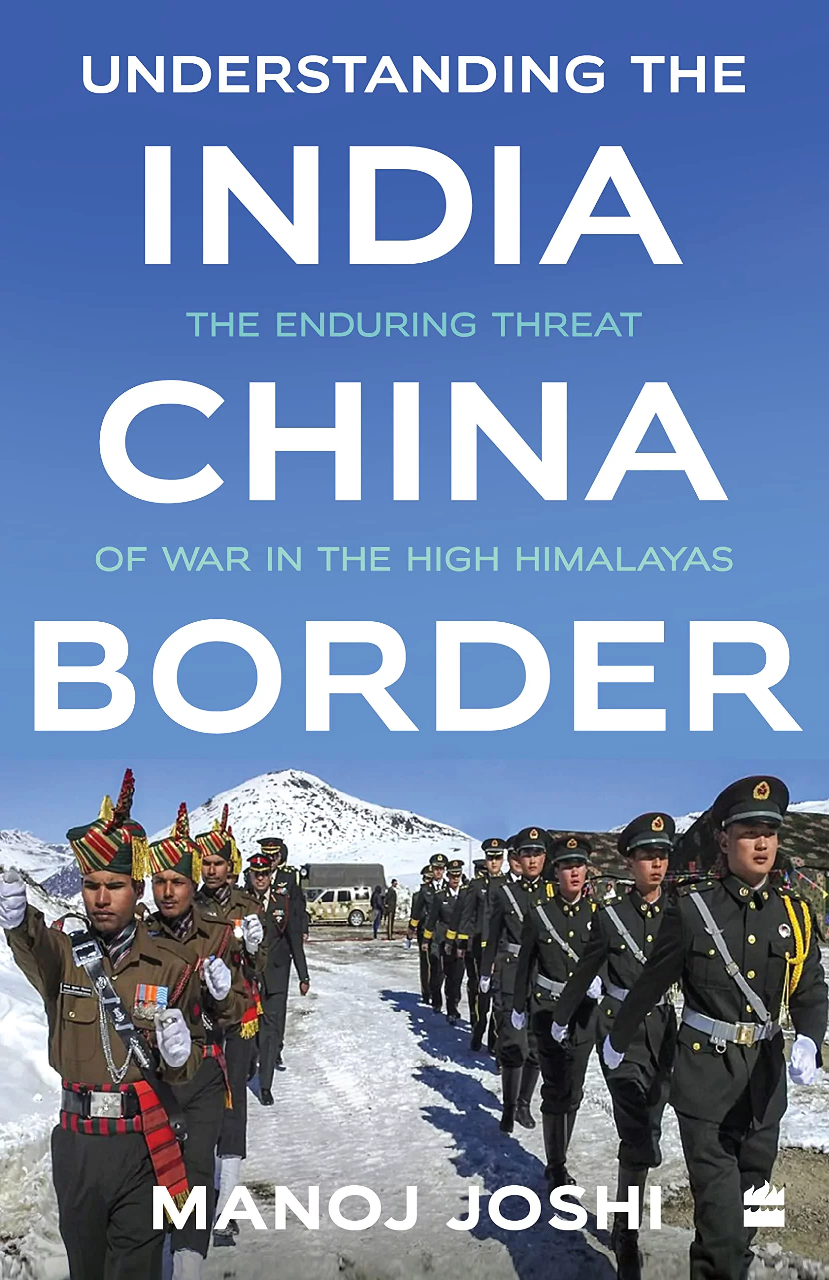
Book Review of “Understanding India China: The Enduring Threat of War in High Himalayas” By Manoj Joshi
BOOK & POLICY REVIEWJUNE 13, 2024
80

Book Review of “Understanding India China: The Enduring Threat of War in High Himalayas” By Manoj Joshi

Author: Manoj Joshi Publication Place: London, United Kingdom Publisher: C. Hurst & Co. (Publishers) Ltd. Publication Year: 2022 Edition: First Edition Pages: 363 ISBN: 9781787385405 Price: ₹417 Manoj Joshi’s book is deeply rooted in historical understanding and strategic analysis and provides an overall understanding of the most difficult border disputes in the world. The book has examined the most contentious boundary issues between Asia’s two largest nations. It is a thorough examination of the 1962 Sino-Indian War. Manoj Joshi not only recounted the events leading to the conflict but also provided an in-depth analysis of the military strategies, political miscalculations and diplomatic failures that led to the defeat of India. Joshi argues that this war has left a firm mark on India’s strategic psyche and continues to influence its security policies and perceptions of China. The author begins by explaining the historical roots of the border dispute. He precisely traces the origins of the conflict back to the colonial era and particularly focuses on the British administration’s actions and policies The author has detailed the McMahon Line which was drawn during the Simla Convention of 1914 that the Chinese have never accepted; and contrasts it with the Johnson Line and the Macartney-Macdonald Line in the western sector, especially in the disputed region of Aksai Chin in Ladakh. This historic backdrop sets the stage for understanding the complex territorial claims and the deeply rooted positions of both nations. The book claims that as both nations began to assert their sovereignty and territorial integrity that led to the border dispute escalated leading to the Sino-Indian War. (1962) Joshi delves into the ever-evolving military dynamics alongside the border and also discusses the significant build-up of the infrastructure of roads, airfields and forward posts by both countries. Moreover, highlights how infrastructure development has changed the nature of the border dispute, enabling rapid mobilization and has increased the potential for localized conflicts to escalate. Joshi examines the modernization of the Chinese People’s Liberation Army (PLA) and the Indian military’s response, showcasing a detailed account of their capabilities and strategic doctrines. Another critical aspect that Manoj Joshi brings up is the role of diplomacy and bilateral relations in managing the border dispute. He gives a very balanced view of various attempts at conflict resolution which includes agreements and confidence-building measures undertaken since the 1980s. Joshi notes that despite numerous rounds of talks and mechanisms for maintaining peace at the border it remains volatile with frequent stand-offs and clashes such as the Doklam Clash (2017) and the Galwan Valley Clash (2020). Manoj Joshi’s analysis extends the geopolitical implications of the India-China border issue. He argues that the border dispute cannot be considered in isolation but must be understood within the broader context of Sino-Indian competition, including competition for regional influence in South Asia and the Indian Ocean, the impact of China’s Belt and Road Initiative (BRI) and India’s strategic partnerships, particularly with the United States. The author posits that the border dispute is a symptom and is a driver as well of the broader strategic competition between the two rising powers of Asia. It also offers insights into the internal political dimensions of the boundary question in both India and China. Joshi examines how nationalist sentiments and domestic politics have influenced the border strategies of the nations. Manoj Joshi argues that leaders of both countries use the border dispute to bolster their political legitimacy and rally domestic support, which has complicated the efforts for a peaceful resolution. In the concluding sections, the author offers his views on the future trajectory of the India-China border dispute. He emphasizes more on the need for strategic foresight, improved military readiness, and robust diplomatic engagement to manage the enduring threat of conflict in the high Himalayas. The book is a vital contribution to the literature of the world of International relations and border studies. It serves as a crucial resource for policymakers, academic scholars, and other readers interested in the future trajectory of India-China relations. In methodology terms, it has used several sources which include official documents, military analysis and interviews with experts and officials. Notably, the book has made complex geopolitical issues understandable and it doesn’t shy away from reflecting the limitations and failures of both Indian and Chinese strategies. It has critically pointed out India’s reactive approach, its historic neglect of border infrastructure and China’s aggressive posture and lack of transparency. The book gives a comprehensive approach to understanding the border disputes but it is not without its Weaknesses, Although the book provides a balanced analysis and draws on a wider range of secondary sources, the absence of firsthand Chinese perspectives can be considered as a gap which could have been enriched by utilizing the primary sources from China, be it official documents, statements, and analyses from Chinese scholars. Somewhere or other historical events might have overshadowed the contemporary developments and strategic shifts. The economic factor holding a significant role in international relations received relatively less attention which could have been explored in greater detail providing a more holistic view of the bilateral relationship between the two. Moreover, the book primarily has focused on the national level perspectives of the countries, overlooking the regional and local dimensions of the border dispute, which could have added more depth to the analysis and highlighted the human impact of the border tensions. As an academic approach, the critical perspective has encouraged a re-evaluation of India’s strategic policies and highlights the need for proactive and forward-thinking strategies. Understanding India-China Borders by Manoj Joshi is a nuanced work that offers a comprehensive and in depth analysis of one of the most complex border disputes in the world. The book’s historical context, detailed military analysis, exploration of diplomatic efforts, and examination of integral political dimensions provide valuable insights into the dynamics of the India-China border dispute. Joshi’s balanced and thorough research makes this book an essential resource for comprehending the past, present, and future of one of the world’s most critical geopolitical flashpoints. This

TR
Team Red Lantern AnalyticaAnalyst
arrow_outward
THE TAIWAN STRAIT TENSIONS: GEOPOLITICAL CHALLENGES AND STRATEGIC IMPLICATIONS
COMMENTARIESJUNE 10, 2024
81

THE TAIWAN STRAIT TENSIONS: GEOPOLITICAL CHALLENGES AND STRATEGIC IMPLICATIONS

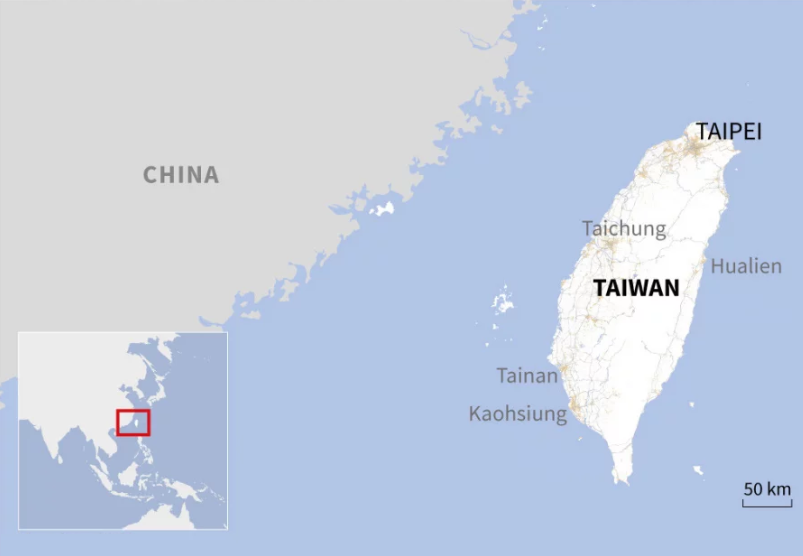
INTRODUCTION The Taiwan Strait, a 180-kilometer-wide body of water separating Taiwan from mainland China, has been a focal point of geopolitical tensions for decades. These tensions, rooted in historical, political, and strategic dimensions, have significant implications not only for the region but also for global stability. As the world watches, the dynamics between Taiwan and China continue to evolve, presenting challenges and opportunities for regional and international actors. The roots of the Taiwan Strait tensions trace back to the Chinese Civil War, which culminated in 1949. The defeat of the Nationalist Party (Kuomintang, or KMT) by the Communist Party of China (CPC or CCP) led to the retreat of the KMT to Taiwan. Since then, the People’s Republic of China (PRC), established by the CCP, has viewed Taiwan as a breakaway province that must be reunified with the mainland, by force if necessary. Conversely, Taiwan has developed its own distinct identity and democratic political system, increasingly asserting its de facto independence. The historical animosities are compounded by the lack of a formal peace treaty between the two sides, leading to a perpetually precarious status quo. PRC’s insistence on the “One China” policy, which asserts that there is only one China and that Taiwan is an inalienable part of it is a cornerstone of its foreign policy. This policy has led to diplomatic pressure on other countries to not recognize Taiwan as a separate State, effectively limiting Taiwan’s international presence. GEOPOLITICAL CHALLENGES AND STRATEGIC IMPLICATIONS The political landscape within Taiwan significantly influences the Cross-Strait tensions. Taiwan’s internal politics are divided mainly between two camps: the Pan-Blue coalition, led by the KMT, which traditionally favours closer ties with China, and the Pan-Green coalition, led by the Democratic Progressive Party (DPP), which advocates for a stronger Taiwanese identity and, at times, formal independence. Elections in Taiwan often become referenda on cross-strait relations. For instance, the election of Tsai Ing-wen from the DPP as president in 2016 marked a shift towards a more cautious stance on relations with the PRC. Tsai’s administration has been firm on maintaining Taiwan’s democratic values and resisting Beijing’s pressures for unification, which has led to increased tensions. Beijing’s pressures for unification, which has led to increased tensions. Beijing’s response has been multifaceted, involving military, economic incentives and diplomatic isolation efforts. One of the most visible manifestations of the tensions in the Taiwan Strait is the military posturing by both sides. China has significantly ramped up its military capabilities, with frequent incursions by Chinese aircraft into Taiwan’s Air Defense Identification Zone (ADIZ) becoming a new norm. These actions serve as a show of force and a warning to Taiwan and its supporters, particularly the United States. Taiwan, for its part, has focused on asymmetric warfare strategies to counter the numerical and technological superiority of the People’s Liberation Army (PLA) of the PRC. This includes investments in mobile missile systems, advanced radar systems, and cyber defense capabilities. Taiwan’s military strategy aims to make any potential Chinese invasion costly and difficult. Furthermore, the United States plays a crucial role in this military dynamic. Under the Taiwan Relations Act of 1979, the U.S. is committed to providing Taiwan with defensive arms and maintaining the capacity to resist any force that jeopardizes the security of the Taiwanese people. The U.S. arms sales to Taiwan, including advanced fighter jets and missile defense systems, have been a point of contention with China. The strategic implications of these military developments extend beyond the Taiwan Strait. The region is a vital artery for global trade, with significant amounts of commercial shipping passing through. Any conflict in the strait could disrupt global supply chains, particularly in the technology sector, given Taiwan’s pivotal role in semiconductor manufacturing. Despite the political and military tensions, economic interdependence between the PRC and Taiwan is substantial. PRC is Taiwan’s largest trading partner, with extensive cross-strait investment and supply chains linking the two economies. Taiwanese businesses have significant investments in PRC and many sectors in Taiwan are dependent on the Chinese market. This economic relationship creates a complex dynamic where both sides have a vested interest in avoiding conflict that would be mutually destructive. However, it also means that economic measures can be used as tools of coercion. PRC has at times leveraged its economic influence to pressure Taiwan, such as through tourism bans and import restrictions. Conversely, Taiwan has sought to diversify its economic partnership initiatives like the New Southbound Policy, which aims to strengthen ties with Southeast Asia, South Asia, Australia, and New Zealand. This policy reflects Taiwan’s strategy to reduce its economic dependence on PRC and build broader international support. The international community’s response to the Taiwan Strait tensions is varied and strategic. The United States remains the most significant external actor, balancing its official “One China” policy with robust support for Taiwan’s defense and participation in international organizations. U.S. naval presence in the region, including freedom of navigating operations, underscores its commitment to maintaining stability and countering Chinese expansionism. Other regional powers, such as Japan and Australia, have also expressed concerns over the potential for conflict in the Taiwan Strait. Japan, in particular, views the security of Taiwan as closely linked to its own national security. The increasing alignment of interests among the U.S., Japan and other allies has led to greater military cooperation and dialogue on Taiwan-related security issues. The European Union, while generally more cautious, has shown increasing support for Taiwan in the face of Chinese coercion. This includes statements defending Taiwan’s democracy and participation in international forums, as well as calls for peaceful resolution of cross-strait issues. FUTURE PROSPECTS The future of the Taiwan Strait tensions is fraught with uncertainties. The ongoing contestation between the U.S. and PRC, Taiwan’s domestic political dynamics and the broader strategic landscape in the Indo-Pacific region all play crucial roles in shaping the trajectory of cross-strait relations. One possible scenario is the continued status quo, where Taiwan maintains its de facto independence without a formal declaration, and the PRC continues its pressure

TR
Team Red Lantern AnalyticaAnalyst
arrow_outward
SINO-RUSSIAN RELATIONS POST UKRAINE CRISIS
COMMENTARIESJUNE 10, 2024
82

SINO-RUSSIAN RELATIONS POST UKRAINE CRISIS

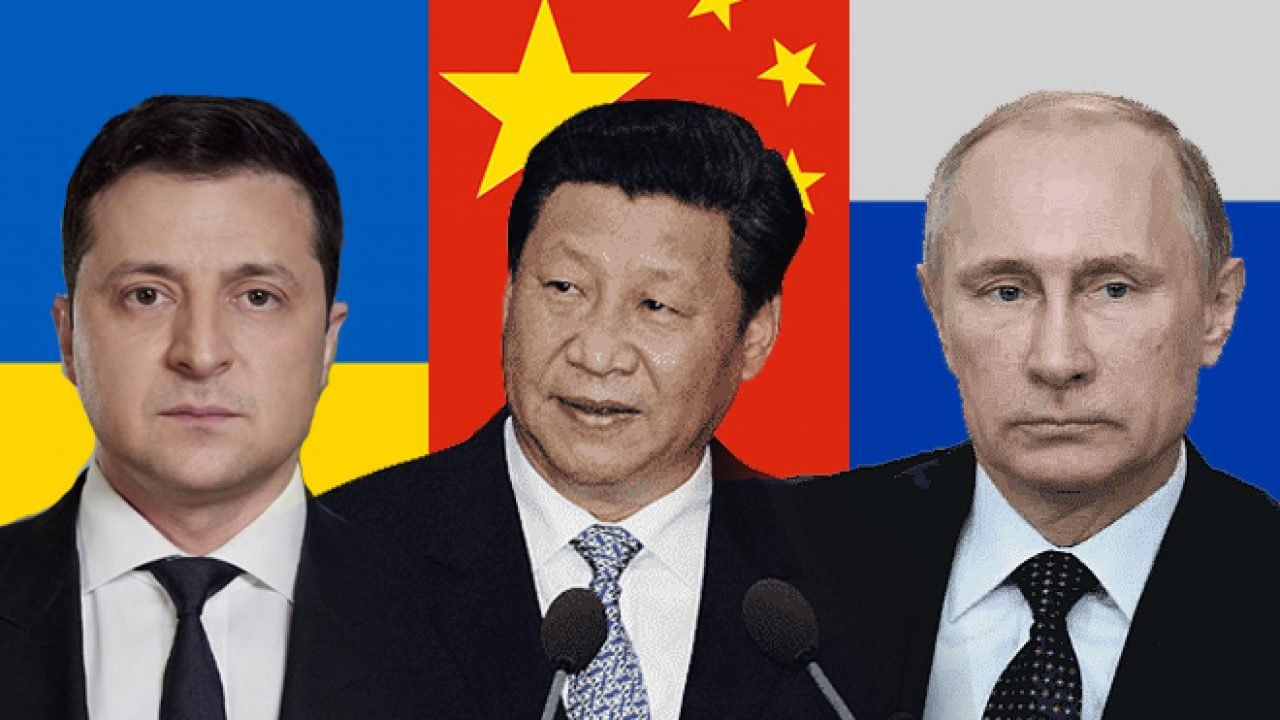
Both the countries have a long history of disputes nevertheless, China and Russia have expanded their military, economic and diplomatic relations in the twenty first century. Experts also point out that China and Russia are not natural partners or formal allies from the historical point of view, so the strength of their “no-limits’ ‘ partnership is under question. The article aims to understand the role played by the Ukraine war in the Sino-Russian relations while also taking into account the other factors In February 2022, when Russian President Vladamir Putin visited China, both the countries concluded their “No Limits” partnership which is seen as the highest camaraderie between Russia-China partnership and a strong mutual support for the protection of their core interests as both the nations give immense priority to their sovereignty and strategic significance.[1] Post Cold war, the former Russian President dreamt of a triple axis of Russia, China and India, however this is far-fetched given the ‘abnormal’ relations between Russia and China. Russia has been successfully able to balance its relationship with both China and India. The India factor in their relationship has not played a huge role in their relationship at least in the present times. In the recent State Visit of Putin to Moscow, both the countries showed their solidarity for building an alternative world order as opposed to U.S ‘hegemony’.[2] This is in backdrop of the severe crisis of international world order. Both the countries have ample number of convergences and similar stances on a host of common grounds beyond the Ukraine crisis. Putin has only met two world leaders since the 2020- Xi Jinping and Kim Jong-Un, which reflects the Russia-Iran-China axis challenging their common enemy and threat, the US. Beijing and Moscow’s cooperation is mostly because of their shared goals of curbing American power and challenging U.S Hegemony. Some argue that their strategic partnership is more driven by their common rivalry with the United States than by natural affinity. Their economic relations have mainly risen in the face of the western sanctions against Russia as Moscow is shifting its trade away from Europe. While military exercises have increased, there is a lack of interoperability among them. Both the countries however do not share the same vision of the world order. Putin has also praised the Belt and Road Initiative (BRI) as an attempt for achieving a more “equitable and multipolar world order”. However, Russia is not officially a part of the BRI. [3]In order to challenge the U.S influence, both the countries have been working through various multilateral institutions such as the BRICS, SCO to gather support from the developing nations for their visions. China and Russia’s engagement in these institutions would play a crucial role in the long term sustenance of their relations post the Ukraine war. There is also a geographical factor that plays in the Sino-Russian relations. The China-Russia border spans over 2,600 miles which includes a long border in the east and a smaller border between Kazakhstan and Mongolia. China and Russia, both permanent members of the UNSC, have tended to back each other at the UNSC.[4] This also shows the strategic as well as geographical reasons why China is a top most priority in Russian foreign affairs. Some argue that Russia is much more productive while China has a more careful, long-term approach in the domain of their competition with the West. Since the 1950s, China’s import of arms has been dominated by Russia. However, this has been a source of dispute in the 2000s.[5] Today, the Russian arms sales to China have declined due to the development of China’s indigenous defence industry as well as Russia’s hesitation to sell sophisticated systems to China with the fear of losing its secrets. Beijing has put export restrictions on certain types of commercial drones for safeguarding ‘national security’. So, the defence ties between the two countries is not as promising as it sounds. [6] The China-US relations is also an important factor in the Sino-Russian relations. China’s admittance into the WTO in 2001 also shows its attempt to integrate into the U.S led global system as it also balanced maintaining its practical relationship with Russia. The deterioration of China-U.S relations have led to a growing strategic convergence with Russia and hedging against US sanctions. Their relationship has been coming up for almost a decade now and the Ukraine crisis has strengthened their relationship. China views itself as a challenger to what it perceives as ‘Us hegemony’ and for achieving its goals, Russia is a natural partner. Since the Russian annexation of Crimea in 2014 and more so with its war in Ukraine, Russia’s approach in its foreign policy has undergone drastic shifts, as the country was previously engaging with Japan and South Korea in Asia.[7] The Russia-China relationship has also shifted since the 2014 events. Some analysts point out that the Russian economy is a war-based economy. From Ukraine to Gaza, the China-Russia-Iran-North Korea bloc has found more convergences with the common goal of undermining the West. However, one must also not ignore the subtle nuances that have played a crucial and fundamental role in defining their relationships. THE ROLE OF THE UKRAINE CRISIS IN SINO-RUSSIAN RELATIONS With the Russia-Ukraine conflict upending the post-Cold War landscape in Europe, China has several competing objectives- calling for an end to hostilities in Ukraine and also maintenance of a close strategic partnership with Russia. China has played a huge role as an economic pipeline for Russia as Russian banks were sanctioned against using the SWIFT system. Russia’s dependence on China has grown considerably in the wake of the Russia-Ukraine conflict. China’s economic influence has increased in the Russian economy due to flooding of the Chinese smartphones and cars in its markets. The ongoing US-China trade war has also been responsible for their deepening economic partnership. Beijings’ calculations in its foreign policy revolve around three dimensions such as implications for the political order, implications for geopolitical power, and implications for economic development. Beijing

TR
Team Red Lantern AnalyticaAnalyst
arrow_outward
INDIA’S SOFT POWER AND CULTURAL DIPLOMACY
COMMENTARIESJUNE 10, 2024
83

INDIA’S SOFT POWER AND CULTURAL DIPLOMACY

INTRODUCTION In the realm of International Relations, power plays a major role; it can be said that it is a unit to measure the influence of a nation. The greater the power, the more influence a nation wields, and consequently, it has a more significant role in decision-making and the workings of international geopolitics. The world for a long time talked about power in Hard dimensions, in recent years however a new term has come up endorsing power as Soft. The term Soft Power first used by the eminent IR scholar Joseph Nye says the aspect of power “which occurs when one country gets other countries to want what it wants, might be called co-optive or soft power.”[1] He states that it is in contrast to the Hard Power of ordering or commanding others to do what it wants. This form of power focuses on gaining influence through Culture, values, Narrative, Ideology and institutions and is as important as other forms of power, it provides the state acceptance, appeal and recognition in the International arena. A seasoned diplomat and Former ambassador, H.H.S.Viswanathan in his speech argue that soft power is a process, not a product and that projection of one’s culture is considered good; however, aggressive projection of a big and historical nation’s culture in smaller countries, particularly in the neighbourhood, can be interpreted as cultural imperialism. Hence, the important thing is how one uses the instruments. Soft Power ultimately becomes a process and not a product[2]. The aim of soft power is the same as hard power i.e. to protect one’s interest. Soft Power can be defined in many ways but one aspect that plays a significant role in the building soft power is culture. Culture is an instrument; every State has its own culture but to make this culture into a source of power it must be utilized strategically and in a way that this culture turns into a widely recognizable cultural identity. This cultural identity can be capitalized upon to further generate soft power. Therefore, to acquire this soft power, nations resort to cultural diplomacy. Cultural diplomacy serves as the conduit through which culture can be effectively wielded by nations. Cultural diplomacy here refers to a form of public diplomacy that helps the country gain soft power[3]. This perspective views culture as part of foreign policy and a means of expressing soft power in the international arena[4]. Milton Cummings, a renowned political scientist, defines cultural diplomacy as “the exchange of ideas, information, art, and other aspects of culture among nations and their peoples in order to foster mutual understanding” [5]. Diplomacy is the art through which relations are built between countries and when we use the factors of culture, it becomes Cultural Diplomacy. This can be done through cultural engagement, sharing of thoughts, ideas, values, traditions and people-to-people connections. Culture plays a crucial role in influencing the policies we design.[6] Soft power is hence the end result of this cultural diplomacy. India is a culturally rich state. The most important element is India’s long history, culture and civilization. For India, this means giving attention, encouragement and active support to the aspects and products of Indian society and culture that the world would find attractive not in order directly to persuade others to support India, but rather to enhance other countries’ intangible standing in their eyes[7]. INDIA’S SOFT POWER India’s unique cultural heritage and diversity serve as the foundation of its soft power. Indian soft power consists of various factors that are unique and vibrant. India relies on its wide cultural practices, which include Bollywood cinema, yoga, Ayurvedic treatment, historical tourism, and unique, spice-rich cuisine among many others, to deploy soft power diplomacy.[8] India in all its forms throughout history has been a hub for culture and diversity to flourish. The international impact of India’s soft power was felt long before the term found its place in popular parlance in the 21st century. Indian arts, culture and spiritualism have attracted people from all around the world for centuries[9]. India in its early days of Independence, lacking economically and militarily, sought to depend upon its Soft power capabilities in the name of the Non-Alignment Movement (NAM), an ideology that India used as an instrument to counter the Cold War bloc politics. Further, India is renowned as the world’s largest Democracy and as the values of democracy have a wider appeal in world politics, India’s commitment to these principles further enhances its international standing and influence. India’s endurance for democracy and freedom are major values that enhance its soft power[10]. Another major component of India’s soft power is the Indian Diaspora. These people of Indian heritage or origin have migrated and established themselves all across the world. They not only help in disseminating Indian culture but have also, on occasion, contributed to promoting our foreign policy goals[11]. They are a major tool in building and strengthening relations with their host country. They also have the capability to influence policies and internal matters of the host countries. India has a growing technological sector, with a thriving IT industry and innovations in fields like space exploration, which also contribute significantly to its soft power. The Indian Space Research Organisation (ISRO) with successful missions like the Mars Orbiter Mission (Mangalyaan) captured global attention and admiration. This technological capability not only showcases India’s scientific prowess but also positions it as a leader in affordable and innovative solutions in space technology. Such recognition is crucial in providing the state with a platform where it can shape and influence perceptions further adding to the soft power of a country. India is rich and abundant with ideological, economic, social, technological and most importantly cultural soft power. When understanding soft power as a product, yes, but according to H.H. Vishwanathan soft power is not a product but a process as discussed before. He argues that the way one uses an instrument of soft power is more important because that’s what determines the soft power a country holds.

TR
Team Red Lantern AnalyticaAnalyst
arrow_outward
INDIA IN THE INDO-PACIFIC: STRATEGIC SIGNIFICANCE AND GEOPOLITICAL DYNAMICS
COMMENTARIESJUNE 10, 2024
84

INDIA IN THE INDO-PACIFIC: STRATEGIC SIGNIFICANCE AND GEOPOLITICAL DYNAMICS

INTRODUCTION The Indo-Pacific region has emerged as a critical arena for geopolitical and strategic engagements in the 21st century. India, with its significant geographical positioning, burgeoning economy and evolving foreign policy, has become a pivotal player in this dynamic landscape. This article explores India’s strategic realignment in the Indo-Pacific, examining its policies, alliances and challenges in navigating this complex and often contentious region. The analysis delves into historical contexts, current strategic frameworks, and future implications of India’s Indo-Pacific strategy, providing a comprehensive understanding of its role and aspirations. The concept of the Indo-Pacific has gained prominence in international relations discourse, reflecting the interconnectedness of the Indian and Pacific Oceans as a single strategic entity. This region encompasses some of the world’s most significant sea lanes, facilitating the bulk of global maritime trade. The Indo-Pacific is not merely a geographical construct but a strategic space defined by the interactions of major global and regional powers. India, situated at the crossroads of this region, has increasingly aligned its strategic outlook with the Indo-Pacific framework. This shift signifies a departure from its traditional focus on South Asia and a response to the evolving geopolitical landscape characterized by the rise of China and the strategic interests of other major powers like the United States, Japan, and Australia. Historically, India’s peninsular configuration, surrounded by three waters with a coastline stretching over 7,500 km, has made it a natural maritime power. The Indian Ocean, the Arabian Sea and the Bay of Bengal have been crucial conduits for trade, cultural exchanges, and strategic interactions. This legacy of maritime engagement dates back to ancient times when Indian merchants and sailors traversed these waters, establishing trade links with Africa, Southeast Asia, and the Arabian Peninsula. India’s engagement with the Indo-Pacific is rooted in its historical maritime traditions and colonial past. The Indian Ocean, often regarded as India’s strategic backyard, has long been a conduit for trade, cultural exchange, and influence. Post-independence, India’s foreign policy was primarily shaped by non-alignment and a focus on regional stability. However, the end of the Cold War and the onset of globalization necessitated a reorientation of its strategic priorities. The Look East Policy, initiated in the early 1990s, marked the beginning of India’s strategic outreach to Southeast Asia and beyond. This policy laid the groundwork for India’s current Indo-Pacific strategy, emphasizing economic integration, maritime security, and diplomatic engagement. In the contemporary era, India’s strategic orientation towards the Indo-Pacific has been shaped by several historical milestones. The end of British colonial rule in 1947 marked the beginning of India’s independent foreign policy, initially characterized by non-alignment and a focus on regional solidarity which led to a more pronounced engagement with the Indo-Pacific. STRATEGIC SIGNIFICANCE OF THE INDO-PACIFIC The Indo-Pacific region holds immense strategic significance for India for several reasons. Firstly, the region is a hub of global maritime trade, with critical sea lanes of communication (SLOCs) passing through it. These SLOCs, including the Straits of Malacca, Lombok and Sunda, are vital for the flow of energy, goods, and resources. As a net importer of energy, goods and resources. As a net importer of energy, India’s economic security is intrinsically linked to the stability and security of these maritime routes. Secondly, the Indo-Pacific region is characterized by a dynamic and evolving security architecture. The rise of China and its assertive policies, including the Belt and Road Initiative (BRI) and the militarization of the South China Sea, pose significant strategic challenges. India’s strategic calculus in the Indo-Pacific is influenced by the need to counterbalance China’s growing influence and ensure a stable and multipolar regional order. Thirdly, the Indo-Pacific is home to a diverse array of political, economic and cultural entities. This diversity presents both opportunities and challenges for India. On one hand, it allows India to forge strategic partnerships with like-minded countries such as Japan, Australia, and ASEAN nations. On the other hand, it necessitates a nuanced and flexible foreign policy approach to navigate the complex regional dynamics. INDIA’S INDO-PACIFIC STRATEGY India’s Indo-Pacific strategy is multifaceted, encompassing diplomatic, economic, and military dimensions. At the core of this strategy is the vision of a free, open and inclusive Indo-Pacific strategy that is multifaceted, encompassing diplomatic, economic and military dimensions and articulated by Prime Minister Narendra Modi in his keynote address at the Shangri-La Dialogue in 2018. This vision emphasizes respect for sovereignty, international law and a rules-based order. Diplomatically, India has sought to enhance its engagements with key regional actors and multilateral institutions. The Act East Policy, a cornerstone of India’s foreign policy, aims to strengthen economic and strategic ties with Southeast Asian countries. This policy has evolved from the earlier Look East Policy, reflecting a more proactive and assertive approach. India has also deepened its strategic partnerships with major Indo-Pacific powers. The Quad, comprising India, the United States, Japan and Australia, represents a significant diplomatic initiative aimed at promoting security and stability in the region. The Quad’s agenda includes maritime security and disaster relief, reflecting a comprehensive approach to regional challenges. In addition to the Quad, India has engaged with regional forums such as the ASEAN Regional Forum (ARF), East Asia Summit (EAS), and the India Ocean Rim Association (IORA). These multilateral engagements underscore India’s commitment to a cooperative and inclusive regional order. Economically, India has sought to leverage its strategic location and burgeoning market potential to enhance regional connectivity and trade. The development of infrastructure projects such as the Sagarmala initiative, aimed at modernizing India’s port infrastructure, and the Bharatmala project, focused on improving road connectivity, are integral to India’s Indo-Pacific strategy. These initiatives aim to bolster India’s role as a regional hub for trade and logistics. India has also pursued bilateral and multilateral trade agreements to enhance economic integration with the Indo-Pacific region. The Indian-ASEAN Free Trade Agreement and the Comprehensive Economic Partnership Agreements (CEPAs) with countries such as Japan and South Korea are indicative of this approach. Furthermore, India’s involvement in regional economic frameworks such as the Regional Comprehensive Economic Partnership (RCEP) negotiations

TR
Team Red Lantern AnalyticaAnalyst
arrow_outward
THE STATUS OF MINORITY WOMEN IN PAKISTAN
COMMENTARIESJUNE 10, 2024
85

THE STATUS OF MINORITY WOMEN IN PAKISTAN

“Women’s rights are an essential part of the overall human rights agenda, trained on the equal dignity and ability to live in freedom all people should enjoy.” – Ruth Bader Ginsburg INTRODUCTION “An ethnic, religious or linguistic minority is a group of people who constitute less than half of the population in the entire territory of a State whose members share common characteristics of culture, religion, or language”– according to the Office of the United Nations High Commissioner for Human Rights (OHCRC)[1]. The discrimination faced by people in minority groups is a significant issue. Women, especially, are often marginalized in traditional patriarchal societies. Women from minority groups encounter discrimination on multiple levels, both for their gender and their minority status. Muhammad Ali Jinnah, the founder of Pakistan, was a staunch supporter of women’s rights and their active involvement in public life and nation-building. The Government of the Islamic Republic of Pakistan is committed to eradicating discrimination against women as enshrined in the country’s Constitution. Pakistan was among the first nations to endorse the Universal Declaration of Human Rights (UDHR) in 1948 and has subsequently ratified seven out of nine other international human rights treaties, including the Convention on the Elimination of All Forms of Discrimination against Women (CEDAW)[2], adopted by the UN in 1979 and ratified by Pakistan in 1996. However, in reality, the condition of women in Pakistan is such that in 2021 it ranked 167th in its Women Peace and Security Index by the Georgetown Institute for Women, Peace, and Security. Over 1000 women of minority communities are abducted, forcefully converted, and forcefully married every year, according to the Human Rights Commission of Pakistan. This article aims to examine the experiences of women and their families belonging to religious minorities such as Ahmadiyya, Christians, Hindus, Hazaras, and Shias in Pakistan. SOCIAL, RELIGIOUS AND CULTURAL MARGINALIZATION Pakistan’s deeply patriarchal society enforces strict gender norms and roles, which are even more rigid for minority women. They often experience increased levels of discrimination and violence, including domestic violence, sexual harassment, and honor killings. The economic vulnerability of minority women is further worsened by poverty. Many live in impoverished conditions with limited access to clean water, sanitation, and healthcare. This economic marginalization traps them in a cycle of poverty and dependence. According to the World Economic Forum’s report on the Gender Gap, Pakistan was ranked 142 out of 146 countries.[3] Minority women encounter significant economic hurdles. They are frequently confined to low-paying, informal sector jobs offering minimal job security and legal safeguards. Employment discrimination is widespread, and minority women often receive lower pay than their Muslim counterparts for performing the same work. Hindu women from various sub-communities are traditionally expected to fulfill specific roles. For instance, women from the Marwari community are expected to sell dried fruits in public and market areas along the roadsides. Engaging in this occupation has both positive and negative aspects. On the positive side, women work together in groups and have more freedom to move around the town, resulting in less restricted mobility. However, the downside is that women cannot pursue other occupations or receive proper education. If they attempt to change jobs, they are accused of disrupting domestic and married life within the community. Moreover, women from the Marwari community, as well as women from other Hindu sub-communities, are expected to adhere to specific occupational roles. In many Hindu communities, women are expected to work as maids in various sub-communities, while both men and women are employed as sweepers in government and private sectors. Another example is that Christian women from meagre socioeconomic backgrounds are expected to adopt specific occupational roles primarily only considered for sanitation work, whether at the domestic level or in any institution. Additionally, minority women, predominantly Christian and Hindu women, are often perceived as immodest individuals whose sense of fashion is indecent and who have questionable characters. Furthermore, women belonging to the minority group are forced to convert to Islam and are forcefully married to Muslim men. Christian and Hindu girls are especially at risk of forced religious conversion, abduction, trafficking, early and forced marriage, domestic servitude, and sexual violence. According to the law, “A woman’s right to choose a spouse and freely enter into marriage is central to her life, dignity, and equality as a human being and must be protected and upheld by law” but on 13 March 2024, a 13-year-old Christian girl [4]was allegedly abducted, forcibly converted to Islam, and married to her abductor after her age was recorded as 18 on the marriage certificate. Regardless of children’s right to freedom of thought, conscience, and religion by Article 14 of the Convention on the Rights of the Child, changing the religion or belief must always be voluntary and free from coercion or undue inducement. Moreover, Pakistan’s political system includes reserved seats for minorities and women in legislative bodies. However, the representation of minority women in politics remains minimal. Only around 5.5% of minority women are members of a political party, 0.4% hold office, and 1.5% are representatives. Among them, 18% are not part of the decision-making process, and only 4% take part in decision-making[5]. Those who hold political office often face significant obstacles, including discrimination, harassment, and threats. Cultural and societal norms restrict their participation, and they often lack the support and resources to engage effectively in political activities. LEGAL AND INSTITUTIONAL FRAMEWORK The Constitution of Pakistan contains various provisions aimed at safeguarding the rights of minorities, including minority women. These constitutional protections are intended to ensure equality, non-discrimination, and security for all citizens, irrespective of religion or gender. Here are the key constitutional provisions relevant to the rights of minority women in Pakistan: Article 20: Freedom of Religion – This article guarantees every citizen the right to profess, practice, and propagate their religion. It also provides for the right to establish, maintain, and manage religious institutions. Article 25: Equality of Citizens- Article 25 ensures that all citizens are equal before the law and are entitled to

TR
Team Red Lantern AnalyticaAnalyst
arrow_outward
Statement condemning PRC’s stand over Indian PM’s reply to Taiwanese President’s greetings
MEDIA COVERAGEJUNE 9, 2024
86

Statement condemning PRC’s stand over Indian PM’s reply to Taiwanese President’s greetings

We strongly condemn People’s Republic of China’s (PRC) irrational behaviour in protesting a cordial exchange between the leaders of two democracies, namely India and Taiwan. The recent protest lodged by the PRC over Prime Minister Narendra Modi’s social media interaction with Taiwan President Lai Ching te is unjustified and unwarranted. It is disappointing that the PRC wants to assert control over India’s diplomatic engagements and attempts to dictate terms on whom India can communicate with. It is important to clarify that India’s relationship with Taiwan is based on mutual respect and shared interests, and does not necessitate PRC’s permission or approval. India upholds the principles of sovereignty and independent foreign policy decisions and will continue to engage with nations worldwide, including Taiwan, in the pursuit of national interests. The exchange of congratulatory messages between Prime Minister Modi and President Lai was simply ceremonial and reflects the spirit of mutual respect and goodwill between the two democracies. There is no justification for PRC’s exaggerated reaction and interference in India’s diplomatic affairs. PRC’s insistence on protesting such harmless exchanges only underscores its inability to tolerate the diplomatic freedom of other nations and its refusal to acknowledge Taiwan’s rightful place as a democratic entity on the global stage. India believes in fostering friendships based on mutual respect, shared values, and mutual benefit. Coercion and intimidation have no place in diplomatic relations, and India remains committed to building partnerships with Taiwan and other nations based on these principles. India reiterates its commitment to maintaining independent and sovereign relations with all nations, including Taiwan. It is well within India’s rights to engage with Taiwan on matters of mutual interest without seeking China’s permission. The One China principle, while respected by many nations, does not impede India’s right to engage with Taiwan on non-official, ceremonial matters. We call upon the PRC to respect India’s and Taiwan’s sovereignty and independence and to refrain from interfering in their diplomatic affairs. We stand firm in our commitment to upholding the principles of democracy, freedom and sovereignty in the face of unjustified opposition.

TR
Team Red Lantern AnalyticaAnalyst
arrow_outward
How Foreign Media Can Influence India’s Security Narrative
COMMENTARIESJUNE 7, 2024
87

How Foreign Media Can Influence India’s Security Narrative

In an era where information travels faster than ever, the role of media in shaping national security perceptions cannot be understated. Indian media, in particular, operates in a dynamic environment where it is both influenced by and reliant on foreign media sources to inform its coverage of security-related issues. The interdependence between Indian media and its foreign counterparts plays a critical role in how security threats, policy decisions, and international relations are presented to the Indian public. The influence of foreign media on Indian news outlets is multifaceted. It includes the direct dissemination of information from global news agencies, the integration of international perspectives and the adoption of narrative frameworks that are prevalent in major global publications. This reliance is often due to the extensive resources and global reach of foreign media organizations, which can provide real-time updates and in-depth analyses that are sometimes beyond the reach of domestic media houses. Moreover, the way security-related news is framed and reported in Indian media can significantly impact public perception and government policy. For instance, narratives around terrorism, border conflicts, cyber threats and diplomatic tensions are frequently shaped by the initial reporting from influential foreign media. This reporting can set the tone and provide the context within which Indian media then crafts its stories. Additionally, the global nature of security threats means that Indian media cannot operate in isolation. Issues such as cross-border terrorism, international cyber-attacks and geopolitical power struggles are inherently international, necessitating a broader perspective that foreign media can help provide. This symbiotic relationship, however, also brings challenges, such as the risk of bias and the potential for external influences to sway public opinion and policy decisions. This intricate relationship between Indian and foreign media is pivotal in shaping the national security discourse in India. Understanding this interplay is crucial for appreciating how security issues are communicated to the public and how these communications, in turn, influence national security policies and perceptions. Following here are some major roles of foreign media concerning Indian media The Role of Foreign Media as an Information Source: It can be witnessed that many regional media outlets rely on foreign sources for timely updates on International and regional events. It is natural to have an integration of the news reporting mediums to have this bridge for international affairs-related events. However, when a few media outlets rely more upon foreign sources without checks and balances about the event then it might lead to the formation of a “foreign-influenced” narrative. The reliance on foreign media during the Galwan Valley clash by a considerable number of Indian media outlets highlights several key aspects. Firstly, it underscored the challenge of real-time reporting in remote and militarily sensitive regions. International news agencies often have the logistical capabilities and global reach to gather and disseminate information quickly, something that local media might struggle with in such high-stakes scenarios. Secondly, this reliance also pointed to the credibility and perceived impartiality of established international media. Outlets like BBC and Reuters are often viewed as authoritative sources, and their reporting can lend additional credibility to the stories covered by Indian media. This becomes crucial in times of conflict when misinformation and propaganda can cloud the true picture. Framing and Narrative Influence: Many times, foreign media can shape the narrative around national security issues. Reporting by foreign media sources can be influenced by the political and cultural contexts in which they operate. Few of the Indian media outlets face the risk of absorbing these prejudices when they primarily rely on these sources. This can distort the public narrative and attitudes toward the situation and twist understanding in ways that might not be consistent with local reality or perspectives. It can be witnessed in the narrative surrounding terrorism where few Indian mass media channels often take cues from the international media. For instance, during the Mumbai attacks in 2008, the global media’s framing of the events as part of a broader terror network influenced Indian media coverage, subsequently affecting public perception and policy responses. Technological and Professional Standards: With the increasing media consumption in this digital era, investigative journalism techniques have also evolved for both – foreign and Indian media outlets. The coverage of the Pulwama attack in 2019 saw Indian media employ advanced verification methods and ethical reporting standards with similar adoptions by global practices. The influence on Indian media further affects the Indian mindset, i.e., the general public. In an age of globalization, the flow of information transcends borders, influencing perceptions and shaping narratives worldwide. In India, the role of foreign media has been particularly significant in moulding public opinion and perspectives on national security issues. Setting the Narrative: The Power of Foreign Media Foreign media outlets like BBC, CNN and The New York Times are renowned for their extensive reach and swift reporting. Their narratives often set the tone for how events are perceived globally, including in India. These media giants have the resources to report on international incidents rapidly, providing a perspective that local media often echoes. Foreign media can carry propaganda of their own governments, particularly in times of conflict. Few Indian media outlets may get under the pressure of swift reporting or viewership goals and unintentionally propagate false information or biased narratives, inciting tensions or misleading the audience. Example: During the 2019 Pulwama attack, international media coverage was pivotal in shaping the global narrative. Reports from BBC and CNN highlighted the attack’s severity and the subsequent military actions by India and Pakistan. Indian media frequently referenced these reports, which influenced public perception and the overall discourse on national security. Framing National Security: Biases and Perspectives It is an undeniable fact that often foreign media outlets carry inherent biases based on their home country’s geopolitical interests and shape the narratives accordingly. These biases can seep into Indian media coverage, affecting how issues are framed and understood by the Indian public. Example: The portrayal of the Kashmir conflict varies significantly between Western and Indian media. Western outlets like The Guardian and Al

TR
Team Red Lantern AnalyticaAnalyst
arrow_outward
India’s Diplomatic Outreach Digest Feb-May 2024
UNTRADITIONAL SECURITYJUNE 7, 2024
88

India’s Diplomatic Outreach Digest Feb-May 2024

The Republic of India for the past few months has been under the hustle and bustle of the General Election that would decide who will form the government by winning the majority in the Lower house, Lok Shabha. All the political institutions, including the incumbent ruling Party, are engaged in this biggest democratic event in the world. But this political campaigning has not slackened India’s diplomatic outreach in the neighbourhood and the rest of the world. Prime Minister Narendra Modi delivered a keynote address on “Government Acceleration and Transformations” at the World Government Summit in February 2024, where India was a ‘guest of honour’ along with Turkey and Qatar. This was Modi’s second keynote address at the summit. He addressed the 21st century challenges, emphasizing the need for inclusive, technologically advanced, clean and corruption-free governance to tackle issues like terrorism and climate change. Drawing from his 23 years in governance, Modi advocated for “minimum government, maximum governance” and grassroots participation in projects. Modi also underscored India’s commitment to environmental sustainability and called for global cooperation on climate issues. He emphasized the importance of cohesive collaboration among nations, especially in addressing the concerns of developing countries, the Global South, and tackling global challenges like cybercrime and terrorism. Reflecting on his G20 presidency, Modi urged collective action and mutual learning, reiterating the slogan “Sab ka Sath, Sab ka Vikas”. The World Government Summit 2024, with the theme ‘Shaping Future Governments,’ featured discussions involving top governments, international organizations, thought leaders, and private sector leaders. The summit aimed to inspire and empower the next generation of governments through international cooperation and innovative solutions for future challenges.[i] In early May, at the 14th Counter-Terrorism Dialogue, representatives of the European Union (EU) and India discussed measures to strengthen their cooperation with European law enforcement agencies. They both acknowledged that collaboration remains essential in international forums like the Global Counterterrorism Forum (GCTF) and the United Nations. The signing of the cooperation agreement between Europol and the Central Bureau of Investigation (CBI) was noted by both parties. They underlined the significance of bolstering law enforcement and judicial partnerships, information sharing, and capacity building as means of enhancing counterterrorism cooperation. This would help India in strengthening the countermeasures regarding state-sponsored and cross-border terrorism, Terrorism financing, preventing online radicalisation and also the impact of new and disruptive technologies.[ii] India is not only working with the EU to counter terrorism but also with the individual countries of the EU like France for a better exchange of views and expertise and interoperability. On 15 April, India hosted the 16th Meeting of the India-France Joint Working Group on Counter Terrorism to discuss cross-border terrorism. The Indian delegation, led by Joint Secretary (Counter Terrorism) of the Ministry of External Affairs, K.D. Dewal, and the French delegation, led by Ambassador Olivier Caron, Special Envoy for Counter-Terrorism and Organized Crime, held discussions on a range of counter-terrorism issues. Both sides exchanged views on the terrorist threats in their respective regions, including state-sponsored and cross-border terrorism in South Asia, Africa, and the Middle East, as well as terror activities in the Afghanistan-Pakistan region. The two sides also assessed counter-terrorism challenges, including the use of new and emerging technologies by terrorists, misuse of the internet for terrorist purposes, radicalisation and terror financing. The need to enhance counterterrorism cooperation through intelligence sharing, capacity development, training programmes and exercises, and collaboration at international forums including the UN, FATF, and NMFT was also highlighted by both countries.[iii] Counterterrorism coordination improves regional security in volatile regions including the Middle East, Africa, and South Asia. A stable region is beneficial for global trade, security, and political relations. The emphasis on Afghanistan and Pakistan is especially important in light of the recent escalation in terrorist activity following the Taliban takeover. Threats coming from this area can be mitigated with the use of cooperative techniques and shared knowledge. Considering terrorism is constantly evolving, improvements must be addressed all the time. Regular communication helps countries stay ahead of emerging threats and formulate adaptive counterterrorism strategies. Furthermore, India and France held the India-France Strategic Space Dialogue in March to discuss enhancing bilateral cooperation in the space sector and implementation of the recently signed Letter of Intent on Defence Space Cooperation, capacity building, training, and defence space industrial cooperation. The meeting underscored the robust engagement between India and France in the space domain. Additionally, both countries engaged in bilateral talks on disarmament and non-proliferation, addressing issues related to nuclear, chemical and biological weapons. Discussions also focused on space security, conventional weapons, artificial intelligence (AI) in the military, lethal autonomous weapon systems and multilateral export control regimes.[iv] India is also engaging with the Central Asian countries which are facing terrorism as the primary threat to the State. During the 5th meeting of the India-Kazakhstan Joint Working Group on Counter-Terrorism, held on 8 April in Astana, both countries assessed counter-terrorism challenges and discussed cross-border terrorism in South Asia. The Indian delegation, led by J KD Dewal, and the Kazakh delegation, headed by Ambassador-at-Large Talgat Kaliyev, exchanged views on terrorist threats in their respective regions, including state-sponsored and cross-border terrorism in South Asia and terror activities in the Afghanistan-Pakistan region. They emphasized the importance of strengthening counter-terrorism cooperation through information exchange, capacity building, training programs and collaboration at multilateral forums such as the UN, EAG, and SCO.[v] Even though in the past few months there were tensions between the Maldives and India over some issues, that has not stopped India from reaching out to its neighbour, Maldives. Tensions between the two countries escalated when President Mohamed Muizzu took office, following his party’s overwhelming victory in the Maldives Parliament. Muizzu has criticised India during and after the presidential polls and his government also formally requested India to withdraw its troops from Male. Despite these strained relations, India has consistently maintained a soft diplomatic approach towards the Maldives. At their fourth High-Level Core Group meeting in early May, India and the Maldives discussed defence cooperation, trade and investment opportunities, and other bilateral cooperation-related

TR
Team Red Lantern AnalyticaAnalyst
arrow_outward
Statement over Egypt signing agreement with PRC on Belt and Road Initiative (BRI)
MEDIA COVERAGEJUNE 1, 2024
89

Statement over Egypt signing agreement with PRC on Belt and Road Initiative (BRI)

There were recent reports of Egypt signing a package of agreements with the People’s Republic of China (PRC) including the joint development plan for the Belt and Road Initiative. We urge Egypt to carefully evaluate the potential risks involved in agreements with the PRC under the Belt and Road Initiative (BRI) framework. The recent signing of joint agreements under the BRI between the PRC and the Arab Republic of Egypt has sparked concern regarding impact of Chinese-led initiatives. While Egypt has been a signatory of the BRI since 2016, questions arise about the credibility and effectiveness of PRC’s promises within this framework. The PRC’s over-promising and under-delivering track record with the BRI, coupled with significant international backlash, raises doubts about the true intentions behind these agreements. The rebranding of the BRI from the “project of the century” to “small and beautiful” appears more like a strategic maneuver to navigate criticism rather than a genuine commitment to sustainable development. Despite the joint agreements covering various sectors such as transportation, energy, and infrastructure, concerns persist about the lack of transparency and accountability within Chinese-led projects. Reports of distressed borrowers, unfinished projects, and compromised democratic values cast a shadow over the BRI’s legitimacy and effectiveness, especially in the Developing countries. Egypt should take heed of Italy’s example and thoroughly scrutinize the terms and conditions of any proposed BRI projects to ensure they align with the country’s strategic interests and uphold its sovereignty. Recently, Italy’s decision to withdraw from BRI agreements highlights the significance of conducting thorough evaluations and due diligence when entering into such partnerships. While infrastructure development is essential for economic growth, it is imperative that nations prioritize transparency, accountability, and long-term sustainability in their collaborative endeavors. Furthermore, the ambiguity surrounding the distinction between bilateral agreements and BRI projects raises serious questions about PRC’s motives and the true beneficiaries of these initiatives. The absence of formal rules and membership protocols within the BRI framework only adds to the skepticism surrounding PRC’s intentions. As Egypt contemplates its choices for infrastructure development and foreign investment, we urge the Egyptian government to explore a wide range of partnerships and financing mechanisms that prioritize mutual respect, transparency, and sustainable development. We would also request the Egyptian government to reconsider its decision on the BRI and avoiding any financial partnership with the PRC.

TR
Team Red Lantern AnalyticaAnalyst
arrow_outward
Press Release of Webinar on “Need For Taiwan’s Inclusion as an Observer in the World Health Organization”
UNTRADITIONAL SECURITYMAY 25, 2024
90

Press Release of Webinar on “Need For Taiwan’s Inclusion as an Observer in the World Health Organization”

On May 23rd, 2024, Red Lantern Analytica conducted a webinar titled ‘Need for Taiwan’s Inclusion as an Observer in the World Health Organisation.’ The speakers for the session were Li- Chien Chien MD, PhD who is a Director, International Medical Centre, National Cheng Kung University Hospital, I-Lin Hsu, MD PhD who is an Associate Professor, National Cheng Kung University from Taiwan, and our very own author Dr Devender Kumar who is also a South Asian and West Asian Studies Expert. The session started off with the remarks of India’s Taipei Economic and Cultural Centre (TECC), Deputy Representative Bor-Huei Hsieh. He mentioned how this webinar and more widespread call for inclusion for Taiwan is crucial because the World Health Organisation scheduled the 77th session of the World Health Assembly under the banner of “All for Health, Health for All” from 27 May to 1 June of 2024. It includes the participation of many significant high-level country representatives but the distressing part is Taiwan is not included in these sessions. Huy Robert shared the history of Taiwan and the relationship between India & Taiwan elaborately. He said, “Although the island is 36,000 sq.km in size and has approximately 24 million population but Taiwan is a crucial to the world as it is 1st semiconductor producer in the world with 60% world market share and 90% of advanced chips share in manufacturing and secures 2nd place in the design and products of the same. In regards to medical fields, Taiwan has 14 hospitals with internationalisation with JCI accreditation and secured the 3rd spot in the world only after the US and Germany.” Despite these exceptional contributions by Taiwan to the international community in healthcare system Taiwan is unable to participate at World Health Organisation Meetings. He added, “Taiwan is known for high quality with low cost treatment in organ transplantation, cardiovascular and assisted reproductive therapy, facial cranial reconstruction treatments and so on.” He mentioned how the kidney and heart transplantation survival rates are higher than the world average for Taiwan. However, it is an immediate call to have the inclusive healthcare global community with Taiwan in World Health Asssembly (WHA) meetings. Dr Li Chien Chien shared the relationship between India and Taiwan in the recent times. He also mentioned how Taiwan is not allowed in the participation in international conferences like the United Nations which is an “injustice to Taiwan’s 23 million population.” He further stated, “We are treated like a colony and oppressed by hegemony, Taiwan seeks to collaborate with India to enhance mutual understanding in the medical field.” He recollects the significance of the herbal medicine produced in India which is simply essential for the pharmaceutical industry. He also mentioned, “Though Taiwan is a relatively small market and India is a large country, India can assist Taiwan in its goals. Both countries can collaborate on designing, researching, and aiding people in their respective nations.” He suggested that creation of a communication platform for young people in India and Taiwan would facilitate networking and collaboration through a local distributor in R&D. He concluded by noting that India and Taiwan’s bilateral relation would assist in the global market contributions. The other speaker who also added intriguing data-backed points for the session from Taiwan was Dr.I-Lin Hsu. He presented from the overview of Taiwan’s demographics i.e. total population with a birth rate of 159,063 per year, median age of 44 years, gender ratio is 49% male and 51% female and around 20% of Taiwan’s population is old-aged. Furthermore, he shared the data and leading causes of death separately for males and females with numbers. The infant mortality rate and neonatal mortality rate stand at 44 and 2.8 respectively according to 2019-2022 data. He also mentioned that Taiwan is ranked the 1st in Healthcare Index by Country (2024) by Numbeo database with 86.0 points compared to the 82.7 for South Korea. He also shared the following aspects- Healthcare System: National health expenditure as 6% of GDP as it is covered under the National Health Insurance. Taiwanese government aims for cost stability while maintaining quality for all citizens in the long-run. According to 2022, Taiwan has 480 hospitals (475 hospitals have widely western medicine in practice while the rest follow the Chinese medicine i.e. Needle Puncture) Clinics : 23,000 (11,000 Western, 4,000 Chinese, 7,000 dentistry) 172,000 hospital beds (74 beds per 10,000 population) Competitive Advantages: PIC/S GMP standards since 2013 Reliable clinical trial sites and infrastructure Diverse Culture of Innovation Strong Intellectual Properties Protection Skilled workforce Provision of Government subsidies for foreign partnership: Global Innovation Partnership Initiatives. Amicable towards fundraising and financing Furthermore, he shared that Taiwan’s six main strengths: High quality, affordability, technology/innovation, patient-oriented service, comprehensive specialties, and leading physicians. With their NHI MediCloud System, Taiwanese share the information so as to reduce the multiple and same tests taken by the patients in different hospitals. The connectivity within Taiwan also strengthens the medical assistance. Dr. Devendra Kumar discussed the composition of World Health Organisation and shared the rules and regulations of the Observer Status in WHO. He mentioned precisely on how the non-member State can also become an observer of its meetings i.e based on the expertise of the country which makes Taiwan one of the potential and crucial observer at WHA. He said, “Taiwan is the whistleblower and one of the first few countries who mentioned about COVID-19 to the WHO. Precisely the Disease Controller Department of Taiwan has emailed the WHO and the PRC regatding the rise in cases of Pneumonia. However, the false security notions dealt with this situation put the whole human civilisation at risk.” Thus, this provides a substantial need for inclusion of Taiwan in the meetings. However, the point of contention for the inclusion is only the People’s Republic of China who is suppressing the right of Taiwan. He describes that the revisionist values of Chinese Communist Party led the PRC curbs the right of the sovereign status and also to contain the healthcare system. He said, “Taiwan was

TR
Team Red Lantern AnalyticaAnalyst
arrow_outward
Naval Diplomacy: Significance Of Naval Exercises And Operations
UNTRADITIONAL SECURITYMAY 24, 2024
91

Naval Diplomacy: Significance Of Naval Exercises And Operations

“Whoever rules the wave, rules the world” Alfred Thayer Mahan INTRODUCTION An eminent historian and Naval Officer, Alfred Thayer Mahan presented his vision of the Ocean in his book ‘The Influence of Sea Power Upon History’, outlining the importance of sea power. He gave out the advantages of having a vast coastline and access to seas. Considering this theory, India, having a vast coastline is strategically located, covering the Indian Ocean with a 7517-kilometer coastline. With a huge coastline, protecting the maritime boundaries from external threats is critical. This task of securing the maritime boundaries is undertaken by the Indian Navy. However, over time, the Indian Navy has evolved as an instrument of Indian diplomacy and has positioned itself beyond hard power. It is not only involved in hard security conducts Humanitarian Assistance and Disaster Relief (HADR) Operations, conducts various naval exercises with other nations and maintains good order at Sea. The Indian Navy is seen as a power that can make the seas a safer zone and promote regional stability by following the laws of the seas. The Indian Navy has also been actively engaged in various missions and operations to enhance naval diplomacy. Naval Diplomacy uses the Indian Navy to assist the foreign policy objectives of India by collaborating and building friendly relations with the other states. This is not only limited to conducting bilateral and multilateral exercises but also involves Humanitarian Assistance to friendly nations and Peacekeeping Operations. India has been working closely with its partners in the region of its interest like Indo-Pacific, Red Sea and other important vital points to protect the critical Sea Lines of Communication (SLOCs). Indian Navy has been actively engaging in bilateral and multilateral exercises to enhance its relations with its partners. This article highlights the promotion of naval diplomacy through the naval exercises and operations of the Indian Navy. IMPORTANCE OF NAVAL EXERCISES AND OPERATIONS “Warships have always had more than a fighting function,” said Ken Booth in his book ‘Navies and Diplomacy’. The Indian Navy is actively engaged in various naval exercises and humanitarian assistance missions with its partners by deploying its ships. These maritime exercises allow India to showcase its naval power and high-end technology. These exercises let the Indian Navy learn new tactics and interoperability and know the mindset of its partners. These newly learned strategies can be used to tackle unprecedented challenges in the sea. The former Chief of Naval Staff Admiral Karambir Singh outlined four pillars of Defence Diplomacy including Capacity building, Capacity Enhancement, Constructive engagements and Collaborative efforts, known as the 4Cs of Defence Diplomacy. The Indian Navy follows these 4Cs to engage with its partners. The Indian Navy has conducted various maritime exercises in the Maritime Areas of Interest (MAI) or regions of interest. The Indian Navy has actively worked towards the Security and Growth for All in the Region (SAGAR) vision. Unveiled in 2015, SAGAR focuses on the Indian Ocean Region (IOR) as it has ample resources and vital choke points. India, one of the largest Littoral states of IOR, actively maintains its presence in the region by deploying its naval ships and cooperating with its partners through joint drills and exercises. These exercises are to secure the region and maintain regional stability and a balance of power. The MILAN exercise conducted in March 2024, is a biennial multilateral exercise conducted in the Indian Ocean. MILAN means ‘a meeting of confluence’ with its motto ‘Camaraderie Cohesion Collaboration’ symbolises the enduring spirit of international maritime cooperation. This also shows the Indian Navy as a responsible regional power. The QUAD’s Malabar exercise is also one such exercise conducted in the Indo-Pacific region with a common vision of Free and Open Indo-Pacific (FOIP). The Indo-Pacific region has been a region of increasing militarisation. Hence, the Indian Navy engages with the East Asian Countries to promote regional stability in the Indo-Pacific. Setting another mark in Naval Diplomacy, in 2023, the Indian Navy handed over the missile corvette INS Kirpan to Vietnam. Moreover, India has hosted the Indo-Pacific Regional Dialogue of 2023 in New Delhi, with delegates from over 16 countries participating, which focused on operationalising a Regional Maritime Domain Awareness (MDA) Network in the Indo-Pacific; Cooperative Regional Solutions to Address Disruptions of the Maritime Rules-based Order; Staunching the Proliferation of Maritime Lawfare in the Indo-Pacific; Enhancing Underwater Domain Awareness across the Indo-Pacific; and Building a Consensual Rules-based Maritime Order in Indo-Pacific through Multilateral Engagement of Minilateral Constructs. India also conducts and participates in naval exercises like SIMBEX with Singapore, Varuna with France, BongoSagar with Bangladesh, Ekatha with Maldives, Jimex with Japan, Slinex with Sri Lanka, CUTLASS Express conducted by USA, Samudra Shakti with Indonesia and more to enhance combat readiness, interoperability and strategic cooperation. The Indian Navy has also taken part in overseas operations to provide assistance. The mission SAGAR III was launched under the SAGAR initiative to provide assistance to friendly nations during COVID-19. India also takes part in various anti-piracy and anti-narcotics operations in the sea to curb piracy and illegal drug trafficking across the nations. In 2023, the Indian Navy also took part in the multilateral operation called as the Southern Readiness, which was aimed to enhance cooperation and counter-piracy and also to promote the freedom of navigation. These operations and initiatives make India one of the ‘FIRST RESPONDERS’ during times of crisis. Furthermore, the Indian Navy has deployed its naval vessels and ships at important choke points such as the Gulf of Aden, Malacca Strait, Bab-el-Mandeb Strait and the Horn of Africa to protect our interests along with our friendly nations’. In March 2024, The Indian Navy conducted an anti-piracy operation that rescued around 16 crew members from MV Ruen ship captured by Somali pirates. Additionally, the recent outbreak of the Israel-HAMAS conflict resulted in an attack on merchant ships by Houthi rebels, the Indian Navy provided aid to these ships and secured them from attack as the Red Sea falls under India’s Maritime Area of Interest (MAI). Moreover, the

TR
Team Red Lantern AnalyticaAnalyst
arrow_outward
India’s Transformative Trajectories in Political Economy
UNTRADITIONAL SECURITYMAY 20, 2024
92

India’s Transformative Trajectories in Political Economy

The economic and political landscape immensely contrasts between one nation and another, especially based on their political ideologies. For instance, the structure of the economic framework greatly relies on whether the nation is operating in a capitalist system or a socialist one. The economies of the US, UK, Canada and other capitalist countries are identified by the free market (unregulated system of economic exchange) and private ownership of resources which in turn influences the income, wealth, price and allocation of goods. On the other hand, more intervention by the government to allocate resources and wealth equitably is something that defines a socialist society. A gripping point to take note of is that no nation, as of today, is completely socialist, wherein countries like China and Vietnam, other than India function in a mixed economy. Regardless of where a country is placed on the political spectrum, its political stance will greatly influence its economy. Improving economic performance is one of the government’s primary goals. Popularity power is correlated to the effective management of the economy. This is one of the reasons why the government prefers to adjust its expenditure, using monetary and fiscal policies to perpetuate a healthy economy. For instance, if inflation increases, the government tends to decrease demand and lower inflation by relying on tax payments, interest rates, and savings. Conversely, if the economy is suffering from a recession, initiatives like reducing taxes and interest rates and encouraging investments and exports will be the action plan of the government. Therefore, economic development is greatly benefitted by having political stability as uncertainty and disruption can affect market confidence. Ideological differences shape political parties worldwide. Nevertheless, the fact that political parties in India do not label themselves based on ideologies, especially when it comes to ascertaining economic policies, is widely recognised.[1] It said that parties, like the Bharatiya Janata Party (BJP), Congress or the Third Front, often tend to execute identical strategies, no matter which party or coalition government is in power. Suri (2013),[2] after conducting a rigorous study, states that the border between the parties based on overall economic policies is fading away, with the Left as the only exception, since their opinion contradicts with liberalisation inclined government. The Indian political landscape is an intricate interplay of ideology and practical approach, where parties negotiate their way through a subtle blend of economic policies within changing social trends and voting requirements. This complex design reveals how determining the character of Indian politics is never just black and white because it is made up of so many diverse views, desires and concerns of various people and groups. In the last ten years, the country has witnessed an increase in the popularity of the BJP, which in turn has led to a rise of alternative perspectives regarding the apolitical nature of India. According to Sengupta (2019),[3] the BJP has a slightly different perspective on the welfare state of the country. He added that encouraging private businesses and increasing infrastructure expenditure is preferred by them. In 2014, in a meeting with the business community in Japan, Prime Minister Narendra Modi confidently proclaimed, ‘Being a Gujarati, money is in my blood… commerce is in my blood.’ A Decade of Slow Growth and Reforms (2004-2014) It is believed that the differences between the governments of UPA and NDA are simply due to their political structure and formulation. The current government is navigated by a single party which is leading the policy-making by having a complete and commanding majority. This is important when it comes to the provision of political stability. This, if we compare it to the former government, highlights how policy was usually captive of coalition compulsions since it was held in collaboration with a loose alliance of parties. A single-party government implements their agenda with greater freedom as they are not compelled to rely on the agreement of coalition partners. In this case, more powerful executive authority is enjoyed by them. With no need to make striking concessions to any coalition partners, this type of government is more consistent in policy formulation. This results in the government acting more positively and swiftly. Conversely, competing demands and priorities of different parties within the alliance could lead to delays and compromises in decision-making while accommodating the various interests of various partners. Key policy decisions are made and implemented only after consultation and negotiation with the partners. When there’s no single party that forms the government, accountability is also not concentrated on a single party but rather is spread among the multiple parties. This also creates a hurdle for the voters to hold the government responsible or to assign blame. UPA government faced an economic challenge to formulate new mechanisms and address the distinctive problems that can arise from growth. These problems include unequal distribution of income, economic disparity, social exclusion, unemployment, etc. One of the prominent issues during the UPA time was the issue of land acquisition or the process where land is acquired from individuals or communities by the government or private entities. The increase in growth also led to a shortage of skilled workers, increasing the skill premium and unleashing a high demand for education which acted as a means of social mobility. Fundamental differences couldn’t be made in the public education system, and the government couldn’t address the ongoing problem of low quality. Administrative incompetence, resource hindrances and institutional gridlock were the systematic challenges faced by them. It is not that UPA did not have a vision for altering the institutional framework of the nation. It approved aspiring and enthusiastic legislation to boost transparency and ensure justice for citizens. Banerjee (2014) [4] demonstrated a splendid horizon and desire to increase transparency issues through acts like the Right to Information (2005) which was indeed a turning point in the history of legislation. Under this act, any information can be sought from the government authorities. The citizens are thus empowered to question the confidentiality and misuse of power practised in governance. Not only

TR
Team Red Lantern AnalyticaAnalyst
arrow_outward
Interview of Lt. Gen Vinod G. Khandare (PVSM, AVSM, SM) Principle Advisor, Ministry of Defence, Govt. of India
MEDIA COVERAGEMAY 18, 2024
93

Interview of Lt. Gen Vinod G. Khandare (PVSM, AVSM, SM) Principle Advisor, Ministry of Defence, Govt. of India

Question: How does enhancing border infrastructure along the border align with India’s broader strategic goals and national security objectives? How do you assess the current state of border infrastructure development along the India-Tibet border, and what areas do you believe require further attention and investment? Answer: Under the Allocation of Business Rules, 1961, the External boundary is to be handled by MEA. And under the Transaction of Business Rules, the Ministry of Home Affairs takes care of the security of borders. And only when there is an unsettled border, the Armed Forces are deployed to secure the same. After 2020, It was impossible to solve the border issues for armed forces or security forces, hence diplomates are dealing with it. Both countries understand that going to war will not benefit anyone, except those who aim to see them regress in terms of economy and development. This is because both countries are currently developing and a war will only set them back by 20 years. The PRC uses the three warfare tactics which are Legal, Psychological and Media Warfare. An example of Legal Warfare can be Tibet where Chinese villages have been settled around the border known as Border Villages. By doing this, the PRC is trying to claim its ancestral connection in Tibet. Another example is the South China dispute, the construction of Artificial Islands in the 9-dash line which was earlier 11-dash line and around the areas close to the mainland. The motive is to take over the jurisdiction of the acquired land and its resources. The PRC is increasing the infrastructure around the border like the road and the railway line like G-318. Some 20 years back, Chinese infrastructure at the border was not good but now it has increased. They have built airfields near the northern and Eastern sectors and the heliports near the Central sector. Question: There came the recent move by the Indian Army to transform the Uttar Bharat (UB) Area, based in Bareilly, into a fully operational corps. Looking ahead, what would be the strategic objectives and priorities for the 18 Corps, and how do you envision its role evolving in response to emerging security dynamics? Answer: Due to the operational void in the independent Brigades of Pitroda and Garhwal, their status is now converted from static to operational. The number of troops are same and the addition made is to give them the authority to fight and protect the area, earlier the troops were in the static formation just to take care of the logistics of the area. They have been given the ‘RESERVE STATUS’. The Chinese reaction to this decision is that the Chinese are worried. Question: How can technological advancements in drones, UAVs, satellite imagery, etc. be leveraged to enhance border security and monitoring along the India-China border? Answer: Mountain Surveillance is a nightmare for civilians as well as for protectors. Fighting at these heights is time-consuming and troops-intensive. It is intense and tough, hence, technology is required for surveillance, Mobility, Communication and Protection. Americans gave us the concept of ISR- Intelligence, Surveillance, and Reconnaissance but it should be first Surveillance, then Reconnaissance of the Stations, roads, etc, and finally Intelligence i.e., SRI. For surveillance Drones, Towers with Cameras and ground-based sensors are used. For Infrastructure, to build roads and convert Bridges into tunnels, tech is required. In any war or conflict bridges and roads are the first casualty. Currently, the roads of the village are built under the Pradhan Mantri Gram Sadak Yojana and the Public Works Department and the Border Roads Organization build roads near the border areas, however, the construction of Roads near the border area should come under one Central agency for quick advancements. Technology is also needed for Weather Forecasting as Bad weather brings bad days and types of equipment are required to penetrate through fog and fight efficiently. Also, Engine Tech for Warfighting Military Hardware for all the different sectors of India. As India’s border has varied border conditions, hence, the hardware should be conditioned for the northern border to work efficiently in the extreme cold weather conditions. Another area where technology plays an important role is Digital Connectivity which should be available around the border for better connectivity. It is important to keep the better flow of information from higher leadership to the ground soldiers. Our PM Narender Modi said, “Border Village will be called as First Village instead of Last Village”. Then it should be treated as one. Commercial satellite communication would help these areas where communication is a challenge. People who live around the border area should be trained to protect their area. Niti Ayog mentioned that the districts with poor connectivity must be the priority to provide better connectivity. Also, technology plays a part in miniaturization, i.e., to reduce the size of antennas for easy transportation and installation at these high-altitude areas. Secondly, in India, we follow a system called L1 i.e., Lowest Bidder. But to suit the ever-changing nature of technology and requirements of the armed forces, it should be the ‘Lowest Bidder – Latest Tech – Secured Source’ (L1-T1-S1). Lastly, it is important to use technology that is clean from security threats, i.e., any technology coming from China or having any traces from China will be a security issue for us, so we should not use such technology. Ministry of Electronics and Information Technology have removed all such hardware or technology that had traces of being produced in China. Also, we need technology in firepower- artillery, guns, fighter jets. One area where India can improve is that there are no Private players that can complement Hindustan Aeronautics Limited in the production of Tejas. The Tejas has demand but only one facility manufactures the same. The supply of Tejas is less than its demand due to manufacturing constraints. In the Maritime domain, we need technology for better preparation. India’s Shipyard building companies can complement each other in manufacturing best-in-class vessels and not just fight each other for tenders. China

TR
Team Red Lantern AnalyticaAnalyst
arrow_outward
Statement supporting Taiwan’s Inclusion as an Observer in World Health Organization Meetings
MEDIA COVERAGEMAY 17, 2024
94

Statement supporting Taiwan’s Inclusion as an Observer in World Health Organization Meetings

We strongly advocate for Taiwan’s inclusion as an observer in the World Health Organisation (WHO) meetings, activities, and mechanisms, particularly its participation in the World Health Assembly (WHA). The COVID-19 pandemic has emphasised the immediate requirement for a thorough and all-encompassing worldwide health network. Taiwan, due to its substantial contributions to global health security, plays a crucial role in this network. Integrating Taiwan is essential for closing the geographical divide in global health security and strengthening international collaboration to effectively tackle and respond to future health emergencies. So-called “Political concerns” (on behest of the Peoples’ Republic of China) had led Taiwan to its unfair exclusion from important World Health Organisation (WHO) meetings and mechanisms, despite its valuable contributions. This exclusion undermines the healthcare entitlement of 23 million Taiwanese and impedes international efforts to avoid, prepare for, and respond to global health emergencies. Taiwan’s absence from key mechanisms including the Global Digital Health Certification Network (GDHCN), the WHO Pathogen Access and Benefit-Sharing System (PABS), and the Global Pandemic Supply Chain and Logistics Network poses considerable obstacles in terms of international travel and pandemic response. These exclusions further exemplify the harmful consequences of Taiwan’s absence on global health security. We strongly advocate for the World Health Organisation (WHO) to recognise and appreciate the valuable contributions and extensive knowledge that Taiwan possesses in the field of public health. This can be achieved by granting Taiwan the status of an observer in the World Health Assembly (WHA) and other pertinent meetings and procedures. We urge the World Health Organisation (WHO) to give importance to responsibility and to invite Taiwan to participate as an observer. The inclusion of Taiwan is not only an issue of principle, but also a practical imperative for enhancing global health security and attaining universal health coverage.

TR
Team Red Lantern AnalyticaAnalyst
arrow_outward
Understanding Left Extremist Militancy as a Threat to India’s National Security
UNTRADITIONAL SECURITYMAY 10, 2024
95

Understanding Left Extremist Militancy as a Threat to India’s National Security

Trends and Evolution of Naxalism in India Left-wing extremism is a multilayered internal security problem in the country. Based on the data from the Ministry of Home Affairs, the geographical spread of LWE violence has also been constricted and the districts reporting violence also reduced from 96 (2010) to 45 (2022). The most affected states include Chhattisgarh, Odisha, Jharkhand and Bihar. The Maoist insurgencies have severe security implications for the country. This is not a rimland insurgency such as the separatist movements in Punjab or Kashmir but this is heartland rebellion. The conflict’s socio-economic, strategic and developmental costs are too substantial to be ignored. The elections in the Maoist strongholds of the country are classified as Scheduled Five areas which have been consistently affected by the Maoist violence. The Communist Party of India (Maoist) Party has been primarily responsible for left-wing extremism such as the violent attacks and killing of civilians and security forces. These organisations have been included in the schedule of terrorist organisations under the Unlawful Activities (Prevention) Act, 1967.[1] Their ideology calls for the overthrow of the Indian state which is not acceptable under the Indian Constitution and the founding principles of the Indian State. So, the LWE is a threat to the entire liberal and democratic polity per se. India has been one of the victims of state-sponsored and fundamental terrorism fuelled by fundamentalist ideologies partially operated from foreign land. Over the last eight years, there has been a significant decline in left-wing extremism violence. There has been around 75% reduction in left-wing extremism-related deaths in 2022, from around 397 to 98.[2] The Maoist insurgency has the potential in South Bastar in Chhattisgarh, the Andhra-Odisha border and some districts of Jharkhand. Between 2004 and 2022, 8625 people were killed in the LWE affected areas. [3]Based on the latest ‘comprehensive’ review by the Home Ministry, the number of Left Wing Extremism Hit districts under the special SRE Funding Scheme has decreased from 72 to 58. The eight new districts have been included by the MHA which include Malappuram, Palakkad and Wayanad, West Godavari in Andhra Pradesh, Kabirdham in Chhattisgarh, Mandla in Madhya Pradesh and Angul, Boudh in Odisha. Moreover, there is a substantial role of foreign actors in fuelling and amplifying the LWE movement in India. The common link that can be found between the various Maoist organisations in India is the People’s Republic of China (PRC or China). The arms with PRC-based origin are smuggled via sea routes from Haldia, Kasaba Naraingarh (Midnapur) area to areas like Khantpara, Baripada etc.[4] The involvement of the Chinese was at the level that even then Home Secretary G K Pillai accepted openly in media on 9 November 2009, that China was the biggest supplier of small arms to the Maoists in India.[5] This was further highlighted by the 2012 report of the Intelligence Bureau which mentioned that Chinese intelligence units have been involved in training, arming and funding the Maoist rebellion. The report even stressed that China was organising the Maoist and militant groups from Jammu and Kashmir and the Northeastern region into a single ‘war-fighting machine’ against India.[6] Not just funding, the PRC has also provided safe havens to Maoist political leaders. During an investigation by Delhi Police’s Special Cell in 2011, it was revealed that the chief of the political wing of the People’s Liberation Army of Manipur- Irengbam Chaoren – is hiding in China.[7] The illegal funding to create disruptions in India is not a thing of the past but is constantly happening even today. The case of the NewsClick portal last year, in which one of the shareholders of the portal was suspected to be involved in funding banned Naxal organisations and was having an anti-national nexus with Gulam Nabi Fai. This highlighted that the PRC has started using different channels to inject money to fuel dissent against the Indian government.[8] This involvement of foreign actors has made the security situation even more complex. Security Dimensions of Left Extremist Militancy in India Impact on Human Security and Livelihood: Left-wing insurgency had once been considered the foremost internal security threat. At its peak in 2006, the European Foundation for South Asia Studies estimated Maoists to be a 20,000 strong group. The Naxalite doctrine has an idealistic portrayal of identity based on the concept of ‘suicide terrorism’.[9] The Maoists use the ‘integration strategy’ by empathising with the grievances of the local villagers and attributing their issues to the external forces of perceived enemies of the state. Platforms like People’s March also disseminated information on issues such as socio-economic inequalities and furthered the Maoist Propaganda. These groups mobilise funds through various methods such as extortion from the mining industries and NGOs and the generation of substantial annual funds. According to the Centre for Land Warfare Studies, a rebellion by around 85% of the Indian Tribal population at the heart of central India has very serious security implications.[10] The Maoist ideology has made the tribal insurgency particularly dangerous as these activities pose a threat to the country’s access to mineral resources. The number of deaths of the security forces and civilians in LWE violence has reduced by 90% in 2022 as compared to 2010. There have been 7,649 LWE-related incidents and 2,020 deaths from 2014 to 2023. Strategic Red Corridor The Maoists have referred to the Red Corridor (or Compact Revolutionary Zone) which stretches from Pashupati in Nepal to Tirupati in South India. This indicated the spread between the two temples in South India and Nepal. It is a narrow but continuous strip passing through Odisha, Jharkhand and Chattisgarh. That was also a time of peak Maoist activities in Nepal. The main idea was that the Maoists understood that the interstate boundaries are essentially fissures that can be exploited in the context of poor coordination between state police forces. However the situation has improved over a period of time due to improved coordination between the state police and para military forces. The corridor has shrinked and the year

TR
Team Red Lantern AnalyticaAnalyst
arrow_outward
Statement condemning PRC’s belligerent Maritime actions against the Philippines
UNTRADITIONAL SECURITYAPRIL 30, 2024
96

Statement condemning PRC’s belligerent Maritime actions against the Philippines

Red Lantern Analytica condemns vehemently the People’s Republic of China’s (PRC) recent belligerent actions in the South China Sea (SCS) against the Philippines. On 30th April 2024, risky manoeuvres and obstructions by the four Chinese Coast Guard vessels and six Chinese Maritime Militia vessels were confronted by Philippine vessels. These actions by the PRC endangered the safety of Philippine personnel and vessels and also violated international standards and laws regulating maritime conduct. The Philippine Coast Guard vessels were damaged when the PLA-N Chinese Coast Guard deployed jet stream water weaponry from both sides. The flagrant transgression of international law and infringement upon Philippine sovereignty occurred at the Scarborough Shoal by the Chinese. This overt manifestation of hostility is deemed abhorrent and detrimental to endeavours aimed at preserving tranquillity and steadiness in the area. Moreover, this incident is merely one of numerous occurrences in which the PRC has infringed upon Philippine sovereignty in the South China Sea. A water canon was also recently (March 2024) employed by the PRC against a Philippine vessel engaged in a resupply mission to its troops. All these different forms of attacks by the PRC blatantly demonstrates its intent to intimidate the Philippines. This unjustified aggression clearly contravenes the 1982 United Nations Convention on the Law of the Sea (UNCLOS) and the arbitral tribunal’s decision dated July 12, 2016. It is crucial to underscore for the PRC that the Arbitral Tribunal rendered a resounding decision in favour of the Philippines in the dispute between the two countries over the South China Sea. Significant components of the PRC’s claim, such as its so called ‘nine-dash line,’ land reclamation operations, and other activities in Philippine waters were deemed illicit by the tribunal. It is extremely concerning that the PRC continues to militarise the South China Sea and employ aggressive tactics against its neighbours. These behaviours exacerbate regional tensions and impede endeavours to amicably address maritime conflicts. Repeated provocations by the CCP-led PRC in SCS demonstrates its revisionist goals and desire for other countries to acquiesce its existence. The PRC seeks to establish a ‘Sinocentric World Order’ by assuming and establishing illiberal norms which threaten regional stability and defy the rules-based order. This is absolutely unacceptable and erogenous actions by the PRC in non-adherence to the norms. Thus, the PRC should refrain from unilaterally inflaming tensions in the SCS and uphold the sovereignty and territorial integrity of all nations involved. India reaffirms its solidarity with the Philippines and other countries who strive to safeguard their territorial integrity and sovereignty from the PRC in the SCS. India also urges the PRC to adhere to the principles of freedom of navigation, respect international law, and abstain from any additional unilateral, provocative and aggressive behaviours in the SCS.

TR
Team Red Lantern AnalyticaAnalyst
arrow_outward