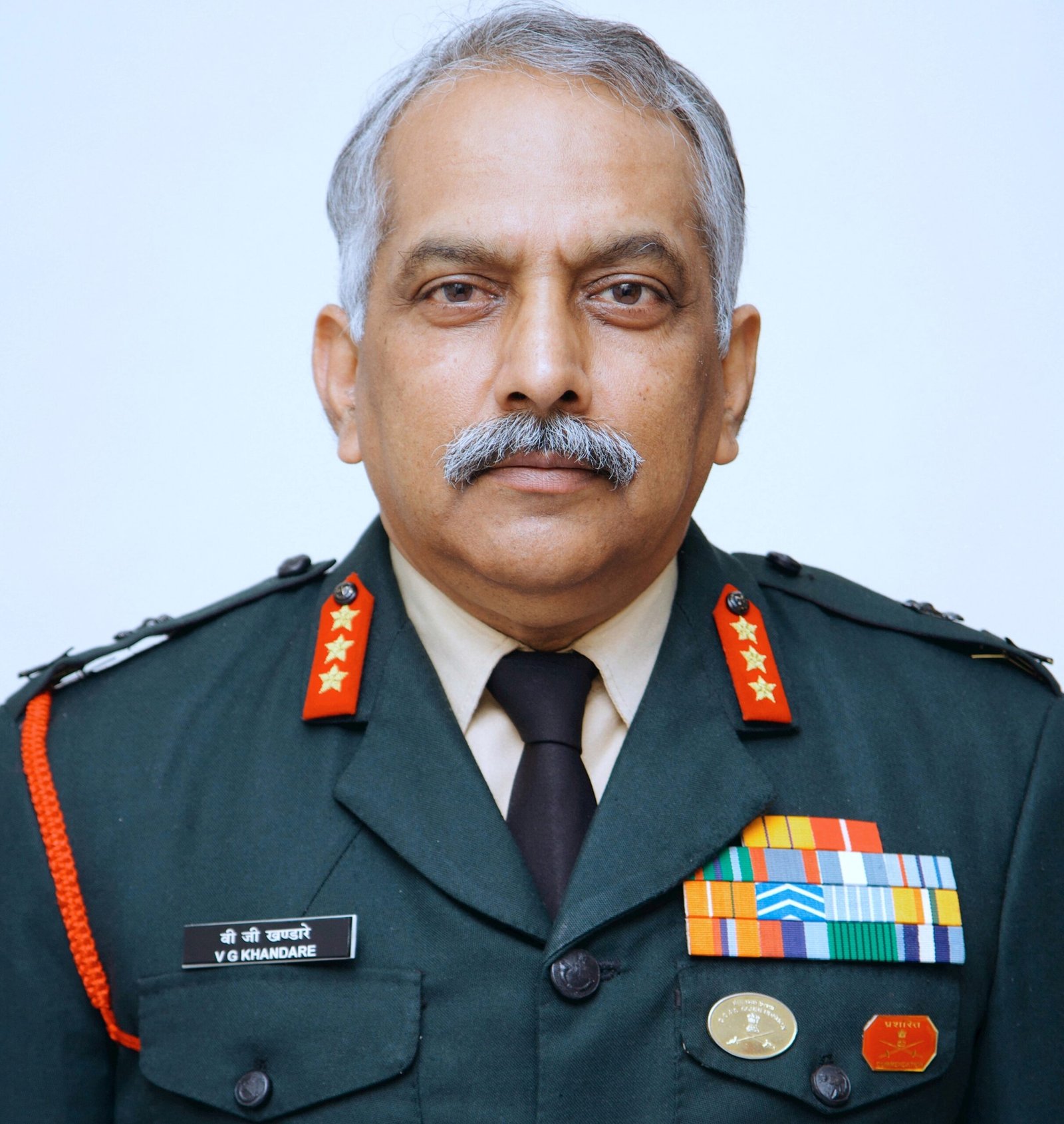
Interview of Lt. Gen Vinod G. Khandare (PVSM, AVSM, SM) Principle Advisor, Ministry of Defence, Govt. of India
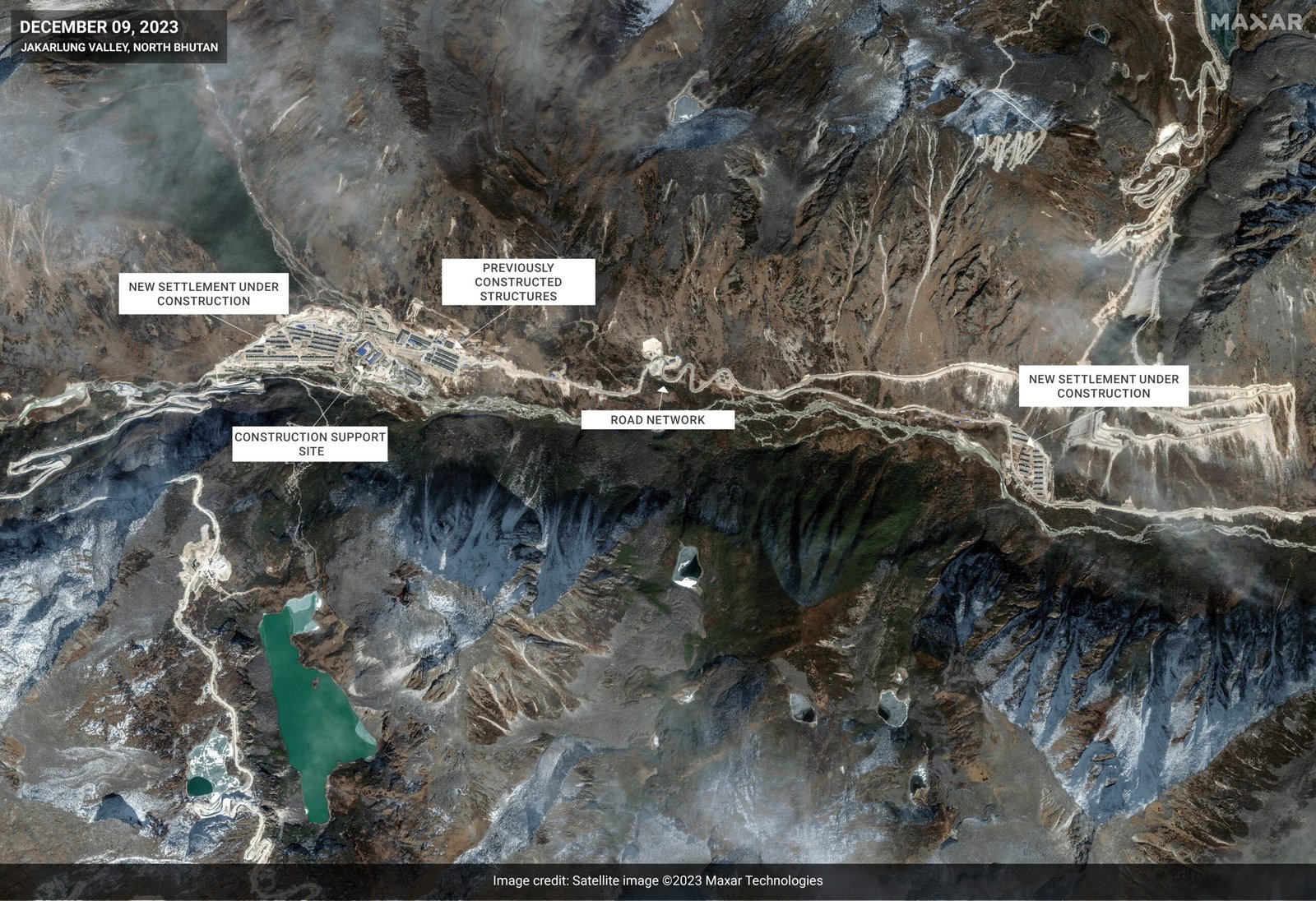
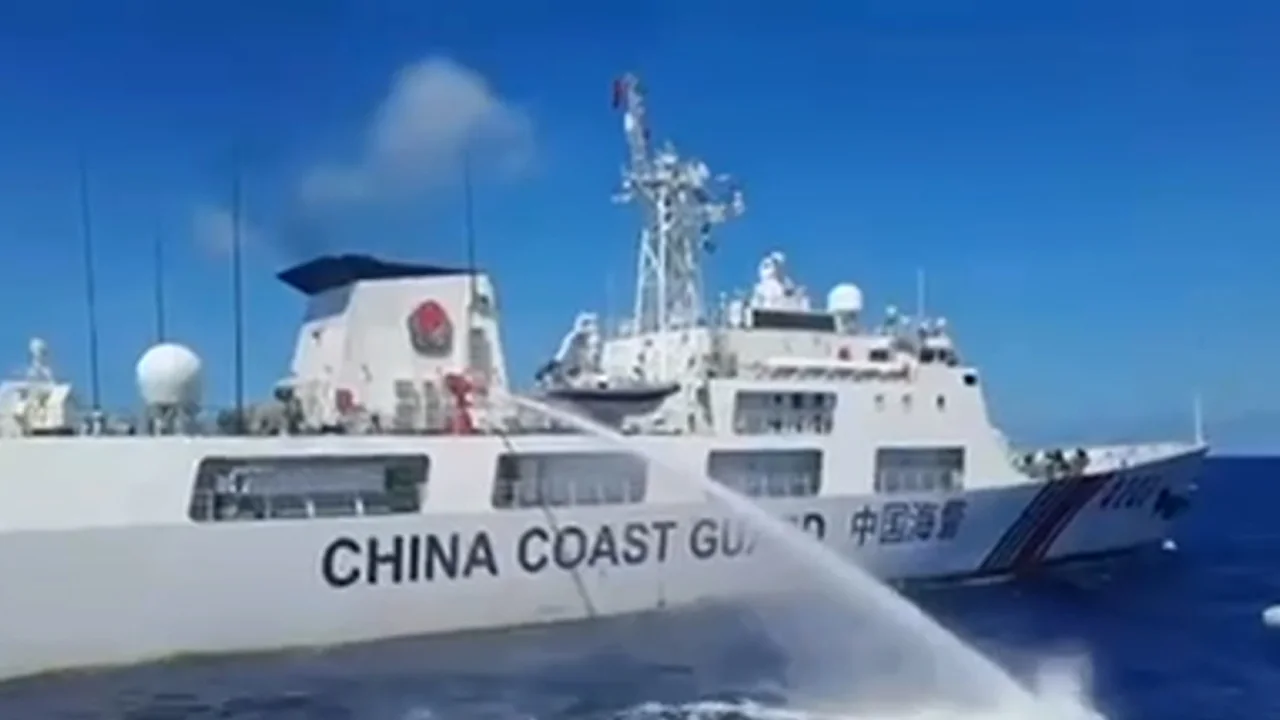
Question: How does enhancing border infrastructure along the border align with India’s broader strategic goals and national security objectives? How do you assess the current state of border infrastructure development along the India-Tibet border, and what areas do you believe require further attention and investment? Answer: Under the Allocation of Business Rules, 1961, the External boundary is to be handled by MEA. And under the Transaction of Business Rules, the Ministry of Home Affairs takes care of the security of borders. And only when there is an unsettled border, the Armed Forces are deployed to secure the same. After 2020, It was impossible to solve the border issues for armed forces or security forces, hence diplomates are dealing with it. Both countries understand that going to war will not benefit anyone, except those who aim to see them regress in terms of economy and development. This is because both countries are currently developing and a war will only set them back by 20 years. The PRC uses the three warfare tactics which are Legal, Psychological and Media Warfare. An example of Legal Warfare can be Tibet where Chinese villages have been settled around the border known as Border Villages. By doing this, the PRC is trying to claim its ancestral connection in Tibet. Another example is the South China dispute, the construction of Artificial Islands in the 9-dash line which was earlier 11-dash line and around the areas close to the mainland. The motive is to take over the jurisdiction of the acquired land and its resources. The PRC is increasing the infrastructure around the border like the road and the railway line like G-318. Some 20 years back, Chinese infrastructure at the border was not good but now it has increased. They have built airfields near the northern and Eastern sectors and the heliports near the Central sector. Question: There came the recent move by the Indian Army to transform the Uttar Bharat (UB) Area, based in Bareilly, into a fully operational corps. Looking ahead, what would be the strategic objectives and priorities for the 18 Corps, and how do you envision its role evolving in response to emerging security dynamics? Answer: Due to the operational void in the independent Brigades of Pitroda and Garhwal, their status is now converted from static to operational. The number of troops are same and the addition made is to give them the authority to fight and protect the area, earlier the troops were in the static formation just to take care of the logistics of the area. They have been given the ‘RESERVE STATUS’. The Chinese reaction to this decision is that the Chinese are worried. Question: How can technological advancements in drones, UAVs, satellite imagery, etc. be leveraged to enhance border security and monitoring along the India-China border? Answer: Mountain Surveillance is a nightmare for civilians as well as for protectors. Fighting at these heights is time-consuming and troops-intensive. It is intense and tough, hence, technology is required for surveillance, Mobility, Communication and Protection. Americans gave us the concept of ISR- Intelligence, Surveillance, and Reconnaissance but it should be first Surveillance, then Reconnaissance of the Stations, roads, etc, and finally Intelligence i.e., SRI. For surveillance Drones, Towers with Cameras and ground-based sensors are used. For Infrastructure, to build roads and convert Bridges into tunnels, tech is required. In any war or conflict bridges and roads are the first casualty. Currently, the roads of the village are built under the Pradhan Mantri Gram Sadak Yojana and the Public Works Department and the Border Roads Organization build roads near the border areas, however, the construction of Roads near the border area should come under one Central agency for quick advancements. Technology is also needed for Weather Forecasting as Bad weather brings bad days and types of equipment are required to penetrate through fog and fight efficiently. Also, Engine Tech for Warfighting Military Hardware for all the different sectors of India. As India’s border has varied border conditions, hence, the hardware should be conditioned for the northern border to work efficiently in the extreme cold weather conditions. Another area where technology plays an important role is Digital Connectivity which should be available around the border for better connectivity. It is important to keep the better flow of information from higher leadership to the ground soldiers. Our PM Narender Modi said, “Border Village will be called as First Village instead of Last Village”. Then it should be treated as one. Commercial satellite communication would help these areas where communication is a challenge. People who live around the border area should be trained to protect their area. Niti Ayog mentioned that the districts with poor connectivity must be the priority to provide better connectivity. Also, technology plays a part in miniaturization, i.e., to reduce the size of antennas for easy transportation and installation at these high-altitude areas. Secondly, in India, we follow a system called L1 i.e., Lowest Bidder. But to suit the ever-changing nature of technology and requirements of the armed forces, it should be the ‘Lowest Bidder – Latest Tech – Secured Source’ (L1-T1-S1). Lastly, it is important to use technology that is clean from security threats, i.e., any technology coming from China or having any traces from China will be a security issue for us, so we should not use such technology. Ministry of Electronics and Information Technology have removed all such hardware or technology that had traces of being produced in China. Also, we need technology in firepower- artillery, guns, fighter jets. One area where India can improve is that there are no Private players that can complement Hindustan Aeronautics Limited in the production of Tejas. The Tejas has demand but only one facility manufactures the same. The supply of Tejas is less than its demand due to manufacturing constraints. In the Maritime domain, we need technology for better preparation. India’s Shipyard building companies can complement each other in manufacturing best-in-class vessels and not just fight each other for tenders. China