ALL PUBLICATIONS

Articles

603 published analyses, newest first.

List of China’s aggressive behavior both across the Himalayas and Taiwan Strait in recent years (since 2019)
ASIAMARCH 3, 2023
145

List of China’s aggressive behavior both across the Himalayas and Taiwan Strait in recent years (since 2019)

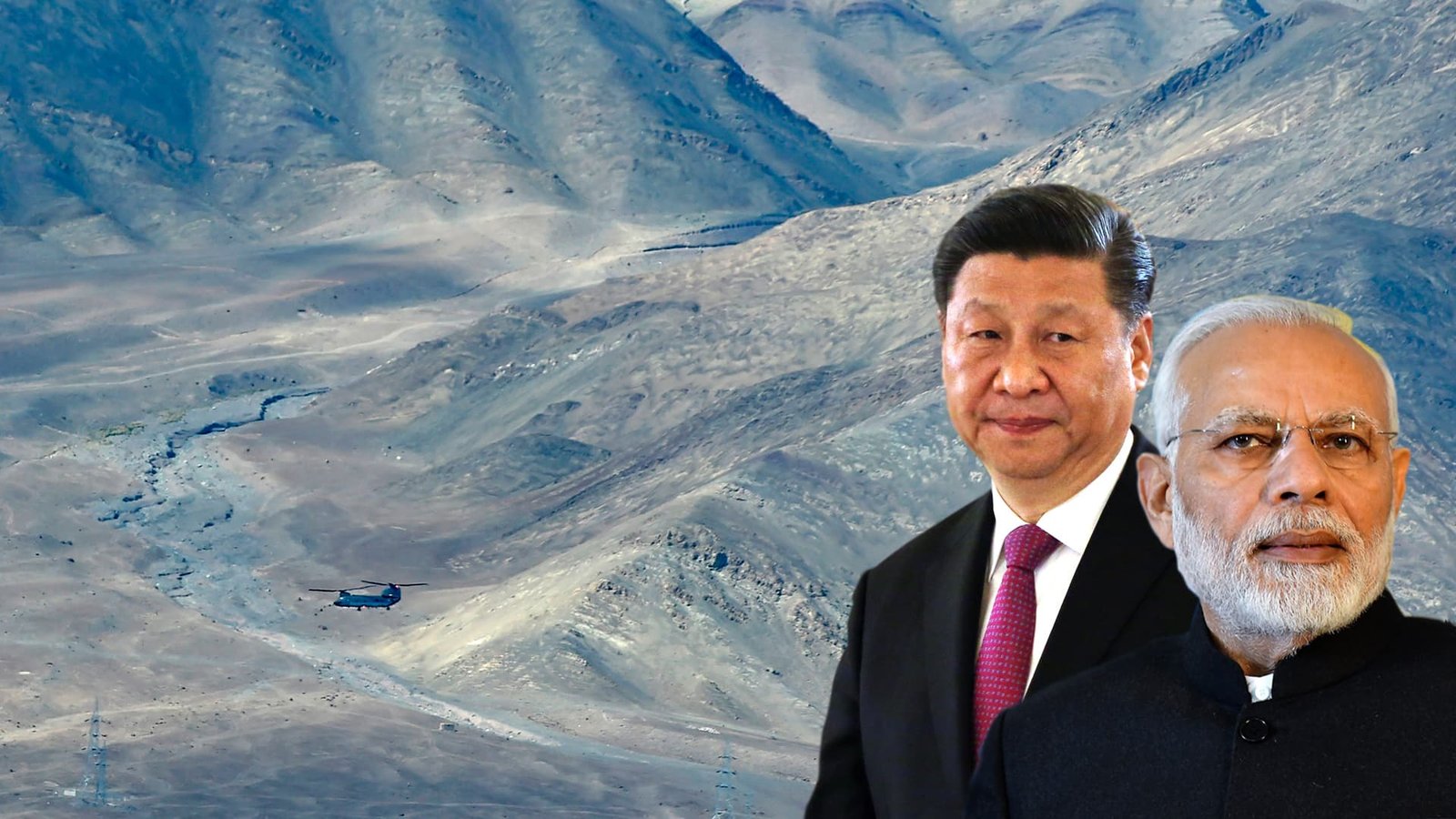
The larger geo-political landscape has witnessed significant changes with the rise of China dividing the world into two spheres — countries siding with China’s domestic order through alliances and partnerships, or countries reacting to its aggression by joining international security mechanisms to control its hegemonic tendencies. In recent times China has forced countries, especially in the Indo-Pacific region and South Asia to rethink their security interests because of its aggressive and encroaching behaviour. In the Himalayan region China has had a rocky relationship with India and Tibet (Chinese autonomous region) since late 1950s preceding to the Sino-Indian War in 1962 and 1967. With these events China in the Himalayan region has always had a presence of a sleeping dragon, lest it awake. Across the Taiwan strait, China has been at crossroads since Taiwan broke away from China in 1945. China has vehemently opposed the ‘two China’ system by not recognising Taiwan’s sovereignty because it believes it has a historical claim over this extended territory and wants to reinforce its dominance by expansion. Since 2019 China has been stealthily manoeuvring both these contentious geopolitical regions in order to reach its goal of displacing America as a global powerhouse and pursue the Chinese government global goal of building “a modern socialist country that is prosperous, strong, democratic, culturally advanced and harmonious” till 2049, set under the ODI’s Global China 2049 initiative. By looking at the ways it has manifested itself across the Himalayan, Taiwan and Indo-Pacific, we can figure our the trends of China’s foreign policy and understand how it sees the world. In the first part, China’s historical claim of the South China Sea under the nine-dash line theory saw territorial disputes occurring with ASEAN countries (Brunei, Cambodia, Indonesia, Lao, Malaysia, Myanmar, Philippines, Singapore, Thailand and Vietnam) as well as Taiwan. There was a major pushback from major powers such as the US for the South China Sea has major trade routes in the world with abundant natural resources and fishing areas on which China was illegally establishing its authority. In the second part and most recently, China’s contemptuous response after the U.S House of Representatives Speaker Nancy Pelosi’s Taiwan trip dictated that China would never let Taiwan go from its nationalist agenda. China’s political and strategic behavior lies on the fact whether the US will deter China from trying to take Taiwan by force leading to global woes and chaos. One can be certain any aggressive decision on Taiwan by China will lead to a destabilized global security architecture affecting every country. In the third part specifically, in examining the Himalayan region, Beijing’s revisionist ambitions have been continuously belligerent in erasing Tibet’s territorial integrity, national sovereignty, regional influence and cultural identity. With the ‘One China’ policy, the Chinese position in Tibet remains confrontational to this day. China’s constant standoffs with India along the LAC border also translates to a more volatile Himalayan region as China desperately tries to assert dominance fearing America’s global dominance. In the fourth part China also hasn’t been cordial to its immediate East Asian neighbors. It’s maritime and land issues with Japan over the Senkaku Islands and Ryukyu Islands have been ongoing along with a conflict over the Socotra Rock (Ieodo) in the East China Sea with South Korea. China’s overreaching ambitions of territorial claims and disbanding of internationally signed peace treaties puts it under a lens of scrutiny and distrust by the world. China says its intention is to only reclaim back of what was once theirs as the territorial area of such countries is ‘illegal’. These conflicts are only expected to rise with increasing geopolitical conflicts with Russia’s war with Ukraine and might lead to China taking an even more aggressive stance. Therefore, a study of China’s approach to foreign policy is important to predict the future of international politics as existing relations are put to a test in the Taiwan and Himalayan region. With China’s ‘wolf-warrior diplomacy’ China’s claim on these regions has been whitewashed and only spoken under terms of China’s national interests in the media. Due to these reasons, the world sees China as a black box. Events Covered: Taiwan: 2022: China’s largest ever military military excise in the air and seas around Taiwan, including the firing of ballistic missiles after Nancy Pelosi, Speaker of the US House of Representatives, visit to the island. 2021: Chinese warplanes made 159 incursions into Taiwan’s air defence zone which is the second-highest month on record as Beijing continues to pile military pressure on the democratic island. 2020: According to Taiwan’s defense minister, the PLA has engaged in 49 military aircraft sorties across the Taiwan Strait median line in 2020, the highest number since 1990. In response, Taiwan conducted its own exercise, deploying its F-16 fighter jets. The United States has stepped up its diplomatic and military support to Taiwan. The U.S. has also agreed to a major arms package for Taiwan worth almost $2 billion. The total package may increase to as much as $5 billion to boost Taiwan’s capacity to defend itself from China. 2018-2019: China Holds Long-Range Air Combat Drill Near Taiwan with Su-35 Fighters Over Bashi Channel for the first time. Himalayan Strait and India: 2022: The India-China Tawang crisis came as a consequence of military face off at the Yangtse valley in Arunachal Paresh. The entire state itself, and within it, Tawang, are areas of serious contestation between India and China. 2021: Another face-off at Naku La in north Sikkim, an Indian state sandwiched between Bhutan and Nepal, east of the Ladakh area left troops injured on both sides. This was followed by the deadly Galwan Valley clash. 2020: Ladakh’s Galwan Valley in the Pangong Tso area witnessed a violent clash between the Armies of India and China. The clash, in which 20 Indian soldiers were killed, was one of the worst in 45 years, and led to a military standoff with China and at least 11 rounds of military talks for the disengagement process. 2019: Chinese third White paper on Tibet in the
TR
Team Red Lantern AnalyticaAnalyst
arrow_outward
Statement on Russia Suspending the New START
MEDIA COVERAGEMARCH 2, 2023
146

Statement on Russia Suspending the New START

Russia’s participation in the ‘New Strategic Arms Reduction Treaty’ (New START) has been “suspended” according to Vladimir Putin, the president of Russia. As the Russia-Ukraine war approaches its first anniversary, this declaration is worrisome for global arms control and non-proliferation efforts. The New START is an upgraded version of the Strategic Arms Limitation Talks (SALT) and START I and II agreements. It is the only remaining arms reduction treaty between the former Cold War enemies that limits the number of nuclear warheads that can be deployed by Russia and the United States to 1550. With the suspension from Russia, formal mechanisms like data sharing, verification, and routine inspections which are essential for transparency, stability, and predictability in a nuclear partnership on both sides—cannot take place. Russia said that it couldn’t conduct inspections on American soil because of Western sanctions, like closing American airspace to Russian planes and making it harder for Russians to get visas. The real reason, however is evident, that being the United States and NATO’s support to Ukraine. This is not the first time Mr. Putin has used nuclear threats during the Ukraine conflict, but this time, he is attempting to instill fear in the West about what he may do if they continue to back Ukraine. Even while he has stated that Russia will not expand its strategic nuclear weapons beyond the current New START limits, these are empty words that no one can believe upon. In addition to the possibility of a buildup of nuclear weapons, the suspension calls for a potential “free-for-all” nuclear arms race, which is as terrifying as it sounds. If not stopped, this may instigate countries such as Russia and China to speed up on nuclear warhead production. The most dangerous weapons ever created by humans are nuclear bombs. One single nuclear bomb may destroy an entire city in a matter of seconds, killing millions and destroying the natural environment and the lives of future generations. Due to the inherent threats posed by such weapons, it is crucial that international agreements like the New START be adhered to. Even though nuclear weapons have only been deployed twice, in the 1945 bombings of Hiroshima and Nagasaki, around 13,400 nuclear warheads supposedly remain in the world today, and more than 2,000 nuclear tests have been undertaken. We will like to remind that Disarmament is the best defense against such threats, but achieving this objective has proven to be a formidable obstacle in a world where mistrust and insecurity between nations are increasing daily. We call upon the premiers of all the countries including Mr. Putin to avoid giving comments that can be detrimental to the world peace.

TR
Team Red Lantern AnalyticaAnalyst
arrow_outward
Book Review: Foreign Policy Making in Taiwan: From Principle to Pragmatism by Dennis Van Hickey
ASIAFEBRUARY 21, 2023
147

Book Review: Foreign Policy Making in Taiwan: From Principle to Pragmatism by Dennis Van Hickey

The book under review i.e. foreign policy making in Taiwan was published in 2007 and has its background rooted in controversial election of 2004 that resulted in victory of Chen Sui-Ban. Understanding Taiwan had never been that easy. Moreover, in years when ambiguity over political issues among Taiwanese citizens is rising explaining the Taiwan issue had become more complex, particularly the external relations of Taiwan. In spite of this, Dennis V. Hickey, has presented an uncomplicated, well researched but brief study to explain foreign policy making in Taiwan. This study was based on both primary and secondary sources including author’s direct interview with both Chinese and Taiwanese, politicians and academicians. Unlike other authors who take single theoretical approach, Hickey took a multidimensional approach to examine changing foreign policy of Taiwan. He analyzed the phenomenon by looking through four different factors that in one way or the other shapes a state’s foreign policy. Prior to explaining the four factors, the international system, government structure, societal forces and presidential factors, author gave a historical overview of Taiwan’s foreign policy. In this chapter he clearly divided Taiwan’s foreign policy in three phases, phase one: the golden era from (1950-71), phase two: diplomatic isolation (1971-1988), phase three: pragmatic diplomacy. Later author took the help of these phase division, to examine the influence of four factors in evolution of Chinese foreign policy. Author, first analyses the impact of international system and the behavior of other states in foreign policy making of Taiwan. Being a shrimp among whales, Taiwan’s foreign policy was highly accommodative with changing international system. It not only defended itself from Chinese communist threat but also remained the member of UN till 1971. Later, it did compromise with its de-jure independence but still maintains its de facto independence with the support of US and as result of contemporary world politics. Despite being highly influenced by the international system and external factors; internal factors also played a major role in shaping Taiwan’s foreign policy. Moreover, the influence of internal factors has increased after the democratization. Now, government system is more concerned about public consensus and its entire organ once that was directly dictated by the president has a role to play. As author writes in pages 61, “Foreign policy issues are subject to widespread discussion and debate and the island’s voters hold decision makers accountable for their actions”. Continuing the argument further, Author in its next chapter discusses the societal influence over Taiwanese foreign policy, He argues that these days, along with political parties Taiwan’s the island’s interest groups, think-tanks, media and public contribute indirectly in shaping Taiwan’s external relations. Beside all the above mentioned factors, the role of president becomes essential component to be analysed, considering the fact that a leader’s values, beliefs, personalities, cultural baggage and perceptions can heavily impact the foreign policy outcome of a state. Author, discussed the foreign policy under each and every president to show how each president’s leadership style has shaped Taiwan’s foreign policy behavior. Alongside before discussing that author also gave theoretical explanation of individual’s role in determining foreign policy. Use of examples of both pragmatic and crusader leaders of world like Wilson, Hitler, Fidel Castro, Nixon and Mohammad Khamani made it easy to understand the theory. (Page 79) At the end author has put forwarded his own analysis giving some alternate explanations and figuring out the challenges and opportunities for Taiwan’s foreign policy. Despite being a good research work, I would like to submit some minor complains. Most prominent complain being the interview, author did not interview any KMT law makers, KMT being the longest ruling party and major opposition could have contributed a more neutral and detailed research of Taiwan’s foreign policy. Moving ahead, no unidimensional approach can explain Taiwan’s foreign policy and author did consider this fact. However, certain factor could have been more elaborate for example the government and system did not discuss the role of any institution in much detail. Besides, while discussing the political party the author missed to provide the detailed stand of different political parties over foreign policy. Along with this some of the sections have been a bit confusing for example the diplomatic isolation phase discussed more on informal alliance of Taiwan and not much of formal alienation of Taiwan (page 11 and 12). In addition to these at the end, a book easing the ambiguity over Taiwan left the reader with ambiguity over usage the 30 page constitution that is attached as appendix in the book, as it has never been referred in entire analysis and in last if an edited version of book comes I would like to read section on the role of social media section in the chapter of ‘societal influences and foreign policy’ as it has really became one of the most impactful platform influencing the policies and elections of various countries all around the world. Keeping aside all this negligible constraints, this book is a great contribution of Dennis V. Hickey in the field of Taiwanese foreign policy. He not only discussed the all factors but also provided the theoretical explanations behind that. It can be used as reference to any study research focused on Taiwan’s foreign policy, cross strait relations, US-China relation and even the politics in East Asia. Moreover, it should be a must read for anyone interested in studying the foreign policy of Taiwan. Abhishek Ranjan Centre for East Asian Studies School of International Studies, JNU

TR
Team Red Lantern AnalyticaAnalyst
arrow_outward
India-Cyprus relations
UNTRADITIONAL SECURITYFEBRUARY 16, 2023
148

India-Cyprus relations

India and Cyprus bilateral ties date back to more than half a century, when India, under the leadership of Pandit Jawaharlal Nehru, supported Archbishop Makarios against the bane of British colonialism. On 10 February 1962, two years after Cyprus became independent, diplomatic ties were established between the two nations. Since then, both the nations have supported each other in their bid to realize the dreams and aspirations of their people for nationhood and self-determination. At the international arena, Cyprus has supported India’s candidature as a permanent member of the UN Security Council. Within the Nuclear Supplier Group (NSG) and the International Atomic Energy Agency (IAEA), Cyprus has also extended support to the India-US Civil Nuclear Agreement, thereby benefiting India in its quest for expanding its energy requirements and propelling its economic growth initiatives. In the EU also, Cyprus supports India by further strengthening the India-EU relationship under the foundation of their strategic partnership. Since its inception, three Indian Generals served as the Commanders of the UN forces in Cyprus, leading it to recognize the prominent and stabilizing role India played in contributing to the global affairs, particularly for its participation in UN peacekeeping missions throughout the world, and ensuring peace and security in South Asia. A number of diplomatic measures and visits have taken place between the two nations during the years. For example, the decision to constitute a high-level ministerial dialogue was taken during the visit of former President Papadopoulos to India in April 2006. To solidify and strengthen the relationship, then Minister of External Affairs of India, P. Mukherjee, visited Cyprus in May 2007. Another mechanism for addressing regular exchanges was established under the Protocol of Political Consultations signed in Nicosia, in March 2001. More recently, in February 2021, External Affairs Minister, Dr. S. Jaishankar had a virtual meeting with the then Minister of Foreign Affairs, RoC, Mr. Nikos Christodoulides, under which both sides appreciated the upward trajectory witnessed in the bilateral ties and resolved to further expand people to people ties, economic cooperation and continue with the high level exchanges. Similarly, External Affairs Minister, Dr. S. Jaishankar had a bilateral meeting with the present Minister of Foreign Affairs, RoC, Mr. Ioannis Kasoulides at the sidelines of CHOGM 2022 in Kigali, Rwanda on 23 June 2022 and at the sidelines of 77th UNGA in New York on 24 September 2022. During the same year, in his visit to Cyprus, Dr S Jaishankar signed an agreement on Defense and military cooperation, another Letter of Intent on immigration and mobility, as well as the agreement on Cyprus joining the International Solar Alliance (ISA). During 18-19 November 2022, Mr. Nicos Nouris, Interior Minister of RoC visited India to attend the 3rd Ministerial Conference on Counter Terrorism, “No Money for Terror ”, during which he had a bilateral meeting with Mr. Nitya Nand Rai, Minister of State for Home Affairs of India while discussing the migration issue. As far as economic arena is concerned, the Cyprus-India Joint Committee on Economic, Scientific, Technical and Industrial Cooperation, established within the framework of the Indo-Cyprus Agreement for Economic, Scientific, Technical and Industrial Cooperation (signed on 13 April 1989 and modified on 6 October 2006) governs the bilateral economic exchanges. According to the Ministry of Indian Foreign Affairs, the economic and commercial relations can be further bolstered in that Cyprus is a major business destination which can provide highly developed infrastructure, favorable FDI and taxation regimes combined with a communication and investment framework that holds one of the world’s most efficient legal, financial and insurance services to Indian businesses in fields such as information technology, biotechnology and pharmaceuticals. In most sectors of the Cyprus economy, there are no limitations as to the overseas participation percentage and the minimum level of investment, making it ideal for establishing Indian businesses as there are simplified administrative procedures and virtually no bureaucratic intervention. On May 1 2008, the agreement on Abolition of Visa Requirement for Holders of Diplomatic, Official or Service Passport came into effect, making it easy for the two nations to encourage people-to-people contacts and business as well as cultural and tourism development. In 1990, the Agreement on Cultural Cooperation was signed between the two nations to strengthen the educational, scientific and cultural cooperation between the two nations. For example, Cyprus has been able to showcase its cultural heritage in India through the showcasing of various cultural events such as the European Cultural Weeks in India, European Film Festivals in India and Europe Day celebrations, along with separate film festivals, photographic exhibitions etc. On the Centenary Birth Anniversary of Mahatma Gandhi, a bust of Mahatma Gandhi was installed in the garden of the Parliament of RoC in July 1972 and the avenue in front of the bust was named as “Jawaharlal Nehru Avenue” in 1983. In light of the political and economic developments that have taken place between the two nations over the years, there is much to be celebrated about; in the common historical and democratic values we share and the opportunities that both the nations can provide in strengthening each other’s economic and political growth and development.

TR
Team Red Lantern AnalyticaAnalyst
arrow_outward
Let the “Aryan” Debate become a Debate again
UNTRADITIONAL SECURITYFEBRUARY 15, 2023
149

Let the “Aryan” Debate become a Debate again

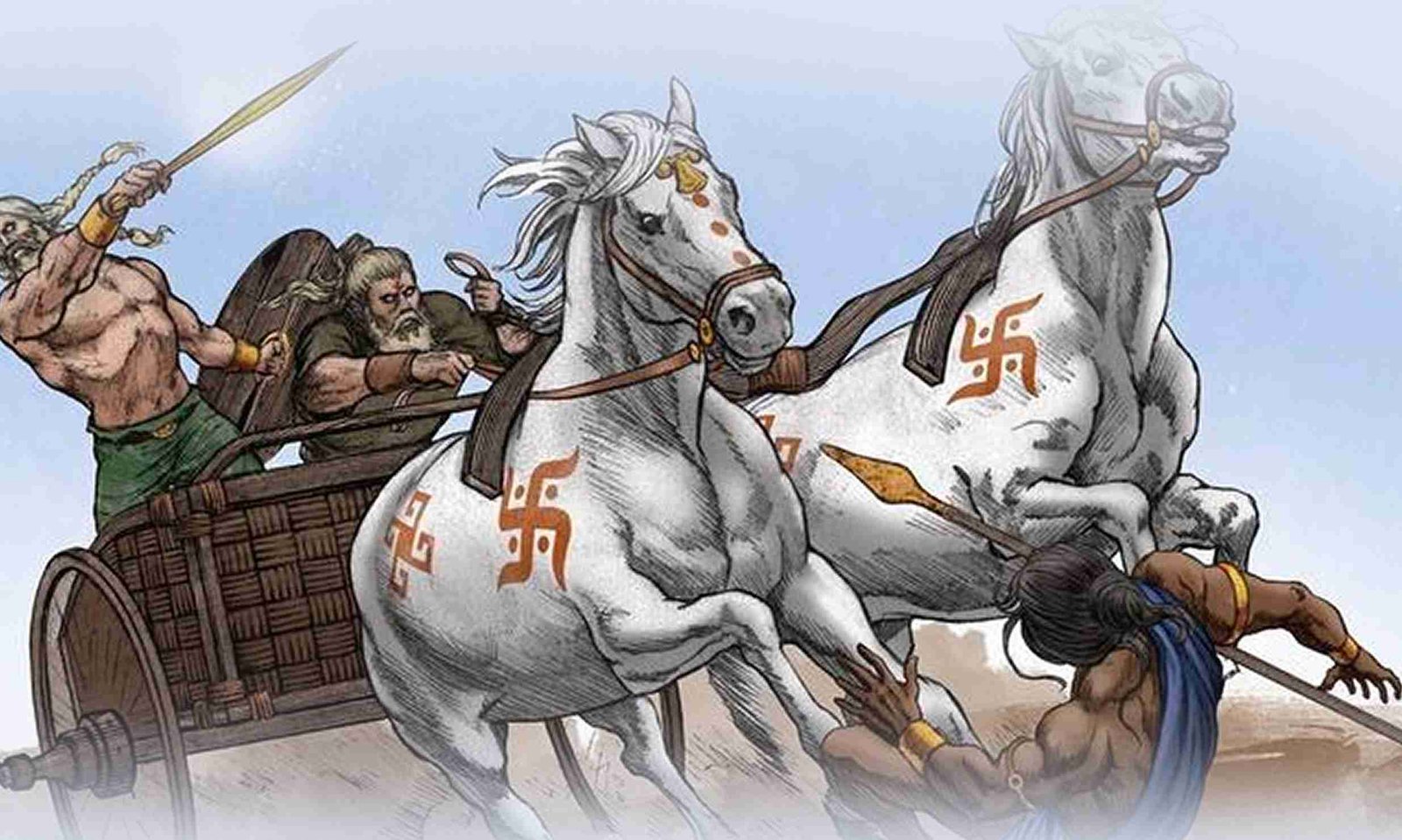
The last thirty years, there have been plenty of lectures, papers and now online videos promising to “debunk the Aryan Invasion Theory” (AIT). Their impact has been very poor, essentially limited to Hindu students, not even Hindu politicians. But outsiders, particularly the champions of that same AIT, have barely noticed this wave of attempted refutations, and certainly haven’t felt moved by them to rethink their assumptions. Let us first get our terminology straight. Squeamish AIT scholars are making everyone toe their line that instead of an “invasion” there was an “immigration”. They have to, for unlike in Europe, where the “Aryan” (meaning Indo-European-speaking, IE) invasion from the steppes ca. 2800 BCE was a dramatic and sometimes genocidal event, India presents no evidence at all of such foreign conquest in the period considered. So they shifted to the thesis of a subtle infiltration under the archaeological radar, yet revolutionary in its impact: unlike the Scythians, Greeks, Huns or Kushanas, these intruders succeeded in not just conserving their language and religion, but imposing both on the far more numerous natives. Well, the word “invasion” is not about the means used, but the resulting power equation: it’s an “immigration” if the foreigners adapt, but an “invasion” if they take power. And this is clearly what the supposed Aryan invaders did. So it was definitely an invasion, but we won’t insist: even with an “immigration”, it remains the “AIT”. The IE language family was discovered by a French Jesuit living in South India, Gaston-Laurent Coeurdoux. In 1767, he sent a paper to the Academy in Paris in which he showed the close kinship of Sanskrit with Latin and Greek. The French freethinker Voltaire soon publicized it and concluded that European culture and its treasures had originated on the banks of the Ganga. This was taken over by other leading intellectuals like Immanuel Kant, and note that they spontaneously assumed India as the land of origin of the IE family. The Out-of-India Theory (OIT) is not a recent “concoction” by Hindu Nationalists, as widely alleged, but was thought up by 18th-century Europeans. In India, the new insight was given currency by justice William Jones speaking in Kolkata 1786. Note about his speech what admiration he expresses for the Sanskrit language, deemed superior to Latin and Greek. Indomania was widespread at the time, best represented by Friedrich Schlegel’s 1808 book Language and Wisdom of the Indians. This goes completely against the widespread Hindu rumour that IE linguistics stemmed from “racist colonialism”. Most of India was not a colony yet, and the heyday of racial thought contaminating “Aryan” studies had yet to arrive. However, another consideration started to undermine the dominant position of the OIT. Linguists realized that Sanskrit was not the mother but merely an elder sister of the other branches. There was a distance between the putative language of origin (Proto-Indo-European, PIE) and Vedic Sanskrit, and this translated into a possible distance between the Homeland and India. Not really compelling logic, for languages can evolve while staying in the same place; but this change of opinion won through. What made the scales tip was probably August Schlegel’s proposal in 1834 that the Homeland lay in or near the Caucasus mountains. Bible-thumpers had already thought of Armenia, where Noah’s Ark had landed: the Aryans were deemed the descendants of Noah’s son Jafeth. Successive Homeland theories after this would rarely move away sharply from the Caucasus area. Since Gordon Childe’s choice in 1926 for the Don-Volga region, this area has mostly remained the favourite, today known as the Yamnaya (“pit-grave”) culture. But the OIT school did not give up. The defence was taken up again by Europeans living in India. The most prominent and surprising figure here is Mountstuart Elphinstone, a proverbial colonialist. After his retirement as governor of Bombay, he wrote a History of India. Among his arguments, the most compelling is that no Hindu scripture gives any indication of a foreign origin: “There is no reason whatever for thinking that the Hindus ever inhabited any country but their present.” (1841) Yet this could not save the OIT. In the mid-19th century, two developments served as nails in its coffin. One was the start of Linguistic Paleontology, the “science” of discovering a language’s habitat from its vocabulary. Thus, it was realized that PIE flourished in a society familiar with wheeled transport: six words for the cart and its parts exist throughout the daughter languages and must have existed in PIE. Now for the Homeland question, it was deemed significant that there were words for cold-climate species like birch tree, wolf and bear. This doesn’t really refute the idea of an Indian Homeland, for these species also occur in India, which has islands of cold climate. Recently, OIT mastermind Shrikant Talageri has shown that hot-climate species like ape, lion and elephant are equally present in the PIE lexicon, and they are hard to reconcile with a northern climate zone. But back then, the exclusion of India as a Homeland candidate won the day. The other factor was the appearance of Veda translations which followed the then-emerging racial paradigm. Thus, in the Rg-Vedic description of the Battle of the Ten Kings, it was commonly pretended that the enemies were “black aboriginals”. In reality, the names of the kings and of their tribes (most notably Dâsa, Dasyu) are recognizably Iranian, and their characterization as “the black tribe” is a mistranslation. The word Asiknī does not refer to a skin colour, but to the area they come from, the basin of “the Black River”, the Vedic name of the Chenab. This way, several racialist distortions, perhaps made in good faith because of the racialist Zeitgeist, created the impression that an Aryan invasion into India had been described by the Vedic composers themselves. It thus became futile to deny the AIT. The ensuing political abuse of the AIT by the British colonialists and even by the National-Socialists could not inspire the Indo-Europeanists to a rethink. After 1945, the “Aryan” political

TR
Team Red Lantern AnalyticaAnalyst
arrow_outward
Almaty Digital Forum 2023: Exploring the scope for Digital partnership in Changing World
UNTRADITIONAL SECURITYFEBRUARY 7, 2023
150

Almaty Digital Forum 2023: Exploring the scope for Digital partnership in Changing World

Digitalization is a force for change and a major driver of globalisation. The usage of digital technology in everyday life, such as the internet and smartphones, has made information access and processing more efficient, timely, and accurate. It has now become a worldwide phenomenon. Since 2005, developing nations’ global internet user base has increased exponentially. It would be surprising to note that more people now have access to digital technology than to secondary education or clean water. On the business front, digital business growth has become a worldwide trend. Businesses employ internet-based digital technology for research and development, manufacturing, and delivery of goods and services. This not only increases the possibility for commercial growth but also creates jobs. However, digitalization has permeated numerous activities, and practically all of them might be classified as part of a larger definition of the digital economy. Global finance is likewise being transformed by digitalization. Digital fundraising platforms generate new financial market platforms and enable more direct funding, including cross-border financing, without the need for traditional intermediaries. These digital global finance drivers are beginning to undermine the monopoly of traditional intermediaries, such as banks, in providing international money. Kazakhstan has been a pioneer in the post-Soviet era’s digital development. International organizations have taken note of Kazakhstan’s progress in the digitalization sector. Considering the importance of the digitalization process in a globalized world, Kazakhstan, the largest Central Asian nation with the highest economic growth in the region, has initiated to hold an annual Almaty Digital Forum. On 2-3 February 2023, the fifth edition of this annual forum was held in Almaty. The forum’s agenda included 20-panel discussions attended by almost 150 speakers from the international and Kazakh IT communities. Over 15,000 participants from 30 nations participated in the event. This forum offers a valuable platform for the country’s youngsters to demonstrate understanding. As we all know, the youth are the World’s future. Thus, technological and digital advancement in all sectors of society is essential. Almaty digital forum has a lot of promise in this sense. The discussions centered on the rapid shift of industries from automation to digitalization, opportunities for digital mining, robotization applications, and the growth of the Eurasian IT sector. The heads of governments of Eurasian Economic Union (EAEU) member nations have also attended the Digital Almaty forum’s plenary meeting. The forum focused on developing long-term digital infrastructure and innovative telecommunications technologies. In his speech at the forum, the Prime minister of the republic of Kazakhstan Mr. Alikhan Smailov, emphasized that digitalization is a key component in providing equal opportunity and fairness for all people of the country. In other words, digital development aids in overcoming the societal challenges present in practically all EAEU nations. His views on the subject are fully reinforced by the country’s continuing reforms, which seek a just and fair Kazakhstan. His counterparts from the other member countries of the EAEU also highlighted the importance of digitalization and innovation in today’s rapidly changing environment. The forum also looked at how digitalization could strengthen the socio-economic condition of women in society. Most businesswomen own and operate small and medium-sized enterprises. Lyazzat Ramazanova, vice chair of the National Commission for Women, Family, and Demographic Policy, observed this remarkable growth of female business in Kazakhstan. According to Aset Turyssov, vice minister of digital development, innovation, and aerospace industry, Kazakhstan encourages women by making it easier for them to use socialized public services. He mentioned how the service is doing more to assist women. The Almaty Digital Forum offers a distinctive platform for entrepreneurs from like-minded nations to present their work. It also creates opportunities for more cooperation to advance this industry. The Almaty Digital Forum might offer some real solutions to digitalization issues, such as cyber security, etc. In this sense, the forum has a lot of potentials. Author: Dr Pravesh Kumar Gupta Associate fellow VIF

TR
Team Red Lantern AnalyticaAnalyst
arrow_outward
Statement on Turkey Becoming a Safe Haven for Criminals Under Erdoğan
COMMENTARIESFEBRUARY 4, 2023
151

Statement on Turkey Becoming a Safe Haven for Criminals Under Erdoğan

According to the Global Organised Crime Index 2021, “Turkey has become known as the Mafia state and evidence suggests that this is the case now more than ever.” Turkey was ranked 12th worst country in the world, even worse than Syria. It was reported that organised crime and state embedded individuals have extremely strong and complex links, dating back to many decades and continuing to today. President Recep Tayyip Erdoğan’s government often leverages certain criminal markets such as gold and oil trade, human smuggling and arms trafficking for its own benefit and political purposes. Latest reports point out that the extent of such criminal activities has increased so much so that the country has become a safe haven for crime bosses from the region and beyond – due to lack of legislation and inadequate action by the Erdoğan government. A wave of foreign mobster violence is increasing in Turkey with journalists reporting that upscale restaurants in Istanbul and Antalya have become meeting points of the Russian speaking Mafia, involving Russian, Georgian, Azerbaijani and other gangs. The purpose of their meetings is not restricted to make important decisions and have such discussions but also for rituals to ‘coronate’ senior mobsters as “thief-in-law” – a status of authority over others who are ranked lower. A main reason for such crimes thriving in Turkey is lax legislation which makes it easy and attractive for criminals to enter the country and obtain residence permits. Turkey introduced a law which allows a foreigner to gain citizenship just by investing $400,000 into real estate which leads to a lot of black money entering into Turkey along with these crime bosses who then foster ties with bureaucrats, police and politicians, and even set up companies with locals to launder money. Turkey does not even have proper agreements on the extradition of criminals with countries. In a report published in August 2021, the Stockholm Centre for Freedom detailed how Turkish government under Erdoğan has abused INTERPOL in various ways. Crimes in Turkey ranges from illegal trade to human trafficking to drugs smuggling to forced labour. Under Erdoğan, Turkey has become a key player in transnational markets of crime. Criminals all over Europe are not ‘migrating’ but ‘fleeing’ to Turkey and then live in relaxed environments to run their operations.

TR
Team Red Lantern AnalyticaAnalyst
arrow_outward
Pak Peace Offer: Theatre of the absurd
UNTRADITIONAL SECURITYJANUARY 29, 2023
152

Pak Peace Offer: Theatre of the absurd

Pakistan has been meticulously and systematically regular at its dramatic peace overtures to India, more so since May 2014 when India saw a new and essentially nationalistic leadership in the centre. Pakistan’s latest edition of peace rhetoric came from no less than its Prime Minister Shehbaz Sharif who in an interview (during his recent visit to the UAE) to a local media outlet, not only underscored the significance of normalized relations between India and Pakistan but a bit shockingly, even cited the need for Pakistan to learn lessons from its past three wars with India. This peace overture which might have been an outcome of the UAE leadership’s pro-regional stability counsel (to Pakistan) anchored in geopolitical pragmatism, fell through in no time as was evident from soon-released ‘correction’ statement from Pakistan’s PMO, reiterating conditionalities for bilateral talks to resume, i.e, restoration of article 370 in J&K and cessation of alleged human rights violations in Kashmir. This quick crumbling of the so-called peace gesture however lays bare following three elements for strategic analysts to examine: First, the gesture was more of an on the spur of the moment idea than one rooted in deep consideration of the ground realities. Even Sharif’s alliance partner, the PPP, often credited for being a permanent player of the establishment, didn’t seem to be on the same page. Not long before the latest overture, had we heard Pakistan’s own Foreign Minister Bilawal Bhutto making uncivilised remarks against the Indian PM during his visit to the U.S. that New Delhi went on to describe as a “new low, even for Pakistan.” Calling the Indian PM a butcher (in the context of 2002 Gujarat riots), Bilawal had defied all diplomatic finesse and granularities. And days after Shehbaz Sharif talking peace in the UAE, Pak Deputy FM Hina Rabbani in Davos (Switzerland) displayed bluntness that’s kind of rare for a seasoned diplomat, she openly argued against peace talks with India, claiming she did not see a peace partner in Indian PM Narendra Modi. Now, how could Pakistan PM bat openly in favor of peace when his own allies in the government are not on board or when Pakistan’s own political environment is as volatile as it could get. Was Sharif not at his worst in terms of political maturity? Making his statement just another gimmick aimed at the international audience. Secondly, the episode has made intent of the country’s powerful military establishment clear. Unlike his predecessor Qamar Bajwa, the current Pak Army Chief Asim Munir does not seem to be very enthusiastic about peace. A hurriedly-issued statement from PMO correcting PM Shehbaz Sharif’s blooper, has an obvious stamp of the establishment which had been left embarrassed with Sharif acknowledging Pakistan’s multiple military defeats to India. There is no denying that Shehbaz Sharif’s urge to learn lessons from the past three wars with India has not gone down well with the deep state. Asim Munir, considered more radical than most of Pakistan’s recent army chiefs, was the one during whose tenure, a gruesome terror strike had taken place in Pulwama in early 2019. As DGMI, he had shown a more aggressive approach against India vis-a-vis Kashmir and his open threat to India during his recent visit to PoJK also says a lot about his approach. This stance of the establishment under Munir contrasts with that of his predecessor Bajwa who had tactically taken a pro-peace stance from 2021 onwards. Bajwa’s peace rhetoric at two editions of Islamabad Dialogue (March 2021 and April 2022) had struck a new note in the bilateral matrix. Ironically, Imran Khan-led regime had stopped in tracks due to a politically-constrained environment. Now, with a hardliner Asim Munir in the saddle, the path to peace is not a purple patch anymore. Munir has additionally been burdened with re-establishing military’s predominance as the final arbiter of the country’s destiny, by reuniting an army which now has pro- and anti-Imran factions, pro- Taliban and anti-Taliban groups and is also said to be divided on Pakistan’s India policy, keeping him too busy in domestic turmoil too. Thirdly, we need to understand how peace overtures from Pakistan are always timed. One, they usually come when Pakistan is in a tight spot. Currently, Pakistan needs strategic breathing space. Terror attacks from home-grown terror outfits are on the rise alarmingly and the interplay with the Afghan Taliban hasn’t gone down the anticipated way. Issues with Iran are also on the boil. Two, as for Pak’s economic imbroglio, there is no respite around the corner. CPEC is another fiasco that has led to enormous debt for a forex-starved country. Bailouts from global donors are attached with stringent conditionalities. Inflation numbers are at an all time high. Amidst all of this, Pakistan can ill afford to stoke conflict with India. And this is understandably why the ceasefire is more or less holding out from early 2021. Three, more and more countries are now realising the importance of maintaining a good relationship with India both in economic and strategic terms. Middle Eastern countries like the UAE and Saudi Arabia are looking to diversify their economies and rightly want to tap Indian potential for the same. Kashmir or for that matter, Islamic ideals, take a back seat when realistic considerations acquire preeminence. Hence, we have seen the role of the UAE in the recent past behind pushing back-channel talks between India and Pakistan. Even the renewal of the ceasefire agreement in Feb 2021 is understood to be an outcome of the UAE mediation. And last, one may ask how should India respond to such a gesture of peace from Pakistan? The best response will be to leave Pakistan to Pakistan and not offer it any breathing space. Let Pakistan’s economy collapse, crisis worsen because a resilient Pakistan has always been a bigger nuisance. India has shown this intent by sending a notice to Pakistan seeking modification of the Indus Water Treaty. This will work as another pressure tool to corner a rogue country in strategic terms.

TR
Team Red Lantern AnalyticaAnalyst
arrow_outward
The US-China rivalry, Cold War or cold war?
ASIAJANUARY 17, 2023
153

The US-China rivalry, Cold War or cold war?

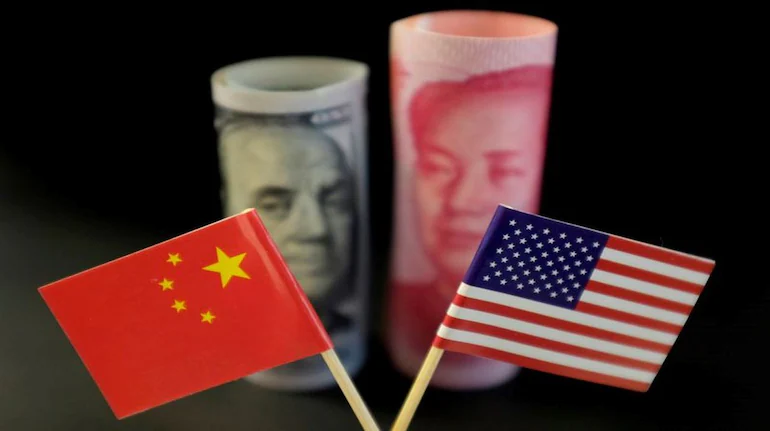
Scholars differentiate between the terms Cold War and cold war to distinguish between what might seem like a regular cold war (i.e., the rivalry between two countries which is quite normal in international relations) and the Cold War between the USA and Russia. Moreover, it makes sense, especially today, when many view the USA-China rivalry through the lens of the cold war and try to draw an analogy with the US-Russia Cold War. A cold war is one manifestation of the long-duration rivalry between states, and the USA- China rivalry is further one manifestation of this cold war; hence, many find it unsuitable to use ‘Cold War’; instead, they prefer sticking to just the cold war. Many leaders might even deny any cold war between the two countries to cool things down, but it is also quite evident that a new cold war is brewing between them, and it was long ago predicted, looking at China’s rise. Every country that rises to the extent of becoming a superpower would threaten the existing superpower. Obviously, China has not reached that stage yet and has a long way to go; still, the USA would try to dim its influence to save or maintain its own. This cold war has a new player, i.e., China and one older one, the USA but one way this is different from the earlier one is that the USA already has a structure (thanks to its Cold War past) which it can use now to strengthen it further. It has maintained its military bases and partners in different regions to keep its presence worldwide. However, the US has also felt a need for new alliances, which has also meant shifting alliances (as realists say, in international relations, alliances are for convenience’s sake only) China’s adversaries are now USA’s friends or at least are allies in the making. Both countries are trying hard to expand their reach and influence and get as many countries as possible on their side. India has had a history of turbulent relations with China since their independence. Both countries have specific border issues which spark up now and then. In addition, China has a problem with India giving asylum to Dalai Lama, competing to become a larger economy and growing influence in South Asia and the Indo-Pacific. USA and India, on the other hand, have always had a convenience’s sake relationship. USA supported Pakistan during the cold war to get better access to its neighbouring area and gave it immense military aid after 9/11 to help prevent terrorism from springing from Pakistan (despite Pakistan not being a democracy which goes against the USA idealist claims). However, this changed when India acquired nuclear weapons- with sanctions on it- most challenging by the USA. However, in 2005, the Bush administration brought a historic change in their relations by waving off the sanctions and bringing the two countries closer. Meanwhile, Pakistan was getting closer to China, getting the desired help to develop its own nuclear weapons. The USA-India relations are now stronger than ever, with the House of Representatives passing an amendment approving “a waiver to India against the punitive CAATSA sanctions“, which made an exception for India despite putting sanctions on Turkey for doing the same (importing the S-400 missile system from Russia), so why make an exception for India? “The US sees India as an important ally in its fight against China. If sanctioned, the Quad collective, of which India is part, could be significantly impacted”. Then, India’s neutrality in the Russian- Ukraine war did not affect the relations much. Despite pressure from the USA to take a stand against Russian aggression on international platforms, India managed to escape that without welcoming any severe repercussions. India is now part of every significant alliance grouping of the USA. They have initiated a new West Asian QUAD called I2U2 (India, Israel, the USA and the UAE) in the Middle East and the QUAD in the Indo-Pacific. It shows how both countries are coming together for security and peace, i.e., against their common enemy- China. India has always been reluctant to invite the USA to help with its border or other issues with China but having the USA on its side does no harm. Both countries benefit from this relationship. Who needs who more is a topic for another debate. India is the only country in South Asia capable of countering China hence, becoming a vital strategic partner for the USA, especially after its Afghanistan blunder, the USA has lost its control over the region. China’s main card of getting countries to ally with it has been giving loans, massive infrastructure projects or development projects, but those are proving to fail, as seen in Sri Lanka and Pakistan. Countries are now looking for alternatives as they see how China gets control over territories by using diplomacy, which is a game-changer. The USA underestimated how China would play out in the new world order, i.e., post-World War 2. China which at one time seemed a potential communist country that could be liberalized and eventually democratized, has proved many optimists wrong in their analysis of it- it has chosen its own path, one that makes it stand head-to-head against the USA. Moreover, China prepared itself well for a situation like this; many worry about its influence and consequences. Then, the growing relationship between Beijing and Moscow makes some people believe that we are moving closer to another cold war. Both have stayed close despite the Russian aggression in Ukraine and China’s stance of being neutral.

TR
Team Red Lantern AnalyticaAnalyst
arrow_outward
China’s state sponsored Uyghur Genocide
UNTRADITIONAL SECURITYJANUARY 17, 2023
154

China’s state sponsored Uyghur Genocide

After annexing Tibet and imposing draconian measures aimed at sinicizing the region, the CCP has also threatened the existence and freedom of people living in the north western region of Xinjiang, a mainly Turkic speaking ethnic group, the Uyghurs. Many nations, such as Canada, UK, New Zealand, Lithuania, France, Belgium, Czech Republic and the United States have deemed CCP”s repressive measures in Xinjian as a cultural genocide, saying that they run afoul of the Article 2 of the Genocide Convention. Since the 1950’s, China has sponsored mass migration of Han Chinese into the region, through the use of the Xinjiang Production and Construction Corps, a state run paramilitary organization, fueling tensions between the two ethnic groups. (About 1.2 million people settled in Xinjiang during the 1990’s, pushing the proportion of the ethnic Chinese population to 40 percent of the total of some 18.5 million people at present). By introducing measures aimed at stifling the cultural identity of the region, the CCP has subjugated multilingualism and cultural pluralism and instead promoted a monocultural model. Under the aegis of the 9/11 attack and the fact that some Uyghurs were found fighting in Afghanistan, the CCP tried to sanction its repression of the Uyghurs as part of the “Global War on Terror”, thereby maligning the Uyghurs as a source of Islamic threat in Xinjian. “Osama bin Laden and the Taliban in Afghanistan had provided the ‘Eastern Turkestan’ terrorist organizations with equipment and financial resources and trained their personnel,” and that one particular organization, the “Eastern Turkestan Islamic Movement” (ETIM) was a major component of the terrorist network headed by Osama bin Laden”, the CCP claimed. Such claims were further attempted to be solidified through the issuance of documents such as “East Turkestan Terrorist Forces Cannot Get Away with Impunity” and “East Turkestan terrorist groups and individuals”. Such means to sabotage minorities through the publication of vicious but contentious literature was condemned by the United States when, in 2001, President Bush said that “the war on terrorism could not be used as an excuse to victimize minorities”. Half a decade before, in February 1997, to protest against the migration of Han Chinese in the region and the restriction on religious and cultural activity, a demonstration was held by the residents of Yining. Though the protest was peaceful, aimed at the right of minority populations to set up organs of self government and to exercise control over certain economic resources, a number of unarmed protestors were shot, thousands of Uyghurs were arrested and a number of religious schools and mosques were closed. Then in 2009, the violent Urumqi riots broke out which marked a new turn in CCP’s attitude towards Uyghurs. More recently, to stymie the protests against the migration of Han Chinese in the region, the Strike Hard Campaign Against Violent Terrorism was launched by Xi Jinping in 2014 and the new Secretary of the CCP, Chen Quanguo unleashed a violent campaign against so called “terrorists”. Children were forced to attend state run schools, families were coerced to abide by the family planning rules, wearing of veils and long beards was also banned while a race based monitoring system especially targeting the Uyghurs was introduced. Since 2016, under the leadership of the CCP Secretary Chen Quanguo, more than two million Uyghurs, including Uzbeks and Kazakhs have been detained in what the CCP claims as “educational and vocational camps”. Between 2017 and 2018, the size of some 39 camps tripled, equaling almost 140 soccer fields while security related spending in the region increased by almost 3 billion dollars. More than sixteen thousand mosques have been demolished and many children have been forcefully separated from their parents and sent to “re-education camps” since 2017. Also, while birth rates of the country decreased by close to 10 percent, for the Uyghur regions of Hotan and Kashgar, it fell by a whopping 60 percent, raising allegations of forced sterilizations, forced abortions and forced contraceptives in the region. People have been detained in these internment camps for reasons as silly as traveling to any of the countries that CCP considers sensitive, reading and texting Quranic verses and having more than three children. Between 2017 and 2019, “patterns of torture or other forms of cruel, inhuman, or degrading treatment”, were found by a report based on twenty six people detained during the time. The detainees were monitored, forced to pledge loyalty to the CCP, sing praises of communism while women reported gross incidents of sexual abuse and violence. While the CCP showcases Xinjiang as a hub for textile and apparel manufacturing, deeming that the minorities enjoy a considerable upside of economic development, reports from international organizations such the Center for Strategic and International Studies, Australian Strategic Policy Institute and independent reporters such as Adrian Zenz confirm that what is actually going in the region is a state sponsored labor program in which the citizens are monitored closely and vital but private information such as facial recognition, fingerprints and biometric data is collected and stored for further reporting use. It is clear from the vast amounts of reportage done on Xinjiang that the CCP has its vicious agenda to obliterate the culture of the Uyghur people and reduce them to nothing better than puppets, with no viable means for individual respect and livelihood. The world needs to take actions against the abuse of power propelled by the CCP against the Uyghurs through measures such as the assessment by the UN Human Rights Office and the UN that the CCP policies in Xinjiang amount to crimes against humanity.

TR
Team Red Lantern AnalyticaAnalyst
arrow_outward
MEDIA COVERAGEJANUARY 14, 2023
155

Request to Hon’ble Prime Minister of India to Ban China State-owned propaganda News outlets operating in India

Date: 14th January, 2023 To, Shri Narendra Modi Ji, Honourable Prime Minister, Government of India New Delhi Subject: Request to Ban People’s Republic of China State-owned propaganda News outlets operating freely in India Dear Shri Narendra Modi Ji, We write to you today as members of Red Lantern Analytica, an international observers group, and, most importantly, as Indian citizens, to express our grave concern over People’s Republic of China (PRC) State-owned propaganda outlets operating freely in India via smartphone applications listed in the Google playstore and Apple app store. These smartphone applications that routinely disseminate biased and degrading views on India disguised as news, pose a significant threat to India’s national security. Due to its free availability, an estimated 60 crore Indians are directly exposed to propaganda funded by the PRC. This is a very large number that represents almost half of India’s population. As you know, India is engaged in combat with an aggressive PRC along the Indo-Tibetan border in the Himalayas, and 20 of Indian Army personnel were martyred while defending India’s frontiers against the PLA in Galwan valley in 2020. Prior to this, you have emphasised that no one can seize an inch of India’s land. Referring to the recent India-PRC standoff in the Tawang district of Arunachal Pradesh in December 2022, the Union Home Minister Shri Amit Shah ji stated that the government is committed to ensuring that not a single inch of India’s soil is compromised. Our request to ban PRC funded apps should be viewed as an extension to your government’s vision to protect India from external threats. Since we have been closely observing the actions of the Chinese government for quite some time, we would like to emphasise that there is an urgent need to ban such Chinese propaganda programmes that threaten the morale of India and the security of Indian user data. The PRC uses these propaganda channels to wage “Psychological Warfare” against the Indian populace. In addition to propagandistic aims, these applications mines and transmits sensitive user data which can be further misused by PRC backed hackers. PRC ties on “Data Espionage” have been evident in numerous cases, such as the latest Ransomware cyber-attack on the AIIMS, Delhi servers in November 2022 and the attack on seven power grid hubs in North India in April 2022. We have compiled a brief list of such Applications, but the full list could be extensive, and we will be happy to work with the ministry pro bono to identify additional PRC-owned apps functioning in India. In February and August 2022, the government banned Chinese applications from smartphone appstores that constituted a threat to India’s privacy and security. However, Media propaganda applications controlled by the PRC were omitted from the list. Therefore, we propose that the Ministry of Electronics and Information Technology (Meity) use its authority under Section 69a of the Information Technology Act of 2000 to immediately ban the following applications: S. No. Name of the Application Link of the Application Type of the Application 1 Global Times https://play.google.com/store/apps/details?id=com.forhy.clobaltimes Google Playstore 2 People’s Daily https://play.google.com/store/apps/details?id=com.peopleapp.en Google Playstore 3 CHINA DAILY – 中国日报 https://play.google.com/store/apps/details?id=com.theotino.chinadaily Google Playstore 4 CGTN – China Global TV Network https://play.google.com/store/apps/details?id=com.imib.cctv Google Playstore 5 Xinhua News https://play.google.com/store/apps/details?id=com.xinhuamm.xinhuanews Google Playstore 6 Global Times https://apps.apple.com/in/app/global-times/id1433242294 Apple App Store 7 Global Times HD https://apps.apple.com/in/app/global-times-hd/id1592273516 Apple App Store 8 People’s Daily-News from China https://apps.apple.com/in/app/peoples-daily-news-from-china/id1294031865 Apple App Store 9 Xinhua News https://apps.apple.com/in/app/xinhua-news/id1291745928 Apple App Store 10 CHINA DAILY – 中国日报 https://apps.apple.com/in/app/china-daily-%E4%B8%AD%E5%9B%BD%E6%97%A5%E6%8A%A5/id330543698 Apple App Store 11 CGTN – China Global TV Network https://apps.apple.com/in/app/cgtn-china-global-tv-network/id922456579 Apple App Store 12 ChinaNews – All about China https://apps.apple.com/in/app/chinanews-all-about-china/id957292028 Apple App Store 13 China Watch: China & World News https://apps.apple.com/in/app/china-watch-china-world-news/id1460754626 Apple App Store 14 China Daily Asia https://apps.apple.com/in/app/china-daily-asia/id6444435083 Apple App Store Additionally, we would like to emphasise that instances or clones of the aforementioned applications, which may be available on Amazon Fire Stick Appstore and other Smart TV appstores, must also be investigated and banned. We await your response and urge you to take the necessary and prompt actions on these matters of national importance. Yours Sincerely, Abhishek Ranjan Founder and Director Red lantern Analytica Copy to: Shri Ashwini Vaishnaw Ji, Minister for Electronics & Information Technology, GOI Shri Rajeev Chandrasekhar Ji, Minister of State, Ministry of Electronics & Information Technology, GOI

TR
Team Red Lantern AnalyticaAnalyst
arrow_outward
Statement on US House Speaker’s Plan to Address the ‘Rise of Chinese Communist Party’
ASIAJANUARY 12, 2023
156

Statement on US House Speaker’s Plan to Address the ‘Rise of Chinese Communist Party’

The former US House of Representatives Speaker, Nancy Pelosi’s visit to Taiwan in August 2022 ignited the most severe Taiwan Strait Crisis ever with the Chinese President Xi Jinping being left insecure about his dreams of a national reunification with the island nation. What followed was a series of Chinese air strikes in Taiwan’s Air Defence Identification Zone (AIDZ) to instil fear among the Taiwanese government and people. The world, however rose in support of the democratically elected nation and the Chinese Communist Party (CCP) is once again huffing and puffing to pursue its hegemonic desires. The newly elected Speaker of the House of Representatives, Kevin McCarthy, swooned the Americans with his inaugural speech where he pledged that the house will address the ‘rise of the Chinese Communist party’ and further went on to say that he wanted the US to win the economic competition which China as well. The trade war between the US and China had been the talk of the town for the recent few years. To tackle this, he proposed to create a bipartisan Select Committee on US-China Strategic Competition to investigate thoroughly on how the hundreds of thousands of jobs that went to China needed to be brought back. The world will agree to the fact that while the global leaders followed policies to help China grow for decades, the CCP has returned only betrayal, oppression and put out aggressive desires to alter the global order, both economically and ideologically. The newly elected speaker made it absolutely clear that “the era of trusting communist China is over” as most of its military and economy grew at the expense of democracy, freedom and human rights. Mr. McCarthy emphasized that the bipartisan task force will not only focus on economic arenas but will also look into crucial matters like China stealing the intellectual property rights, American farmlands being bought by the CCP, Chinese propaganda in schools and lobbying efforts in the US, and how China controlled so much of the pharmaceutical sector that it created a total havoc during Covid-19 pandemic,etc. So this committee will offer comprehensive recommendations for policy matters encompassing economic investment, technological progress and national security. The speaker further mentioned that he wanted to prevent trillions of the American dollars from financing communist genocide and military modernisation. While the speech acknowledges that CCP is a common hurdle for all and the promises made look really enticing, it is now time for the world to mirror this enthusiasm and initiate a collective action to put an end to the CCP authoritarianism.

TR
Team Red Lantern AnalyticaAnalyst
arrow_outward
Statement on US House Speaker’s Plan to address the ‘Rise of Chinese Communist Party’
MEDIA COVERAGEJANUARY 12, 2023
157

Statement on US House Speaker’s Plan to address the ‘Rise of Chinese Communist Party’

The former US House of Representatives Speaker, Nancy Pelosi’s visit to Taiwan in August 2022 ignited the most severe Taiwan Strait Crisis ever with the Chinese President Xi Jinping being left insecure about his dreams of a national reunification with the island nation. What followed was a series of Chinese air strikes in Taiwan’s Air Defence Identification Zone (AIDZ) to instil fear among the Taiwanese government and people. The world, however rose in support of the democratically elected nation and the Chinese Communist Party (CCP) is once again huffing and puffing to pursue its hegemonic desires. The newly elected Speaker of the House of Representatives, Kevin McCarthy, swooned the Americans with his inaugural speech where he pledged that the house will address the ‘rise of the Chinese Communist party’ and further went on to say that he wanted the US to win the economic competition which China as well. The trade war between the US and China had been the talk of the town for the recent few years. To tackle this, he proposed to create a bipartisan Select Committee on US-China Strategic Competition to investigate thoroughly on how the hundreds of thousands of jobs that went to China needed to be brought back. The world will agree to the fact that while the global leaders followed policies to help China grow for decades, the CCP has returned only betrayal, oppression and put out aggressive desires to alter the global order, both economically and ideologically. The newly elected speaker made it absolutely clear that “the era of trusting communist China is over” as most of its military and economy grew at the expense of democracy, freedom and human rights. Mr. McCarthy emphasized that the bipartisan task force will not only focus on economic arenas but will also look into crucial matters like China stealing the intellectual property rights, American farmlands being bought by the CCP, Chinese propaganda in schools and lobbying efforts in the US, and how China controlled so much of the pharmaceutical sector that it created a total havoc during Covid-19 pandemic etc. So this committee will offer comprehensive recommendations for policy matters encompassing economic investment, technological progress and national security. The speaker further mentioned that he wanted to prevent trillions of the American dollars from financing communist genocide and military modernisation. While the speech acknowledges that CCP is a common hurdle for all and the promises made look really enticing, it is now time for the world to mirror this enthusiasm and initiate a collective action to put an end to the CCP authoritarianism.

TR
Team Red Lantern AnalyticaAnalyst
arrow_outward
Security and Stability are the Key Factors to Observe in Central Asia In 2023
ASIAJANUARY 11, 2023
158

Security and Stability are the Key Factors to Observe in Central Asia In 2023

There have been major shifts in the global geopolitical order in recent years. The COVID-19 pandemic has revealed the flaws of globalisation. Additionally, the Taliban’s rise to power as a result of the American exit from Afghanistan posed several challenges, particularly for the neighboring countries. The Russia-Ukraine Crisis has further destabilised the world order. The Central Asian region, surrounded by Russia, China, and Afghanistan, could not have avoided the impacts of these developments. Against this context, the year 2022 was challenging for the Central Asian region. The external influence of the Ukrainian crisis has exacerbated previously existing problems in these nations. Public dissatisfaction is evident from the widespread anti-government demonstrations brought on by the uneven domestic socioeconomic and political conditions. On the one hand, these demonstrations have brought attention to the domestic vulnerabilities of these countries. Nevertheless, on the positive side, they have forced the Central Asian governments to pay attention to popular dissatisfaction and to put up real initiatives to solve important issues and grievances. Kazakhstan saw a brutal protest in early 2022, which resulted in the government’s suspension and the end of the Nazarbayev era. Given the complexities of the situation, Kazakh President Kassym Jomart Tokayev initiated wide-ranging reforms. Similarly, in July 2022, protests erupted in Nukus, Karakalpakstan’s capital city, against proposed constitutional reforms in Uzbekistan. Official Uzbek sources claim that the protests were sparked by a misunderstanding of constitutional amendments proposed by the Uzbek government. During the confrontation between the government and the locals, 18 individuals were killed, and almost 200 were injured. However, in order to stabilize the situation, President Mirziyoyev reinstated the suggested changes. There have also been anti-government protests in Tajikistan’s Pamir region. While Uzbekistan and Kazakhstan have made significant efforts to implement socioeconomic and political reforms to secure human rights, a responsible government, the abolition of corruption and poverty, and so on, Tajikistan’s position remains a major concern for two reasons. Tajikistan’s economy is mostly based on remittances. As a result, a crisis such as a coronavirus pandemic or the Russia-Ukraine conflict is likely to worsen the already strained relationship between the administration and the local population in the Pamir region. Second, there is the possibility of a transfer of power in the country during the coming elections in 2025. Thus, President Rahmon will suppress any dissent in order to achieve a smooth power transition. As a result, it is essential to keep a watchful eye on Central Asia’s domestic security situation, particularly in Tajikistan. In this context, it is vital to assess Central Asian countries’ ability to adapt to changing environment. If Moscow’s Ukraine agenda is overstated, relations with Central Asia must also pass a litmus test. These countries will continue to strive to diversify their logistics and transit networks in order to lessen their reliance on Russia. The partnership with the West will expand. However, trade, economics, investment, and trans-continental transit will dominate Central Asia’s interactions with the West. Despite the fact that China’s loans are concerning for these countries, Beijing’s influence in this region is expanding, and it does not only remain economic. China is now attempting to expand its defence and military cooperation with these countries. Beijing is doing everything it can to strengthen its position in the region, from maintaining a military facility in Tajikistan to selling weapons to Kazakhstan, Uzbekistan, and Turkmenistan. Russia has been Central Asia’s most reliable ally. However, after Moscow initiated military operations in Ukraine in February 2022, concerns about Moscow’s diminishing influence in Central Asia have circulated, owing mostly to these nations’ attempts to find a balance in their positions on the conflict. But considering that Moscow is not only the region’s largest economic partner but also that these countries have a long history of affinity with Russia, this cannot be true. China’s influence in the region is expanding beyond trade and economy. In addition to China, other external players, including Turkey, India, and Pakistan, have been pushing to expand their relations with the Central Asian region. In conclusion, it would be fair to argue that Turkey’s influence in Central Asia is growing exponentially. Ankara is attempting to increase military cooperation with Central Asian republics in addition to promoting its ethnic and cultural links to the region. The post- Soviet nations of Central Asia cannot be taken for granted by Moscow anymore. Therefore, Russia will regularly engage with regional leaders to strengthen its position and exert more control over the region. Additionally, there will be an improvement in ties between India and Central Asia. India will prioritise regional connectivity because it is the major obstacle to bilateral trade and economic cooperation. New Delhi will also host the SCO this year, which might be leveraged to strengthen ties between India and Central Asia in many ways. Author: Dr. Pravesh Kumar Gupta Senior Research Associate, Vivekananda International Foundation

TR
Team Red Lantern AnalyticaAnalyst
arrow_outward
Indo-Pacific: The Active Front of the Churning World Order
UNTRADITIONAL SECURITYJANUARY 10, 2023
159

Indo-Pacific: The Active Front of the Churning World Order

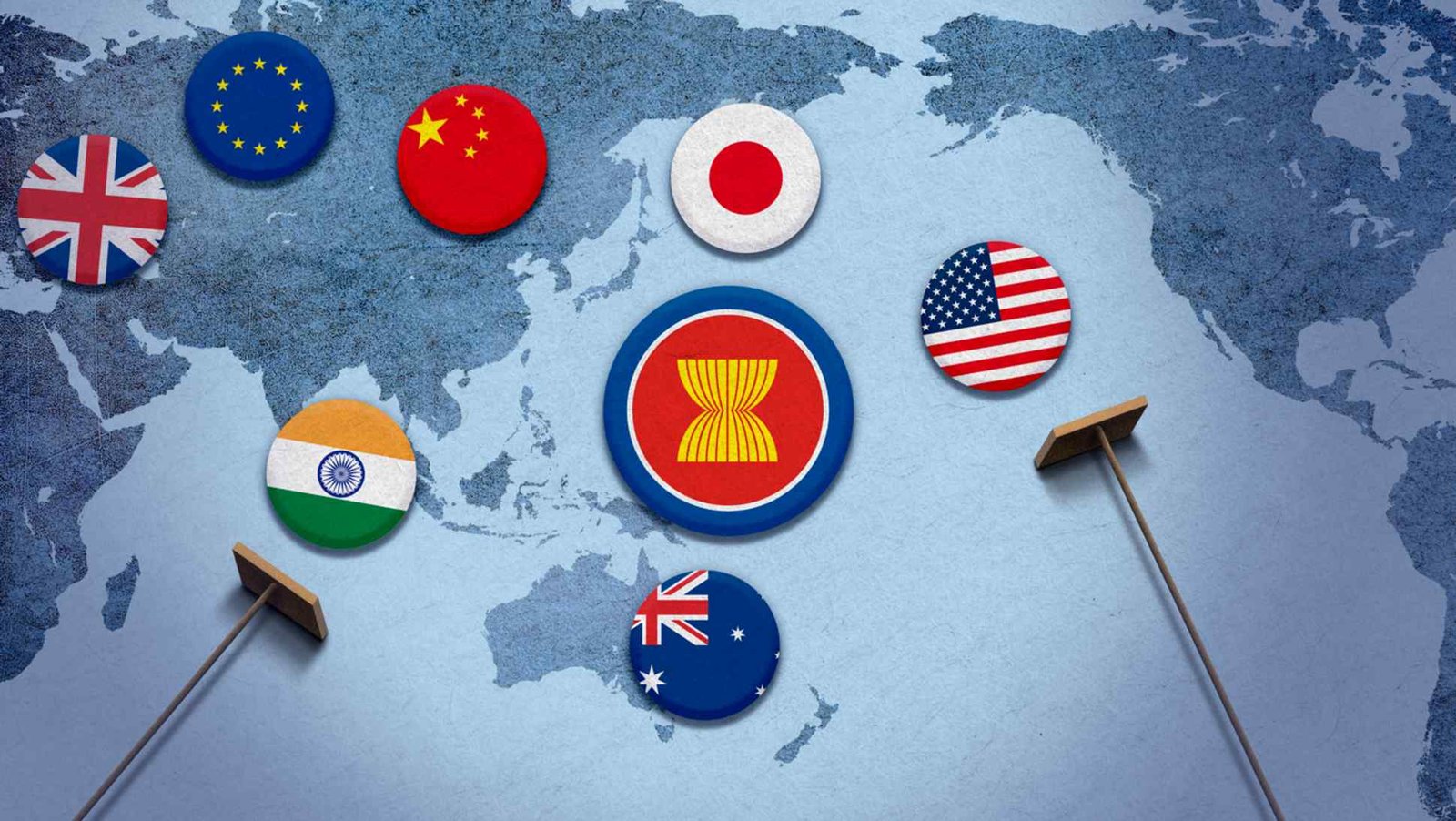
Gone are the days when the world was ruled by a bipolar or unipolar franchise. The postmodern era is characterized by multiple polarities, particularly Asian powerhouses such as China, Japan, India, Thailand, Vietnam, along with other countries such as USA and Australia that have a unique interest in the region that represents more than 40 percent of the world GDP and is home to half of the world population while also constituting seven of the world’s largest militaries. Nations from around the world now recognise the changing strategic landscape and that their own interests can only be advanced by anchoring themselves in the Indo-Pacific region along with other allies and partners. The word “Indo-Pacific” first appeared in the 1920’s when the German geopolitician, Karl Haushofer used the term in multiple works such as the Geopolitics of the Pacific Ocean and Geopolitics of Pan ideas, whereby he underlined the role of anti colonial forces in China and India as supporting Germany against America, Britain and Western Europe domination. In the 21st Century, however, the geopolitical narrative is shaped by People’s Republic of China-PRC’s coercive drive to fuel a sphere of influence in the Indo-Pacific, through transgression of the international law, undermining human rights and threatening of the freedom of navigation of other legitimate countries, along with the possibility of expansion of nuclear missiles by North Korea and the prospect of climate change threatening to deluge the region through melting of glaciers and disproportionate rise in sea levels. The importance of the region was emphasized by former Japanese Prime Minister Shinzo Abe in his 2007 speech to the Indian parliament where he referred to the “confluence of seas as the dynamic coupling of seas and prosperity in broader Asia” while the concept of a “Free and Open Indo-Pacific” was formally mentioned as an aim to be sustained by members of the Quad; USA, Japan, India and Australia by the US Department of State in 2019. The term finds mentions in numerous US strategic documents such as the National Defense Strategy (2018) and the National Security Strategy (2017). With an eye on the complex challenges facing the region, a joint statement was issued by the US President Donald Trump and the Indian Prime Minister Narendra Modi in 2017 as follows, “As responsible stewards in the Indo-Pacific region, President Trump and Prime Minister Modi agreed that a close partnership between the United States and India is central to peace and stability in the region. In marking 70 years of diplomatic relations between India and the United States, the leaders resolved to expand and deepen the strategic partnership between the countries and advance common objectives. Above all, these objectives include combating terrorist threats, promoting stability across the Indo-Pacific region, increasing free and fair trade, and strengthening energy linkages”. Carrying forward the mantle forged by Trump, Joe Biden launched the Indo-Pacific Economic Framework for Prosperity in May 2022, whereby partners including Australia, India, South Korea, Vietnam, Thailand, Brunei, Indonesia and Japan would foster a cooperation with the intended aim to forge a connected economy through AI, privacy, digital economy rules, a resilient economy through better supply chain commitments, a clean economy through de-carbonization, green infrastructure and a fair economy. The Indian Prime Minister Narendra Modi also underlined the importance of the Indo-Pacific when, during his address at the Shangri La dialogue in 2018, when he said that the Indian Armed Forces, especially the Navy, was building partnerships in the Indo-Pacific for peace and security, as well as humanitarian aid and disaster relief: “They train, exercise and conduct goodwill missions across the region. For example, with Singapore, we have the longest uninterrupted naval exercise, which is in its twenty-fifth year now. We will start a new trilateral exercise with Singapore soon and we hope to extend it to other ASEAN countries. We work with partners like Vietnam to build mutual capabilities. India conducts Malabar Exercise with the United States and Japan. A number of regional partners join in India’s Exercise Milan in the Indian Ocean, and participate in RIMPAC in the Pacific”, he said. The close scrutiny received by the Indo-Pacific region is in line with the rise of the Chinese Communist Party-CCP and its ambition of becoming the world leader through the second largest defense expenditure in the world. Countries such as Brunei, Vietnam, Philippines, Taiwan and others have conflicting territorial claims in the South China sea, which does not bode well for the region unless the issues surrounding them are peacefully settled. Numerous military bases and airfields have been created by the CCP in the Parcel and Spratly Islands (despite promises made by Xi Jinping in 2015 to not militarize the region) while it has also tried to wrest control of the Japanese Senkaku Islands. The PRC also revoked its own promise by building an overseas base in Djibouti in 2017. Since formally announcing the “Nine Dashed Line” in 2009, the CCP has not offered any legal basis for its maritime claims. Furthermore, the Arbitral Tribunal constituted under the 1982 Law of the Sea Convention has firmly rejected the CCP’s maritime claims in the South China Sea as violating international law. One way of obstructing CCP’s designated campaign to appropriate the Indo-Pacific region, especially the South and East China Sea by altering the territorial boundaries and undermining the rights of sovereign nations at seas is by engaging in multilateral forums such as the Quad and forging more of such strategic alliances between nations, to deepen interoperability and bolstering the warfighting capabilities of smaller nations which hold a significant strategic place in the region. To accelerate the decarbonisation of the region, more investment needs to be made in clean technology and health infrastructure that can mitigate the onset of deadly epidemics such as the recent Covid-19 virus.

TR
Team Red Lantern AnalyticaAnalyst
arrow_outward
Relevance of Data Privacy in Context of Chinese Cyber Espionage
UNTRADITIONAL SECURITYJANUARY 9, 2023
160

Relevance of Data Privacy in Context of Chinese Cyber Espionage

A stark political fact stared India in the face in 2020; China’s data sharing laws forced Chinese origin companies to share data received by them with Chinese intelligence agencies, confidential details such as tax details, Aadhaar card and PAN number. Egged by the threat to national security (based on numerous reports given by the Indian Cyber Crime Coordination Center), the Ministry of Information Technology banned more than 267 Chinese mobile apps. The move was in line with the foreign investment policy that required Chinese companies to ask permission from India before investing in Indian firms. The threat to national security was not only limited to India’s geographical sphere. A month later, in his last days of Presidency, Donald Trump blatantly described a generalized threat of “Chinese connected software applications that can access personal devices such as smartphones, computers and tablets”, and promptly decided to issue an executive order banning WeChatPay, Alipay and six other Chinese apps. The slew of political measures undertaken by both the US and India came after a long haul of Chinese cyberspace misdemeanors that were targeting critical infrastructure as well as the international reputation of the countries to protect their national security and the privacy of citizens. But the Chinese infringement of privacy continued unabated as in 2021, CyFirma, a Singapore based company revealed that the information technology systems of two of India’s institutes at the forefront of the vaccine drive, Serum Institute of India (SII) and Bharat Biotech were targeted by Chinese state backed hackers. The Chinese hackers might have been trying to steal valuable information in order to reduce the huge difference between the sales of the OxfordAstraZeneca/CovidShield vaccine in favor of the Chinese flagship Sinopharm vaccine. In 2022, RecordedFuture, a cybersecurity firm based in the US also disclosed the fact that India’s power grids in Ladakh were affected by Chinese state sponsored hackers. The same cyber security firm had also alleged that the power outages witnessed by Mumbai in 2020, was the handiwork of a Chinese hacking group, RecEcho which resulted in the breach of the power sector. Similarly, as far as America is concerned, numerous accounts of Chinese espionage have been reported. Through an executive order in 2020, Donald Trump obliged a Chinese company to divest from Stayntouch, a cloud based company managing properties. The move came after information was received that Chinese hackers had stolen data of 500 million guests of Marriott’s Starwood network, including personal data such as passport numbers. Security clearances of more than 21 million Chinese agents were arranged during the 2014 cyber intrusion of the Office of Personnel Management while more than 78 million Americans were affected during the breach of the US health insurance company Anthem in 2015. In 2017, members of the Chinese military were indicted for the 2017 Equifax cyber intrusion when personal information of almost half of Americans was compromised. More recently, in March 2021, the Hafnium hacking group targeted researchers, think tanks, defense contractors and US government officials by breaching the Microsoft Exchange Server and exploiting its email vulnerabilities. The executive order, “Protecting Americans’ Sensitive Data from Foreign Adversaries”, issued by Joe Biden in June 2021 also emphasized the need to reign in the threat from China. The threat to data privacy is no longer limited to Indian and America as has been seen through the countless cases of data breach and infringement throughout the world. In 2017, it was discovered that a backdoor inserted by China at the African Union (AU) headquarters in Addis Ababa resulted in the transfer of data from computers every night for five years and security camera footage from inside the AU headquarters was also stolen by Chinese hackers. In August 2020, secret government files were exposed to being stolen when a report from the Papua New Guinea’s National Cyber Security Centre and the Australian government noted that the National Data Centre built by Huawei in 2018 was blemished by various cyber security implications. Similarly, Netherlands largest mobile network KPN’s backdoor was used by Huawei to access customer data and call records, including conversations made by government officials in 2010. Given the innumerable examples of Chinese efforts to infiltrate data security of various nations, it is a given that the threat to national security and critical infrastructure by Chinese state sponsored hackers is only escalating. In light of this decades long nefarious development, all countries should initiate counterintelligence programs to provide more in depth analysis of defensive briefs undertaken to alleviate the threat while constantly upgrading the data privacy standards and imbibing a more stringent national cybersecurity framework. To monitor and thwart such insidious designs as perpetrated by the CCP, collaboration can also be made with civilians who are rigorously trained to tackle such operations.

TR
Team Red Lantern AnalyticaAnalyst
arrow_outward
A Taliban takeover which benefitted no one
AFGHANISTANJANUARY 8, 2023
161

A Taliban takeover which benefitted no one

The US troops had not even left Afghanistan when the Taliban took control of Kabul. On 16th August, a day after Kabul fell to the Taliban forces, the then Prime Minister of Pakistan Imran Khan claimed that Pakistan had broken the shackles of slavery. A year since that, the jubilation has subdued, as Pakistan is gripped with insurgencies in Khyber Pakhtunkhwa and Balochistan. In its pursuit of strategic depth and the infatuation with having the Taliban govern Afghanistan, Pakistan has pushed the security structure in the Afgan-Pak region to the brink of collapse, threatening not just the continued existence of the state of Afghanistan and Pakistan but also the billions of dollars that China has invested in Pakistan and its ambitions in Afghanistan. At the time of writing, Pakistan is facing dual insurgencies in KP and Balochistan. Tehreek-e-Taliban Pakistan (TTP) has been emboldened by the Taliban’s capture of Kabul and has been a recipient of the Taliban’s hospitality, something which Pakistan expected for itself. In the last year, TTP has conducted more than 350 attacks across Pakistan. In Balochistan, BLA has received renewed support from the TTP, and Pakistan now finds itself fighting a two-front war. Balochistan, regrettably for Pakistan is also a host to China’s biggest investment in the form of CPEC. A mild level insurgency has been going on in the region for over decades. China’s interference via investments has also become a point of conflict between Pakistani authorities and Baloch insurgents. Pakistan had hoped with the Taliban ruling Afghanistan, it’d finally be able to fence the border across the Durand Line. However, that has not been the case. Cross-border firings across the Durand Line have increased incessantly. Moreover, since coming to power Taliban has released maps which show the Greater Pashtunistan region as part of the Afghan territory. China, which had hosted the Taliban leadership after the fall of Kabul, and refused to close down its embassy along with Russia in the Afghan capital, had high hopes of getting its hands on the $1.3 trillion worth of Afghan minerals and securing a route for its ambitious BRI has failed to achieve any of its objectives. In addition, it is growing incessantly aggrieved about the current security situation in Balochistan, KP and Gilgit Baltistan through which the CPEC passes. Incidentally, China has also refused to furnish further loans to Pakistan until the security situation improves in the region. Currently, Chinese loans amount to a quarter of Pakistan’s external debt. Without fresh funds coming to the nation, Pakistan’s economy is in free fall. Its exports have dried up and food imports to the nation have dried up the country’s Forex reserve which is below $5 billion. Pakistan faces an unprecedented climb out of the economic and security situation. Parallels of its economic situation can be drawn with Sri Lanka. The Sri Lankan economic crisis was the worst economic crisis since its independence. China’s share in Sri Lanka’s external debt was around 20% which shows the seriousness of Pakistan’s economic situation which could be on the brink of collapse. There is no doubt that the current economic and security situation in the Afgan-Pak region has been exacerbated by the Taliban’s capture of Kabul. If Pakistan is unable to secure its borders and weed out the insurgencies there is a greater risk of Pakistan breaking up which would be detrimental to the security of South Asia as a whole. Pakistan is a nuclear state and has a population of 220 million. Its neighbours, especially India and China (Xinjiang) face unprecedented mass immigration and the threat of nuclear terrorism. Therefore, Pakistan requires greater attention from the international community. While the Taliban’s resurgence in Afghanistan was welcomed by Pakistan and China alike, they now face unprecedented risk to their future and investments respectively.

TR
Team Red Lantern AnalyticaAnalyst
arrow_outward
South Asia: not one but many
AFGHANISTANJANUARY 6, 2023
162

South Asia: not one but many

South Asia has a long-shared history of ancestry, culture, and colonisation (most of it, not all) and a history of partition, struggle for independence and forming different forms of governments, making them all very different from each other. However, looking at the linkages and earlier being part of one subcontinent, one would expect them to have carried forward that integration, but that has not happened. It remains one of the least integrated regions of the world. Realising this long ago that there was a need to bring the area together for increasing integration and cooperation, the countries formed SAARC (the South Asian Association of Regional Cooperation) in 1985. There was a hope that this organisation might finally bring the long-awaited integration. However, it seemed to be failing with time, mainly because of unresolved territorial disputes between the member states, particularly India and Pakistan. There were no SAARC summits held after the 2014 SAARC Summit in Kathmandu. The upcoming Summit, which was supposed to happen in 2016 in Islamabad, got cancelled due to tensions between India and Pakistan. There is no scope for future SAARC summits until the dispute gets resolved, which has as much chance as the China-Taiwan dispute getting solved. In a recent news release, it was reported that “it takes 138 hours to move a truck across the border from India to Bangladesh, and there are 22 documents required and 55 signatures. So, in many ways, South Asia is not well integrated” (Basu, 2022). What is sad is that this situation exists despite the two countries being in such geographical proximity. With the political regimes changing in the region, one state after another, stability needs to be there for countries to work upon some mutually agreed deals. Free trade should be everyone’s priority as it benefits all. There are disagreements over political culture existing in different countries and on geopolitics, but should these affect the trade relations? With regional integration, the South Asian economy can become one of the largest in the world. A report also noted, “Despite massive connectivity plans and infrastructure development, South Asia remains the least integrated region in the world — just 5 per cent of its total trade takes place within the region. Greater integration and seamless connectivity could see trade increase by an estimated $44 billion, according to Cecile Fruman, Director, Regional Integration and Engagement in the South Asia Region (SAR), World Bank’ (Basu, 2022). “In 2019, India and Pakistan undertook trade-restrictive measures against each other, perhaps the most severe in several decades. After the Pulwama terror attack in Kashmir in February 2019 and cross-border air strikes, India withdrew Pakistan’s Most Favoured Nation (MFN) status and imposed a customs duty hike of 200% on imports. Later, when India revoked the autonomy of Jammu and Kashmir, Pakistan suspended bilateral trade” (Hindu, 2021). It costs both countries in terms of expenses incurred to find alternatives. Similarly, Pakistan blocking India’s deal with Afghanistan to trade or transport goods only hampers the integration process. The region is complicated as it remains stuck in the past, halting projects in the present and putting in jeopardy their future. The ongoing conflicts between the countries have become the greatest obstacle to achieving cooperation. The unresolved conflicts are stretched for political gains, neglecting the greater regional interest and benefit one can take advantage of. On a positive note, it is a good sign that Nepal and India are coming together to discuss pending projects after the relations between the two soured last year. With regime change in Pakistan, there is a hope that the new government might relax some trade restrictions put on India to revive their economy. As Sri Lanka is in its worst economic crisis since independence, India is now taking the lead and coming forward to help it deal with the situation regarding aid and grants. Restoring stability brings hope that the countries could continue their trade on better terms which were affected due to Sri Lanka’s previous deals with China. However, this only shows that states are now preferring to go bilateral over working together as a group, entailing some positive outcomes. However, if the region unites, its economy could overtake many leading economies today. It is hard to say if the region’s prospect is to integrate, but it needs to act on it. The SAARC member states must realise the more significant gain here and try to work on their fault lines. Political skirmishes are coming in the way of trade, which is never a good sign; even China is India’s greatest trading partner despite their ongoing border disputes, only because one cannot risk their economy. Diplomatic solutions must pave the way, and leaders must meet and address the concerns of their respective countries. No other way can bring the region to grow and prosper than engagement. It is a long way, and it will not be easy. It will be interesting to see how this turns out to be. With the Russian invasion of Ukraine, there is already a food shortage; neighboring states could help each other out. These solutions may sound utopian, but it is better to hope than give up.

TR
Team Red Lantern AnalyticaAnalyst
arrow_outward
China’s aggression across the Taiwan strait in 2022
ASIAJANUARY 3, 2023
163

China’s aggression across the Taiwan strait in 2022

What’s in the menu US speaker Nancy Pelosi’s visit to Taiwan in August 2022 saw a record number of Chinese aircraft incursions near to Taiwan, however, this ‘new normal’ aggression didn’t stop at that. For the umpteenth time, December’22 again surprised the observers of the difficult China-Taiwan relations, but this time with the highest ever number of aircraft incursions by China, including warplanes, some of which crossed over the Taiwan strait center line. China’s flimsy justification often quotes the reasons of such a response as a reaction to interference by external agents (read “US”), and the provocation by Taiwan independence forces. The month of August saw heavy incursions that were a response to US speaker Nancy Pelosi’s visit to Taiwan, which China took negatively, for known reasons (one china policy- Taiwan is only another system under overall ‘People’s Republic of China’). The December incursions are by all means a reply to recent US commitments to increase defense and arms assistance to Taiwan. The relations between China-Taiwan are once again in a limbo. THE RECIPE The Taiwan strait in recent couple of years has emerged has one of the most restive regions of our times when seen via lens of great games. It has become a pawn in the US-China rivalry that won’t abate anytime soon. The pro-democracy forces are in power in Taiwan, and China being an authoritarian regime, doesn’t seem to take well how Taiwan aligns with the democracies of the world. China hasn’t however ruled out the possibility of a ‘bloody reunification’ with Taiwan. Taiwan’s forced unification with china, one that will lead it to share a fate similar to Hong Kong, Tibet, Xinjiang is a nightmare that the world fidgets about. While some strategic analysts foresee a reunification happening soon, with or without any alarms, others say that neither China, nor the US can be lame-ducks enough to fight off each other in an era of economic interdependence and ever weaker supply chain resilience. However, the ongoing Russia-Ukraine war bears testimony to the fact that idiosyncratic factors and waves of populism, in the guise of nationalism can precipitate into worst nightmares of the global community. It’s not unknown that China’s zero covid strategy and its crumbling economy may lead to making of a restive Chinese populace that may stand against the Xi regime. Where can it then take recourse in such a situation? Answer is simple and predictable in the realm of international relations- trigger issues, create enemy states, and invoke nationalism by rabble rousing. A similar move is in play even in The United states. The bait is Taiwan this time. It’s a tough spot for Taiwan that its largest trade partner is also its greatest enemy. But enemy’s enemy is a friend (in line with Kautilyan wisdom), and that drags in US to the scene. Kurt Campbell, US based indo pacific strategist advised that US intensify its trade relations with Taiwan to deepen the strategic relationship. US hence also wants Taiwan to initiate decoupling its economy with China. Such a directive however can trigger a direct clash in the strait with the two important powers in a direct face off. The whole logic of deterrence may take a backseat, however to say if it for sure will, will be an over statement. United states is the most important global power that has the back of Taiwan in case of aggression by china. Its ‘Taiwan policy act’of 2022 is a direct commitment by US in providing weaponry and technical assistance to Taiwan to build a credible defense capability. US has pursued the policy of strategic ambiguity vis-à-vis Taiwan wherein it affirms to one china policy, while refuting any attempts by china to coercively incorporate Taiwan into itself. However, The US has shown more certitude and less ambiguity on the Taiwan issue ever since Biden has assumed power. This means an even hotter pacific (not even counting in climate change here). The US finds itself embroiled in Taiwan for a couple of reasons- A china free Indo-pacific. Critical components like electronic chips’ manufacturing being concentrated in Taiwan. To prevent choking of critical supply lines in an era global interdependence. SALT TO TASTE PLEASE Retired General Lee of Taiwan believes that china is only short of sufficient firepower before it can wage a war for Sinicizing Taiwan. What then are the current developments in Taiwan to handle an improbable yet possible militarily forced unification? Taiwan has changed its conscription policy to make its military voluntary. This has been a positive step as it’ll aid in infusing expertise and competence to its military which otherwise engaged in a “half-hearted, good for nothing and short periods of training. However yet again the Tsai government has decided to extend compulsory military service to one year from four months from 2024 citing insufficient preparedness. Moreover, it has increased its defense budget, while drawing further from technical expertise and arms sale of its most trusted ally- US. However, many scholars point to the possible heavy reliance on US that can make Taiwan to bandwagon after US thus creating a hierarchy of power. There are 3 options that small states usually have -Bandwagoning, balancing and hedging. Taiwan can’t afford to bandwagon entirely after China, or balance against it out rightly, considering its reliance on China economically and a possible blockade that it may be subjected to. Strategic hedging thus seems a better option. Through this Taiwan can pursue the dual poles of balancing and bandwagoning, with inclination towards any one as the context demands. Currently, the inclination is in favor of balancing against China, by forging its ties with the democratic regimes. Whatsoever, the wargames by China in and around the strait have become sharper in its character, with such incursions having become a normal daily news for the Taiwanese. China’s greyzone activities pose conundrum to the analysts who find it difficult to judge if China is crossing or will cross the fine line between its war of attrition on one hand

TR
Team Red Lantern AnalyticaAnalyst
arrow_outward
Statement on Revisiting CCP’s Footsteps in 2022 and Predictions on its Future Discourse
UNTRADITIONAL SECURITYDECEMBER 30, 2022
164

Statement on Revisiting CCP’s Footsteps in 2022 and Predictions on its Future Discourse

With India holding the G20 presidency, 2023 is set to become an important year where Geopolitics and Geo-economics will intertwine with diplomacy. However the most crucial focus ought to be given to Chinese Communist Party’s (CCP) China – with its Covid-19 tragedy and a weakened President Xi Jinping. After almost 3 years Covid-19 still manages to haunt the communist nation and the total blame goes to CCP’s careless policies ranging from its unscientific Zero Covid Policy, which prevented the Chinese citizens from building natural immunity, to its stringent lockdowns which led to violent nationwide protests, on a scale not seen since the Cultural Revolution. Although CCP has been successfully concealing data over the number of deaths from Covid-19, researchers believe millions could die due to the virus in coming months. A ripple over effect of this hit the economic affairs with the Chinese economy spiralling downwards with an unprecedented velocity. The collapse of the real estate sector further fuelled a slow recovery. At a time like this China also managed to indulge in a trade war with the US and most Western Nations are now attempting to decouple their economy from that of China’s. So, China is in a state of total chaos and if that wasn’t enough the CCP also tried to unilaterally change the status quo at the Indo-China border claiming parts of India and Tibet as its own. This all boils down to the fact that Xi’s position has weakened badly. Although there were always reports about inter-party conflicts but it has now become a question of paramount importance whether Xi Jinping will be able to tighten his grip over all these domestic and international problems, some of which came naturally to him and some of which he invited to himself. Another piercing question is Chinese invasion of Taiwan. It is clear that crippled with numerous problems at home, the CCP cannot afford another crisis let alone a war. Therefore, it is best for Xi Jinping to act carefully and save his dying population, thaw relations with global leaders and stop obsessing over the dreams of a Chinese reunification and ultimately becoming a world hegemon.

TR
Team Red Lantern AnalyticaAnalyst
arrow_outward
RLA Statement on Japan’s Security Draft Declaring Taiwan’s Peace, Stability Vital for Global Community
MEDIA COVERAGEDECEMBER 12, 2022
165

RLA Statement on Japan’s Security Draft Declaring Taiwan’s Peace, Stability Vital for Global Community

The highlight of 2022’s international relations would definitely be the Russia – Ukraine conflict and its mirror effect on China – Taiwan relations, giving effect to the Fourth Taiwan Straight Crisis. Although the immediate cause for it is attributed to be the US House of Representatives Speaker Nancy Pelosi’s visit to the island nation in August 2022 but the underlying causes emanate from China – Taiwan’s deep rooted history. ‘Reunification of Taiwan’ has become Chinese President Xi Jinping’s topmost national priority in the recently concluded 20th National Congress of the Chinese Communist Party (CCP). However what he didn’t expect was for the world to support Taiwan and condemn CCP’s act of forcefully invading Taiwan. On similar lines, Japan has recently included the importance of military peace and stability across the Taiwan Strait as a key feature of its draft National Security Strategy, to be approved this month. The fear of a Chinese invasion instils insecurity in the Japanese people as the environment surrounding Japan has been the “harshest and the most complicated in the post-war years.” This National Security Strategy, which is the basic plan of action for Japan’s foreign and security policies, states that Taiwan is an “extremely important partner and friend with whom our country shares fundamental values” and that Japan will “continue its efforts to deal with them based on the position that the related issues should be resolved peacefully.” Japan – Taiwan ties have been stronger than ever and the latest example of it is Taiwanese President Tsai-Ing Wen pledging to deepen security cooperation with Japan to ensure freedom in the Indo Pacific, during a meeting with a senior member of Japan’s ruling Liberal Democratic Party (LDP) on December 10, 2022. A belligerent China, in August 2022, not just hit strikes at Taiwan’s Air Defense Identification Zone, but also fired missiles into Japan’s territorial waters which clearly reflects the CCP’s intent of enlarging the area of domination of the Indo Pacific region and not just Taiwan. But the world is slowly rising up against CCP’S ambitions of global pre-eminence, authoritarian influence and coercion. Democracies of the world should follow Japan’s example and update their security provisions so as to accommodate safety of Taiwan’s sovereignty and integrity. The US Taiwan Policy Act, 2022 is a step in the right direction.

TR
Team Red Lantern AnalyticaAnalyst
arrow_outward
Press Release – Webinar on Indo-Greek-Armenian Strategic Cooperation to Tackle Caliphate Designs
MEDIA COVERAGEDECEMBER 12, 2022
166

Press Release – Webinar on Indo-Greek-Armenian Strategic Cooperation to Tackle Caliphate Designs

On December 10, 2022, Red Lantern Analytica along The Research Institute for European and American Studies (RIEAS), Network State, and Pericles Institute conducted a webinar titled “Indo-Greek-Armenian Strategic Cooperation to Tackle Caliphate Designs”. The webinar’s expert speakers were – Leonidas Chrysanthopoulos, Ambassador Ad Honarem & First Greek Ambassador to Armenia; Prof. John M Nomikos – Director, Research Institute For European & American Studies; Vahram Ayvazyan – Founder & Board Chairman of Network State, Dr. Swasti Rao – Associate Fellow Europe & Eurasia Center of MP-IDSA, Abhijit Iyer Mitra – Senior Fellow at the Institute of Peace & Conflict Studies, Michael Nersisyan – British Armenian Journalist Based in the UK and Ms. Uzay Bulut – Journalist & Political Analyst. Dr. J. Jeganaathan, Assistant Professor, Department of National Security Studies, Central University of Jammu, began the session. He said, “The Caliphate design is coming in a new form which we call Digital Caliphate, to perpetuate their idea of establishing a caliphate. In India, a large number of Youth in Southern states are attracted to the new design of the Caliphate.” He reminded the extradition treaty with Armenia, an extension of the global fight against terrorism. Paul Antonopoulos, Editor of Greek City Times, moderated the rest of the session. He elaborated on the title and observed, “We enter a dangerous period where the global system is changing with the emergence of several great powers rather than the previous uni-polar & bi-polar world. The new arrangement emboldened countries like Turkey, Azerbaijan, and Pakistan to challenge the current system and promote their interest and agenda, which reflects the new Caliphate.” It is essential to understand the problem in order to address it. Leonidas Chrysanthopoulos explained the Caliphate, what it means, and its goals. He said, “Caliphate also means that many countries desire to recreate the power & glory of Islam and to expand Islam and Sharia law worldwide.” In order to better counter Caliphate designs, he suggested how Greek had taken the initiative to create a common forum for ancient civilizations. Similarly, Armenia, Greece, and India have one thing in common, i.e. each one of them being ancient civilizations and were in contact with each other. In order to tackle caliphate designs and anti-ancient civilization politics and policies, we need to institutionalize networking between the three of us, said Vahram Ayvazyan. He added, “To tackle the Turkey, Pakistan and Azerbaijan axis and bad marriage against ancient civilizations like India, Greece, and Armenia, we need to institutionalize networking between the three countries and people on three levels – Government, Public Diplomacy and Diaspora cooperation. Information sharing & active dialogue will help us be proactive instead of reactive. Abhijit Iyer Mitra started his intervention on what unites Pakistan, Turkey, and Azerbaijan. He observed that Pakistan, Turkey, and Azerbaijan use religion as a binder for all their internal issues. He also elaborated on how Pakistan keeps changing its ethnicity according to convenience. The country is a classic case of fluid identity, with one terrorist group for every denomination. Abhijit said that Turkey had adopted a sub-state model of terrorism using terrorism to interfere in Syria and many other places. Shias in Azerbaijan are adopting much Sunni terrorism. Sunni terrorists have flown from Turkey and Syria to the region to fight against Armenians. Prof. John M Nomikos proposed that India become an observer of the East Mediterranean Forum. He said, “India is a country that can offer much security to Mediterranean countries. India, Cyprus & Greece’s Navy should be more active. The collaboration between these three countries is a necessity. He also suggested utilizing the power of the Armenian and Greek diaspora more constructively and efficiently”. Michael Nersisyan began highlighting the Russia-Ukraine war and emphasized that new ones are emerging, for example, the Azerbaijan and Israel alliance aimed at Iran. On the other hand, Israel has complex relations with Turkey. Azerbaijan has channelized all its energy and resources against Armenia. He strongly advised that Greece, Armenia, and India must take each other’s conflicts & problems seriously as they matter in the grand scheme. There is a lack of information asymmetry at all levels among India, Armenia, and Greece, which creates difficulty in strengthening the alliance, observed Dr. Swasti Rao at the onset of her lecture. Moving ahead, she highlighted how India is supporting Armenia by selling Made in India weapons. She also elaborated on the commonalities between India and Greece’s military industry in light of the close relations of both the nations between Israel and France for their defense equipment. The last speaker, Ms. Uzay Bulut, elaborated on the ‘Ethnic Cleansing and Violent Islamisation – The Case of Cyprus.’ In 1974, Turkey invaded the republic of Cyprus twice; what followed was the ethnic cleansing of Christianity through forcible displacement. Turkey displaced ethnic Greeks from the invaded region through rape, murders, forced disappearances, and other atrocities. Turkey has occupied 36% of the sovereign territory of Cyprus and 57% of the coastline of Cyprus since 1974. Cyprus is facing an existential threat from Turkey. Azerbaijan committed the same atrocities against Armenians. They desire to revive the so-called Turkish rule from the Far East to China and pursue their Jihadist goal. She concluded by saying that Cyprus should be part of the alliance between India, Armenia and Greece, and all the countries facing threats from the Jihadist countries. A decision to form a board of civilizations was taken during the webinar, which will concentrate on forging closer ties of India, Greece and Armenia by finding and publicising about the historical ties between these ancient civilizations. Following the guest speaker’s address, there was an in-depth Q&A session. Mr. Siddhartha, a Senior Researcher at Red Lantern Analytica, delivered the vote of thanks, after which the session was brought to a close.

TR
Team Red Lantern AnalyticaAnalyst
arrow_outward
UNTRADITIONAL SECURITYDECEMBER 11, 2022
167

Strengthening QUADrelateral Security Dialogue “QUAD” cooperation in the field of information security

The Asia-Pacific region is a gigantic region, where the total population today exceeds 3 billion people, which is about 60% of the world’s population. In the Asia-Pacific region today there is a certain zone of contact between the main geostrategic interests of the most important states of the world. The Asia-Pacific region is an important area of the maritime strategic partnership between the United States and its allies within the framework of the American concept of the “Free and Open Indo-Pacific”. The architecture of the Indo-Pacific strategy includes, along with the United States, three more states that play an important role in the Pacific and Indian Oceans: Japan, India, and Australia. Based on the QUAD mechanism, which is a key component of the strategy, these four countries are trying to build a comprehensive structure of cooperation in two oceans, which includes politics, security, economics, science, technology and infrastructure. The strengthening of the position of this treaty has a devastating effect on the existing multilateral mechanisms in the region. In addition, by virtue of American new initiatives, Japan, India, and Australia are getting dominant mechanisms in the regions of the Pacific and Indian Oceans. This article outlines the concept of a new QUAD initiatives – Indo-Pacific Partnership for Maritime Domain Awareness (IPMDA), QUAD Cybersecurity Partnership and seeks to answer questions – which of the QUAD members is most interested in the initiatives? What are the nuances of the positions of the participating countries? What are the implementation difficulties? The decision to create a common system for monitoring the earth’s surface based on the results of satellite reconnaissance was an unexpected addition, announced after the Tokyo Summit of QUAD member countries in May 2022. Experts[1] believe that the main feature of the new idea is the closer interaction of QUAD working groups in order to create a system for collecting and transmitting information obtained using technical means by conducting electronic (SIGINT) and geospatial (GEOINT) intelligence. The advantage of the system is that ships can be detected from satellites almost in real time even with transponders turned off (AIS system), which will help fight against the “shadow fleet”. ” Because of its commercial origin, this data will be unclassified, allowing the QUAD to provide it to a wide range of partners who wish to benefit.”, the statement explains[2]. The developers of the QUAD information exchange system place special emphasis on its low cost and sufficiently high efficiency, which is especially important in the context of the global economic crisis and rising inflation in various countries of the world. At the same time, it is assumed that SIGINT will continue to specialize in collecting classified information, primarily related to military preparations and the transfer of PRC forces, which is especially important for India and Japan. GEOINT in addition to this will take over the tracking of non-traditional threats and challenges associated, for example, with climate change, illegal fishing, mass migration, humanitarian and man-made disasters. As part of the IPMDA[3], countries in the Indo-Pacific region intend to exchange technologies that allow them to control their maritime borders and international sea routes using low-orbit satellites that identify ships by radio traffic and automated tracking systems. According to analysts, the new information exchange system through the QUAD Satellite Data Portal[4] (QSDP) created by the QUAD Space Working Group will be able to cover the entire volume of electronic and satellite intelligence information received both by the QUAD participants themselves and their partners. The communication function of the QSDP is expected to be similar to the low Earth orbit communications satellites system – ORBCOMM. Thus, the unified information satellite system will be able to capture the user’s signal and transmit it to another satellite or to a control center that is part of local communication networks. States with vast maritime economic zones extending 200 nautical miles (370 km) from the coast often do not have the resources to effectively monitor thousands of square miles of coastal waters[5]. The IPMDA will establish near real-time regional water control centers throughout the Indo-Pacific region. The system will be based on existing monitoring centers in India, Singapore, the Solomon Islands and Vanuatu. This initiative was reinforced by the announcement of an agreement on humanitarian assistance and disaster relief in the region (QUAD Partnership on Humanitarian Assistance and Disaster Relief in the Indo-Pacific – HADR). Continuous surveillance will also allow monitoring of flight activities in the Woody and Spratly Island groups, construction activities in Fiery Cross, Mischief, and Subi reefs, as well as increasing the possibility of further deployment of A2/AD weapons. It seems that the implementation of this initiative is not only humanitarian, but also strategic in nature and will be used in the interests of the US naval forces in the region[6]. Linking the American Joint All Domain Command and Control (JADC2) with India’s C4ISR capabilities (Integrated Air Command and Control System -IACCS and Indian Navy’s Information Management and Analysis Centre – IMAC) will facilitate secure data transmission and provide QUAD countries with a common operational picture. Connecting the two networks will also allow QUAD to create a composite picture of air and surface activity and facilitate the exchange of huge SIGINT and IMINT information. In the future, the Unified Maritime Domain Awareness System will be able to work in parallel with such civilian structures that collect commercial data, such as, for example, the Swiss company Kleos radio frequency sensing system available on the satellite information market. At present, it allows governments and competent authorities of various countries to effectively counter the smuggling of weapons and drugs. It is also worth paying attention to the satellite regional time transfer system and a satellite-based augmentation system developed by the Japanese government to enhance the United States-operated Global Positioning System (GPS) in the Asia-Oceania regions – Quasi-Zenith Satellite System (QZSS). In addition, one of the steps for the information systems integration is the use of mobile systems to create interoperability of equipment from different manufacturers and software Open RAN (Radio Access Network for

TR
Team Red Lantern AnalyticaAnalyst
arrow_outward
Expressing Support to the Tibetan Nation and Cause by Red Lantern Analytica
MEDIA COVERAGENOVEMBER 8, 2022
168

Expressing Support to the Tibetan Nation and Cause by Red Lantern Analytica

Date: 08/11/2022 The Team of Red Lantern Analytica (RLA) had a meeting with Deputy Speaker Ms. Dolma Tsering Teykhang of the Tibetan Parliament-in-Exile in Delhi. She has served as the President of the 9th and 10th Utsang Central Executive Committee and is currently an advisor to the committee. Ms. Teykhang was previously elected to the 13th, 14th, 15th, and 16th Tibetan Parliament-in-Exile from Utsang province and has been a member of the Standing Committee and many other parliamentary committees numerous times. RLA team members Abhishek Ranjan, Shubham Singh and Urmila Shakh met with Ms. Teykhang and expressed RLA’s support and solidarity to the Tibetan cause. Red Lantern Analytica discussed with Ms. Dolma, about functionality of Tibetan Parliament in Exile, to strengthen the support for Tibet and 8th World Parliamentarians’ Convention on Tibet. RLA wholeheartedly expressed its support to His Holiness the Dalai Lama, the spiritual leader of Tibet, and the Central Tibetan Administration (CTA), which works tirelessly to resolve the Tibet question, and to maintain Tibetan culture and its distinctive Buddhist traditions. RLA recognises the Tibetan cause, to be a righteous one, and demands the resettlement of the exiled Tibetan refugee community in a Free Tibet. RLA also condemns the illegal occupation of Tibet by Chinese Communist Party forces enabled by the PLA. Frequently, Tibetans are imprisoned following dubious trials, and so called Chinese authorities do not disclose why or where they have been detained. Frequently, family members are unaware that their loved ones have been incarcerated, and those who discover this information are not authorised to visit the jail. Tibetans are subjected to torture and abuse as the degrading of Tibetan political detainees continues in Chinese-occupied Tibet. Isolated from the rest of the world, time and again it has been proven that Tibetan people regularly face torture and execution by the PLA. We urge the CCP government of China to fully respect and execute the obligations of the United Nations Convention against Torture. The CCP’s obstruction of Tibet’s monastic system, which has historically acted as an educational institution for Buddhist teachings in Tibetan culture and language, is condemnable. Previously, various Tibetan monasteries had a role in organising schools for common Tibetans to learn the Tibetan script. The current CCP crackdown on monasteries and limitations on the mobility of Tibet’s religious practitioners have made it difficult for the general Tibetan to learn the Tibetan language and culture. RLA urges the free world to remain vocal for the Tibetan cause and look forward to working in solidarity with organisations such as the Central Tibetan Administration (CTA), in any possible capacity to extend the possibility of a free and sovereign Tibet in the future.

TR
Team Red Lantern AnalyticaAnalyst
arrow_outward